How To Make Your Cactus Bloom

Cacti are a favorite of many indoor plant enthusiasts. They come in various shapes, tall stems, one-of-a-kind foliage, and distinctive spikes, making them unique and alluring. But out of everything, the most alluring aspect of cacti is their dazzling blooms.
However, as much as we love cacti flowers, they are challenging to bloom. If you are eager to learn how to make your cactus bloom, this blog is the perfect guide.
1. Proper Lighting
Cacti are plants that grow in the desert with plenty of sunlight. Therefore, proper lighting is crucial for cacti to bloom because it mimics their natural desert habitat. Light provides energy through photosynthesis, which the plants utilize for various functions such as blooming flowers and healthy growth.
Without sufficient light, the cactus may not have the resources to produce blooms. Some varieties need ample bright, indirect sunlight, while others need a little shade.
How To Maintain Proper Lighting
To ensure your cactus gets proper lighting, place it near a south or west-facing window where it can receive several hours of sunlight daily.
If natural light is insufficient, supplement with a grow light designed for cacti. Rotate the cactus regularly to ensure even light distribution and prevent etiolation.
2. Water
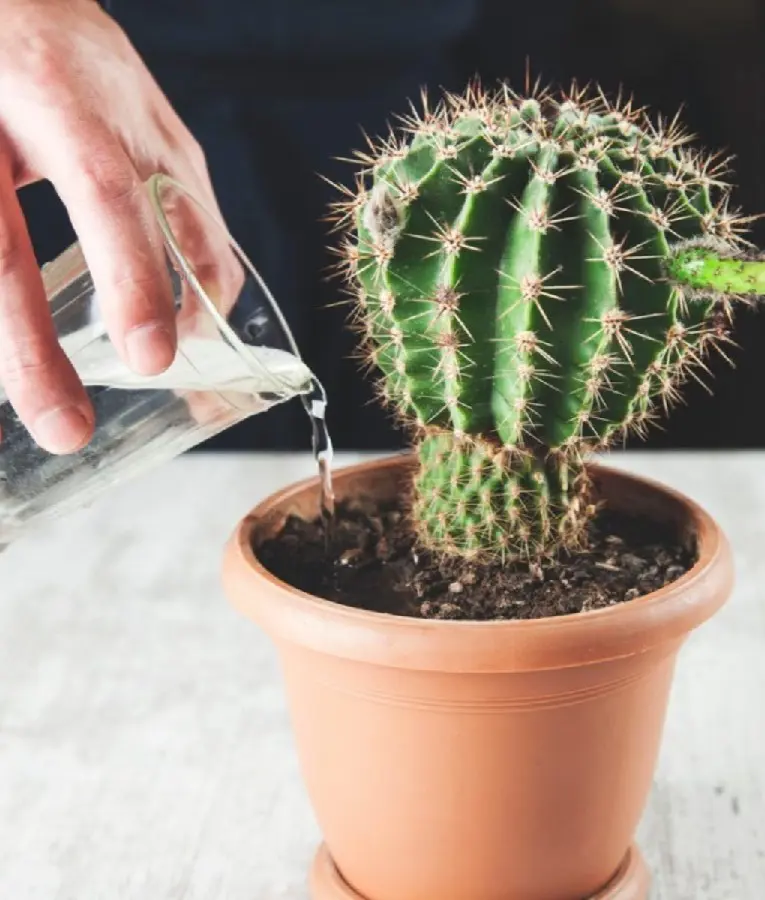
Like sunlight, water is crucial for cacti to bloom. Many of us make the mistake of underwatering these plants, thinking they do not need it. They can indeed survive with much less water than regular plants because they store water in their fleshy stems and spines.
This mechanism allows them to survive drought periods. However, this does not mean they can survive without water. Underwatering can still damage the plant. But not as much as overwatering, which can be fatal for cacti.
How To Water Cacti
To ensure proper watering, water deeply but infrequently, allowing the soil to dry completely between waterings. Use well-draining soil to prevent waterlogging, and adjust the watering schedule based on the season, with less water during dormancy and more during the growing season.
Consistent, appropriate watering supports overall plant health and encourages blooming.
3. Correct Temperature
Since cacti originate from the desert, they need warm temperatures to survive. Most cacti will flower during the warm season, where temperature can range from 70s to 90s Fahrenheit. Because the temperatures drop significantly at night time in the deserts, replicating these conditions might help with blooming.
Temperatures 10 to 20 degrees Fahrenheit cooler than daytime temperatures could help the cacti. However, these plants cannot withstand excessively hot or freezing temperatures. The plant will be damaged when it is too hot or cold.
How to Maintain Temperature
One of the ways is to use direct sunlight. Sunlight regulates the temperature needed for cactus flower bloom. If you live in a warm climate with nights that are slightly cold, you can move your cactus outdoors during summer. This method will provide it with natural temperature fluctuations.
Avoid placing your cactus directly next to heating vents or air conditioning units, as the constant blasts of hot or cold air can disrupt flowering. During winter, you may also need to adjust the thermostat slightly to create a more suitable environment for blooming.
4. Well Draining Soil
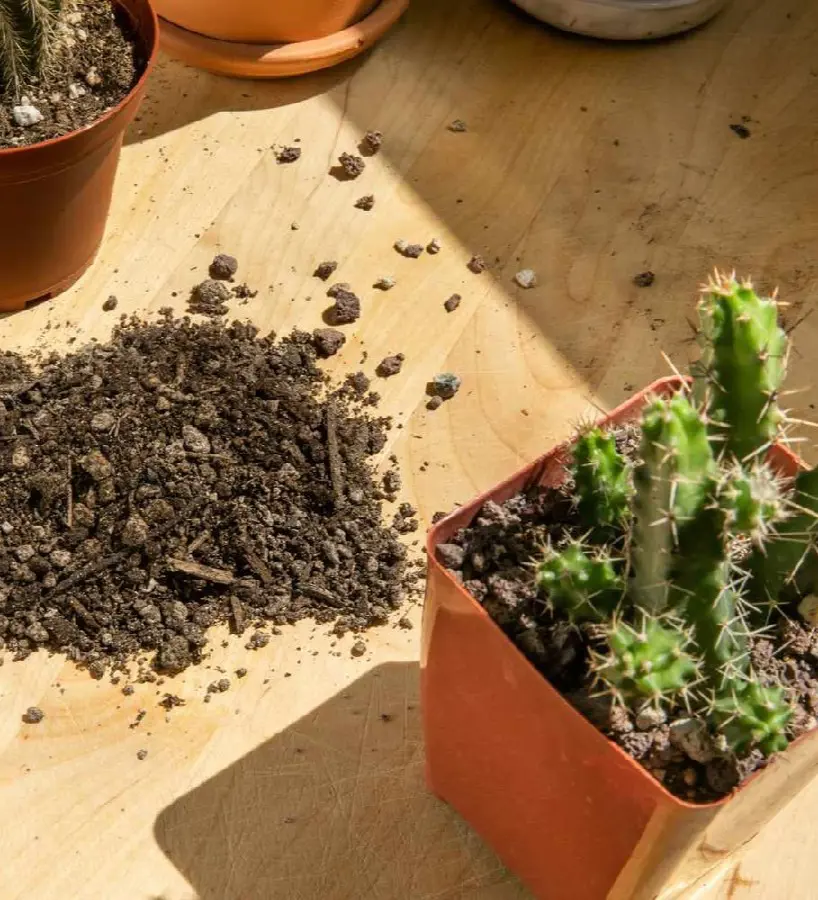
An ideal soil condition for cacti is excellent drainage. Optimal drainage prevents root rot and promotes healthy root growth.
This soil type prevents water from accumulating around the roots, which can cause fungal infections and inhibit blooming.
How To Maintain Well Draining Soil
Use inorganic components like perlite, pumice, or crushed volcanic rock. These materials allow water to drain quickly and prevent the roots from sitting in water. A small amount of organic material like cactus potting mix or coco coir can also be beneficial.
Aim for a 2:1 ratio of inorganic material to organic material. The soil should be neutral to slightly acidic, with around 5.5 to 6.5 pH levels. Repot your cactus every 2 to 3 years to refresh the soil, as organic material in the soil can break down and reduce drainage.
5. Fertilizing
Although cacti are low maintenance and do not require fertilizers, they benefit from occasional feeding. Fertilizing can help ensure your cactus has the resources it needs for overall well-being, potentially leading to more flowers.
Cacti have specific fertilizing needs due to their desert origins. Use cactus-specific fertilizers. Always dilute the fertilizer according to the product instructions. Here is how you should fertilize your cacti and how to achieve them:
How To Fertilize Cacti
Cacti do not require a lot of nitrogen for growth. High-nitrogen fertilizers can promote leggy growth and hinder flowering. They need balanced phosphorus and potassium. Phosphorus aids in root development and flower production, while potassium is important for plant health and stress tolerance.
A fertilizer with a higher ratio of phosphorus and potassium compared to nitrogen is ideal, such as 1-6-6 or 2-7-7. Cacti are not heavy feeders. They typically only need fertilizer once or twice a year during their active growing season.
6. Proper Pot Size
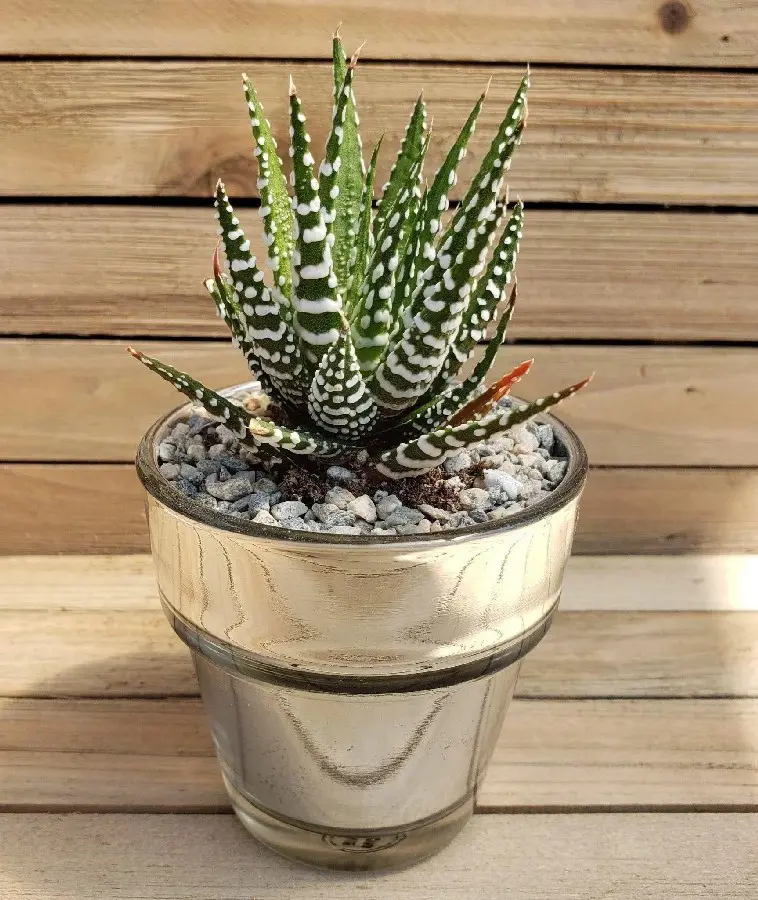
The pot you use to grow your cacti also affects its blooming. A pot that is too small can cramp the roots and hinder growth. This will affect the plant's ability to flower. Meanwhile, a pot that is too large will hold too much water, which leads to root rot.
A pot with good drainage and appropriate size prevents root issues and promotes healthy root function. A healthy root system can indirectly support flower production.
Choosing The Right Pot
Clay pots with drainage holes are ideal for cacti as they allow proper air circulation and water drainage. Plastic pots can also be used, but they have poorer drainage.
Choose a pot 1-2 inches (2.5-5 cm) wider in diameter than the cactus's root ball. This provides enough space for future root growth without being excessively large.
7. Repotting
Repotting does not directly impact cactus blooming, but it can help maintain ideal conditions for flowering. Over time, cactus soil can break down, become compacted, or accumulate salts.
This soil degradation affects aeration and drainage. Repotting helps maintain ideal aeration and drainage conditions. You should only repot during spring or summer when the cactus is growing actively to prevent damage.
Repotting Process
- Choose a pot slightly larger than the current pot with drainage holes.
- A few days before repotting, thoroughly water the cactus so the soil is moist but not soggy.
- Wear gloves and gently loosen the cactus from its pot. Tap the sides of the pot or use a butter knife to loosen the soil around the edges.
- Check for any signs of rot or damage. Remove rotten roots with clean, sharp shears.
- Add a thin layer of fresh cactus mix to the new pot.
- Center the cactus in the new pot at the same depth as the old pot.
- Gently fill the pot with fresh cactus mix. Do not pack the soil too tightly.
- After repotting, avoid watering for a week or so. This allows any potential root damage to heal.
8. Seasonal Change
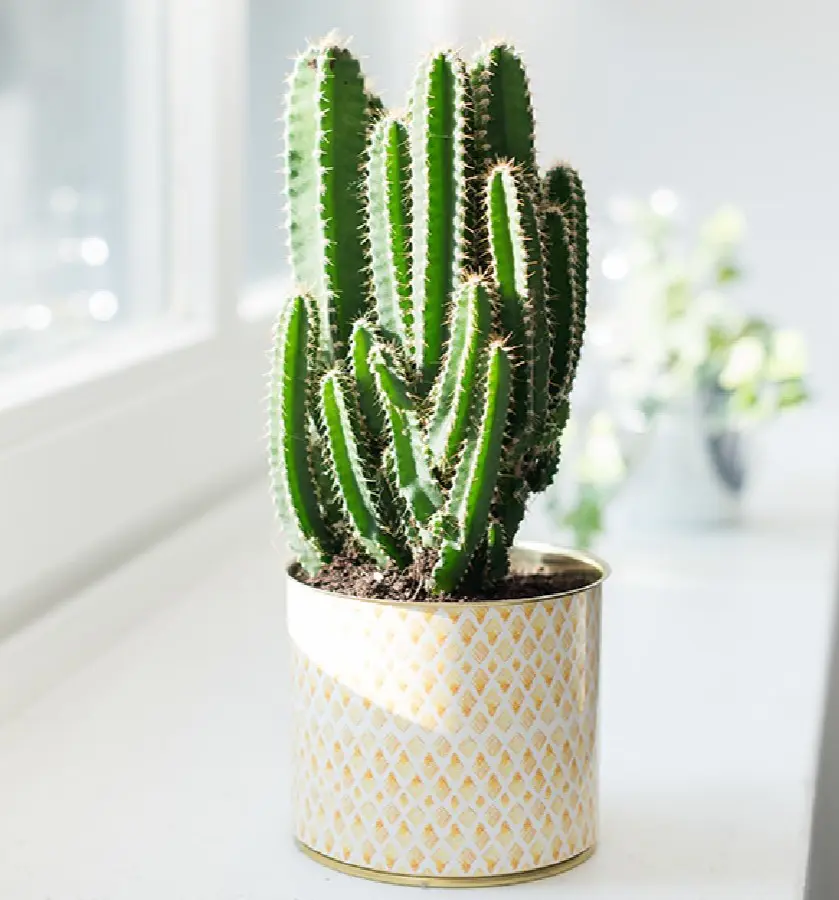
If you want to learn how to make cactus bloom, you should know how to replicate the natural seasonal changes your cactus experiences in the desert. This involves manipulating light, temperature, and watering.
Dealing With Seasonal Change
Short day cacti need long periods of darkness to bloom. Provide the plants at least 10-12 hours of uninterrupted darkness each night during fall and winter. You can use blackout curtains for this. During the day, they need bright, indirect sunlight for several hours.
Long-day cacti need more daylight during their active growing season (usually spring and summer). Provide at least 12-14 hours of bright, indirect sunlight daily. As fall approaches, gradually reduce the daylight hours by a few hours a week.
9. Humidity Levels
Cacti come from the desert when humidity is low. These plants store water and minimize moisture loss through thick stems and waxy coatings to deal with low humidity.
Therefore, high humidity can affect cacti. High humidity can create ideal conditions for fungal diseases to thrive. It can also cause root rot, which prevents flowering.
Maintaining Low Humidity Levels
There are a few things you can do to maintain low humidity. Keep your cactus away from humidifiers or areas with high humidity, like bathrooms or laundry rooms.
Ensure good air circulation around your cactus by opening windows or using a fan to create airflow. The ideal humidity level for cacti falls between 10% and 30%. You use a hygrometer to get a reading if you are worried about the humidity levels.
10. Air Circulation
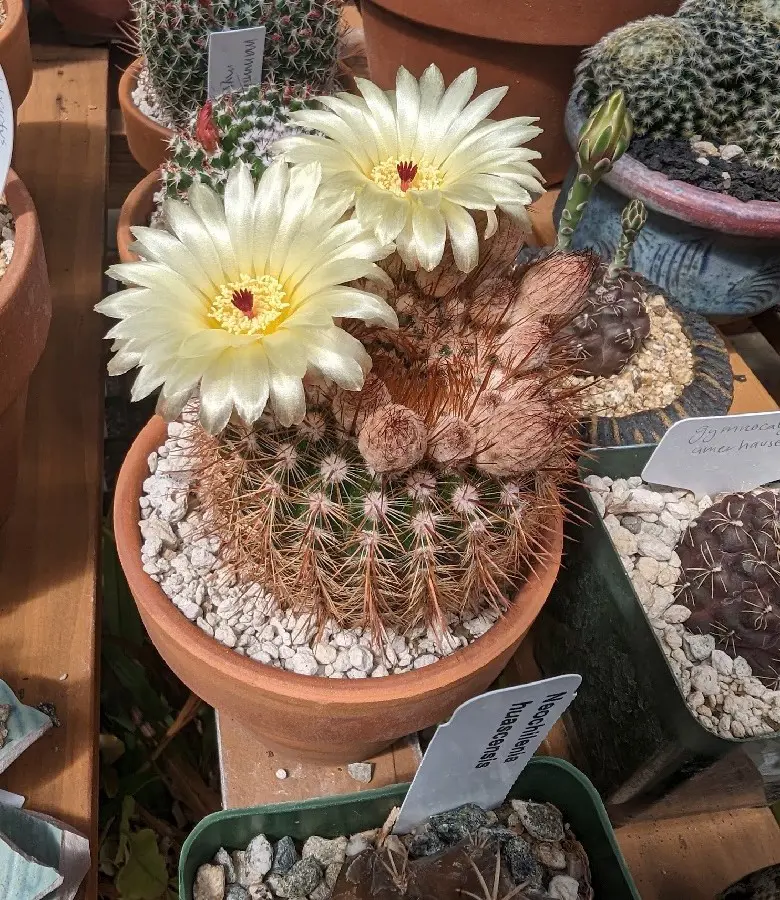
Air circulation supports cactus flowering by removing excess carbon dioxide from respiration and providing fresh carbon dioxide for photosynthesis, which is essential for flower development.
Good airflow also prevents excessive humidity buildup, creating a healthier environment for flower production. Additionally, gentle air movement can help strengthen the cactus stem by causing it to sway slightly, which is beneficial for cacti that produce larger or heavier flowers.
Maintaining Proper Airflow
- Place your cactus near a window where it can receive gentle breezes. Avoid placing it directly in a strong draft, which can stress the plant.
- Use a small fan on a low setting to circulate air around your cactus, especially if it is in a poorly ventilated area.
- Do not blow the fan directly on the cactus. If you have multiple cacti, avoid crowding them together.
- Allow some space between pots for better air circulation around each plant.
11. Day/Night Temperature Differences
Temperature differences between day and night can stimulate flowering in certain cacti. Many cacti come from deserts where temperatures fluctuate significantly between day and night. These changes signal the cactus that the season is changing, prompting it to flower.
Cooler night temperatures can indicate the approach of winter for fall/winter bloomers or the arrival of spring for spring/summer bloomers, triggering the development of flower buds.
Creating Temperature Fluctuations
Place your cactus near a south-facing window for daytime sunlight. The temperature near these windows also drops naturally at night. If possible, slightly lower the thermostat at night. Aim for a 10-20°F difference.
Keep the temperature at the ideal range for your specific cactus species. Do not subject your cactus to drastic temperature swings. Gradually adjust the temperature throughout the day and night to minimize stress.
12. Pests
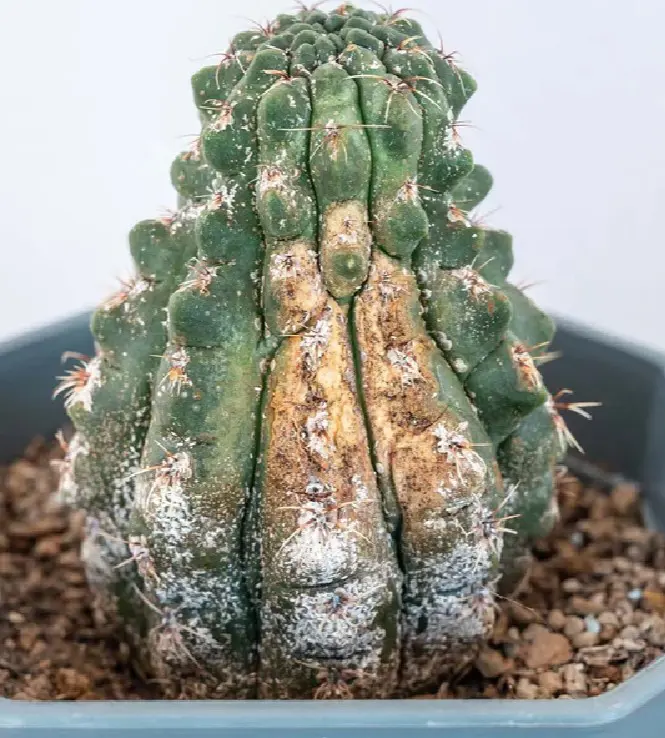
Even though cacti have spikes everywhere, they are susceptible to pests like most plants. Indoor cacti are particularly vulnerable to infestations from new plants, contaminated soil, or pests entering through windows and doors.
Outdoor cacti face a wider range of potential pests. Common pests include mealybugs, scale insects, spider mites, and fungus gnats. Pest damage leads to stunted growth, discoloration, and reduced flower production. Severe infestations can even kill the cactus.
Preventing Pests
- Regularly inspect your cactus for signs of pests. Look for unusual bumps, webbing, or tiny insects crawling on the stem.
- Isolate any new cacti for a few weeks to prevent the spread of pests from new plants.
- Avoid overwatering. Water your cactus only when the soil is completely dry.
- Maintain good air circulation around as pests prefer stagnant air.
- If you find a pest infestation, insecticidal soap sprays or neem oil solutions can be effective.
13. Choose the Right Varieties
The best way to encourage cactus flowers to bloom is to choose easy flowering varieties. Some cactus species are more prone to blooming than others. These are some examples:
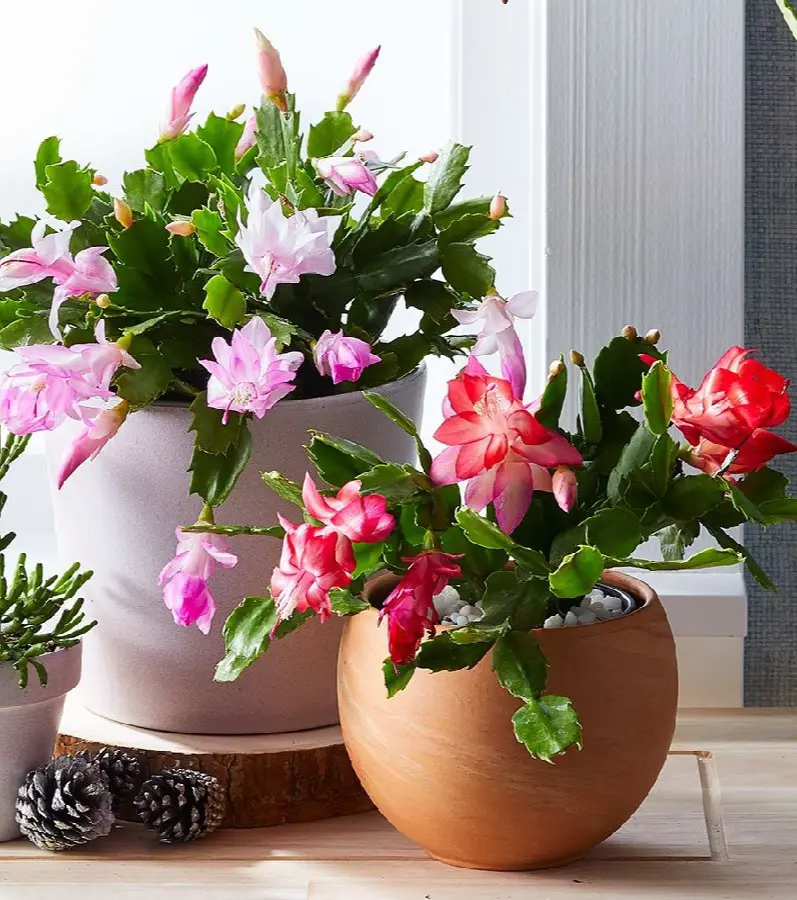
- Christmas Cactus: This cactus has vibrant red, pink, or white flowers that bloom around the holiday season. It thrives in indirect sunlight and prefers slightly moist soil.
- Easter Cactus: Like the Christmas Cactus, the Easter Cactus blooms in spring and has vibrant orange, red, or pink flowers. It needs indirect sunlight and moist soil.
- Rebutia: This genus of small, colorful cacti comes in various flower colors, including red, yellow, orange, and pink. They are relatively low-maintenance and flower readily in spring and summer.
- Gymnocalycium: Known for its ease of care and beautiful flowers, this cactus blooms in various colors, including white, pink, and yellow. It prefers bright, indirect light and moderate watering.


Hydrangea Caring and Growing Guide
How And When To Prune Azaleas For Optimal Growth
How And When To Prune Boxwood Shrubs
How To Care For Mums All Season
How To Care For An Amaryllis Plant: Before and After Blooming Ideas
How To Take Care Of An Orchid Plant? 11 Tips And Tricks