How and When to Dethatch Lawn: Complete Lawn Care Guide

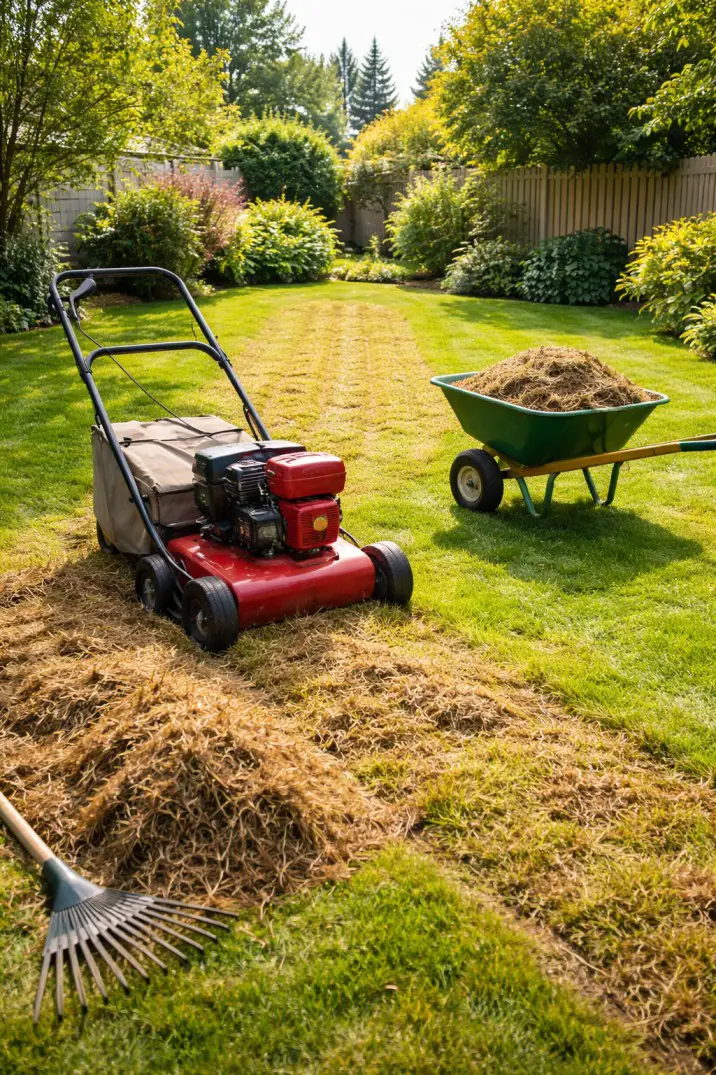
A healthy lawn depends on balanced soil, moisture, and proper maintenance. One factor that many homeowners overlook is thatch - a layer of organic material that forms between the soil surface and the green grass blades.
Thatch is made up of dead grass stems, roots, and other plant debris. In small amounts, it actually benefits your lawn by helping retain moisture and protecting soil from extreme temperatures. However, when the layer becomes too thick, it prevents air, water, and nutrients from reaching the soil.
This is where dethatching becomes essential. Dethatching removes excess organic buildup so grass roots can grow deeper and stronger.
Signs Your Lawn Needs Dethatching
Before dethatching your lawn, it’s important to determine whether the process is actually necessary. Not all lawns need dethatching every year.
Here are common signs your lawn may have excessive thatch:
1. Spongy Feel When Walking
If your lawn feels soft or bouncy underfoot, there may be a thick layer of thatch beneath the grass.
2. Poor Water Absorption
Water may run off the surface rather than soaking into the soil.
3. Patchy or Weak Grass Growth
Grass may appear thin, uneven, or unhealthy despite regular watering and fertilizing.
4. Thick Brown Layer Under Grass
When you dig a small section of turf, you may notice a dense brown layer between the soil and the grass.
A thatch layer thicker than ½ inch usually means your lawn could benefit from dethatching.
The Best Time to Dethatch Your Lawn
Timing is crucial when dethatching because the process can temporarily stress the grass. Performing it at the right time allows the lawn to recover quickly.
Cool-Season Grasses
For lawns with cool-season grasses such as fescue, ryegrass, or Kentucky bluegrass, the best time to dethatch is:
-
Early spring
-
Early fall
These seasons provide moderate temperatures and good growing conditions for recovery.
Warm-Season Grasses
Warm-season grasses like Bermuda, zoysia, and St. Augustine grow actively in warmer months. The ideal dethatching period is:
-
Late spring
-
Early summer
Dethatching during the active growth phase helps grass repair itself faster.
Avoid dethatching during extreme heat, drought, or when grass is dormant.
Tools Used for Dethatching
Several tools can help remove excess thatch depending on the size of your lawn and the thickness of the thatch layer.
Dethatching Rake
A dethatching rake has curved blades designed to pull thatch out of the lawn. It works best for small lawns or mild thatch buildup.
Power Dethatcher
A power dethatcher is a machine with rotating tines that lift and remove thatch quickly. It’s suitable for medium to large lawns.
Verticutter
A verticutter uses vertical blades to slice through the thatch layer and soil surface. This method is often used for lawns with heavy thatch.
Choosing the right tool makes the process more efficient and reduces stress on your grass.
Step-by-Step Guide to Dethatching Your Lawn
Dethatching may sound complicated, but it can be done with a few simple steps.
1. Mow the Lawn First
Start by mowing your grass slightly shorter than usual. This helps the dethatching tool reach the thatch layer more effectively.
2. Water the Lawn Lightly
Lightly water the lawn a day before dethatching. Moist soil allows tools to penetrate more easily without damaging roots.
3. Use a Dethatching Tool
Run the dethatching rake or machine across the lawn in straight lines. The tines will pull up the layer of dead material from the soil surface.
You may need to make multiple passes for thicker thatch.
4. Remove the Debris
Once dethatching is complete, collect and remove the loosened debris using a rake or lawn bagger.
Leaving it on the lawn can block sunlight and prevent healthy growth.
5. Water and Fertilize
After dethatching, water the lawn thoroughly. Adding fertilizer can also help grass recover and promote stronger root growth.
Lawn Care After Dethatching
Proper care after dethatching helps your lawn bounce back quickly and grow healthier than before.
Aeration
Aerating the lawn allows oxygen and nutrients to reach the soil more easily.
Overseeding
If your lawn has thin patches, overseeding can fill in gaps and improve density.
Fertilizing
Applying a balanced fertilizer encourages rapid grass recovery.
Regular Watering
Consistent watering supports root growth and helps grass regain its vibrant appearance.
Combining these steps can significantly improve lawn health.
How Often Should You Dethatch a Lawn?
Most lawns do not require dethatching every year. In fact, dethatching too frequently can stress the grass and damage healthy roots.
General guidelines include:
-
Every 2–3 years for most lawns
-
More often for lawns with heavy thatch buildup
-
Less often for well-maintained lawns
Regular mowing, proper fertilization, and occasional aeration can help prevent excessive thatch from forming.
Preventing Thatch Buildup
Instead of relying solely on dethatching, homeowners can adopt maintenance habits that reduce thatch formation.
Mow at the Proper Height
Cutting grass too short can weaken roots and encourage thatch buildup.
Avoid Over-Fertilizing
Too much fertilizer promotes rapid growth, which leads to excess organic material.
Water Deeply but Less Frequently
Deep watering encourages stronger roots and healthier soil conditions.
Aerate Annually
Aeration helps soil microbes break down organic matter more efficiently.
By following these practices, you can maintain a balanced lawn ecosystem and reduce the need for frequent dethatching.
Final Thoughts
Dethatching is an important lawn care practice that helps maintain healthy grass and strong root systems. When excess thatch builds up, it blocks essential nutrients, water, and air from reaching the soil.
By recognizing the signs of thatch buildup and dethatching at the right time, you can restore your lawn’s vitality and promote lush growth. Using the right tools, following proper steps, and caring for your lawn afterward will ensure the best results.
With consistent maintenance and attention, your lawn can stay green, healthy, and beautiful throughout the growing season.

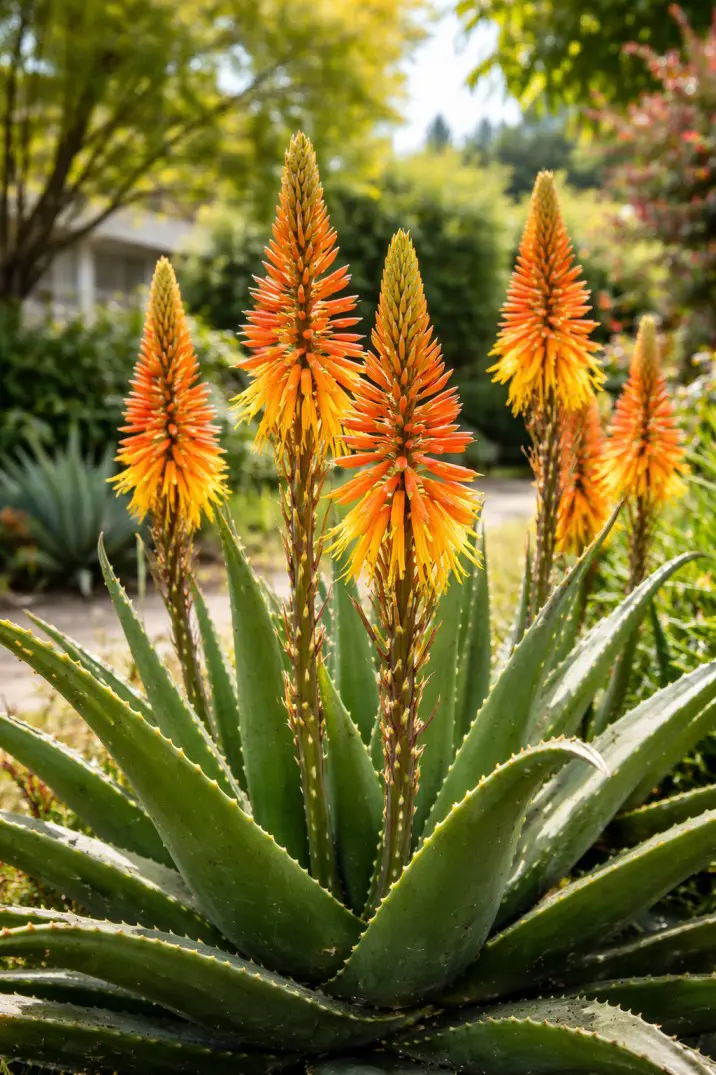
Does Aloe Vera Flower? A Complete Guide to Aloe Blooming
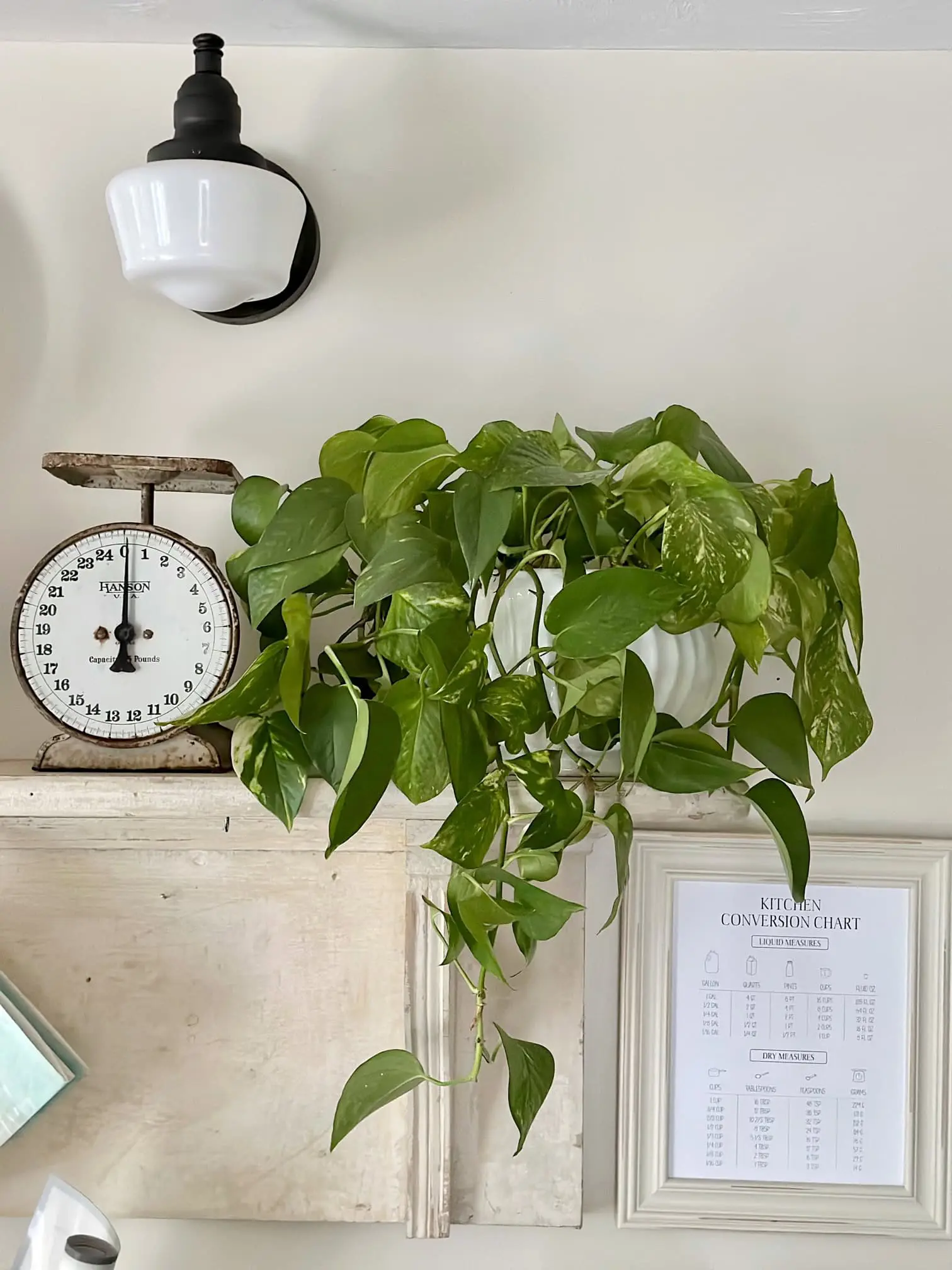
Plant Drooping? Here's Why & How to Bring It Back to Life
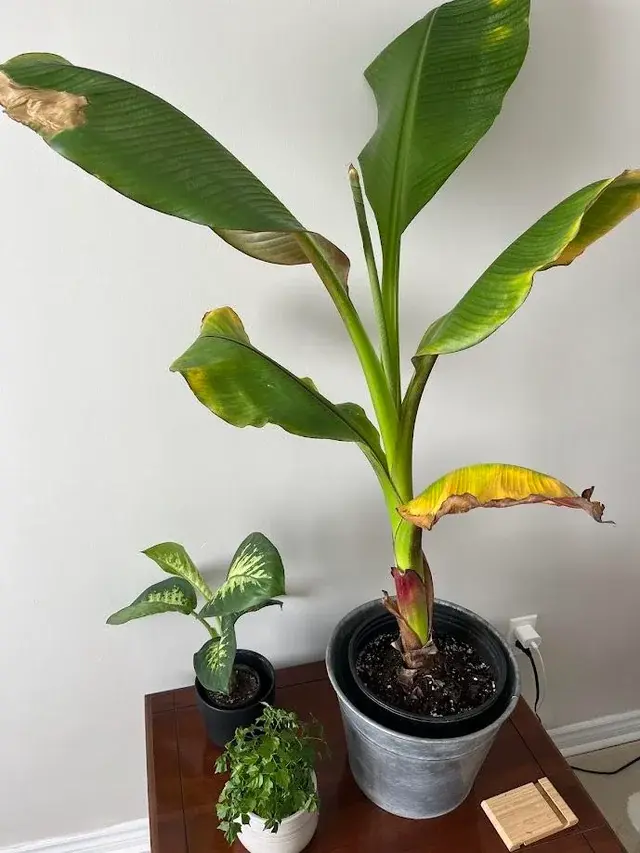
Banana Leaves Turning Yellow and Brown: How To Fix
23 Mosquito Repellent Plants You Should Have in Your Garden

20 Fall Vegetables To Plant In Your Garden
What Does Crabgrass Look Like And How To Control