Does Aloe Vera Flower? A Complete Guide to Aloe Blooming

Many people grow aloe vera for its thick, soothing leaves and medicinal gel, but fewer realize that this hardy succulent can also produce beautiful flowers. If you’ve ever wondered whether aloe plants bloom, the answer is yes - aloe vera can indeed flower under the right conditions.
However, aloe flowering is not something that happens frequently, especially for indoor plants. The appearance of an aloe bloom often surprises plant owners because it usually occurs only when the plant is mature and thriving in an ideal environment. Understanding how and when aloe vera flowers can help you care for your plant better and even encourage blooming.
What Does an Aloe Vera Flower Look Like?
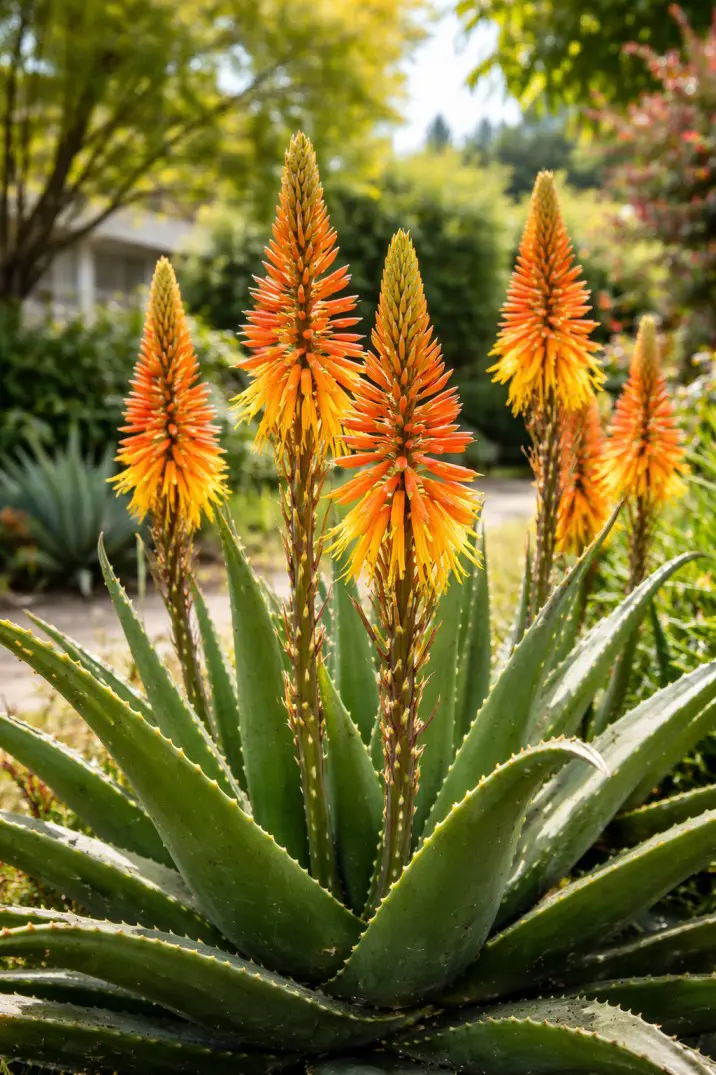
Aloe vera flowers grow on a tall stalk that rises from the center of the plant. This stalk, sometimes called a flower spike, can grow up to two or three feet tall depending on the plant's size and health.
The flowers themselves are small, tubular, and typically appear in clusters along the spike. Most aloe vera blooms are:
-
Yellow
-
Orange
-
Occasionally reddish or coral-colored
These colorful blossoms attract pollinators such as bees and hummingbirds in outdoor gardens. The flower spike creates a dramatic contrast with the thick green aloe leaves, making the plant even more visually appealing.
When Does Aloe Vera Usually Flower?
Aloe vera plants typically bloom during the spring or early summer months. This timing varies slightly depending on climate and growing conditions.
For outdoor aloe plants grown in warm climates, flowering may occur once every year after the plant reaches maturity. Indoor aloe plants, however, rarely bloom because they often lack the ideal sunlight and environmental conditions.
Most aloe plants begin flowering only after they are 3 to 4 years old, once they are fully mature and well established.
Conditions That Encourage Aloe Vera to Bloom
For aloe vera to produce flowers, it needs specific environmental conditions. While flowering cannot always be guaranteed, providing the right care significantly increases the chances.
1. Plenty of Sunlight
Aloe vera thrives in bright light. Plants that receive at least 6–8 hours of sunlight per day are more likely to bloom.
Outdoor aloe plants naturally get this exposure, while indoor plants should be placed near a sunny window.
2. Proper Watering
Overwatering is one of the biggest problems with aloe plants. These succulents store water in their leaves, so they prefer dry soil between watering sessions.
Water only when the soil feels completely dry. Consistent but moderate watering helps keep the plant healthy enough to bloom.
3. Well-Draining Soil
Aloe vera requires soil that drains quickly. Succulent or cactus potting mixes work best because they prevent water from sitting around the roots.
Healthy roots are essential for the plant to have enough energy to produce flowers.
4. Warm Temperatures
Aloe plants prefer warm environments between 55°F and 80°F (13°C–27°C). Cold temperatures can stress the plant and delay blooming.
Plants grown outdoors in warm climates often flower more regularly than those grown indoors.
Why Indoor Aloe Plants Rarely Flower
Many people keep aloe vera as a houseplant, but indoor plants rarely produce flowers. This doesn’t mean your aloe is unhealthy - it simply means the plant may not be receiving ideal blooming conditions.
Some common reasons indoor aloe plants don’t flower include:
-
Insufficient sunlight
-
Limited space for root growth
-
Lack of seasonal temperature changes
-
Immature plant age
Indoor aloe plants still grow beautifully without flowers and continue to produce the useful gel that many people value.
How to Encourage Aloe Vera to Flower
If you want to increase the chances of your aloe plant blooming, there are several simple care tips you can follow.
Provide Maximum Sunlight
Place your aloe plant in the brightest spot possible. South-facing windows usually provide the strongest sunlight indoors.
If possible, move your aloe plant outdoors during warm months so it can receive natural light.
Avoid Overwatering
Allow the soil to dry completely before watering again. Aloe plants prefer a dry environment, and excessive moisture can weaken the plant.
Use the Right Pot Size
Aloe plants prefer slightly crowded roots, but extremely tight containers may limit growth. Repotting every few years helps maintain healthy development.
Allow Winter Rest
Aloe plants benefit from a short resting period in winter with reduced watering and slightly cooler temperatures. This seasonal cycle can help trigger blooming in spring.
What to Do When Your Aloe Vera Starts Flowering
When your aloe plant finally produces a flower spike, it’s a sign that the plant is thriving. During this time, continue normal care and avoid major changes.
Here are a few helpful tips during flowering:
-
Keep the plant in bright light
-
Water normally but avoid overwatering
-
Do not cut the flower stalk until blooming is finished
After the flowers fade, the stalk may dry out. At that point, you can trim it near the base using clean garden scissors.
The flowering process does not harm the aloe plant, and it may bloom again in future seasons.
Do Aloe Vera Flowers Produce Seeds?
Yes, aloe vera flowers can produce seeds, but this usually happens only when pollination occurs. In outdoor environments, bees and other pollinators transfer pollen between flowers, allowing seeds to develop.
Indoor plants rarely produce seeds because pollinators are not present. Even when seeds form, growing aloe from seeds is slower than propagating from offsets, also called “pups.”
Most gardeners prefer growing new aloe plants by separating the small baby plants that grow near the base of the parent plant.
Are Aloe Vera Flowers Useful?
While aloe vera leaves are widely known for their soothing gel used in skincare and burns, the flowers themselves are mainly ornamental.
In some regions, aloe flowers are also known to attract beneficial pollinators, which can improve biodiversity in gardens. Their tall, colorful spikes add a striking visual element to succulent gardens and landscapes.
Although they are not commonly used for medicinal purposes like the leaves, the flowers still add beauty and ecological value.
Final Thoughts
Aloe vera is best known for its healing gel and easy-care nature, but its ability to produce vibrant flowers is an often-overlooked feature. When grown in the right conditions, mature aloe plants can send up tall spikes filled with bright tubular blooms that add unexpected beauty to this popular succulent.
While indoor aloe plants may bloom less frequently, proper sunlight, careful watering, and patience can increase the chances of seeing this natural display. Whether your aloe flowers regularly or simply grows healthy leaves, it remains one of the most rewarding and versatile plants to keep in a home or garden.

How and When to Dethatch Lawn: Complete Lawn Care Guide
Plant Drooping? Here's Why & How to Bring It Back to Life
Banana Leaves Turning Yellow and Brown: How To Fix
23 Mosquito Repellent Plants You Should Have in Your Garden

20 Fall Vegetables To Plant In Your Garden
What Does Crabgrass Look Like And How To Control