Know These 20 Carrot Companion Plants For Your Garden

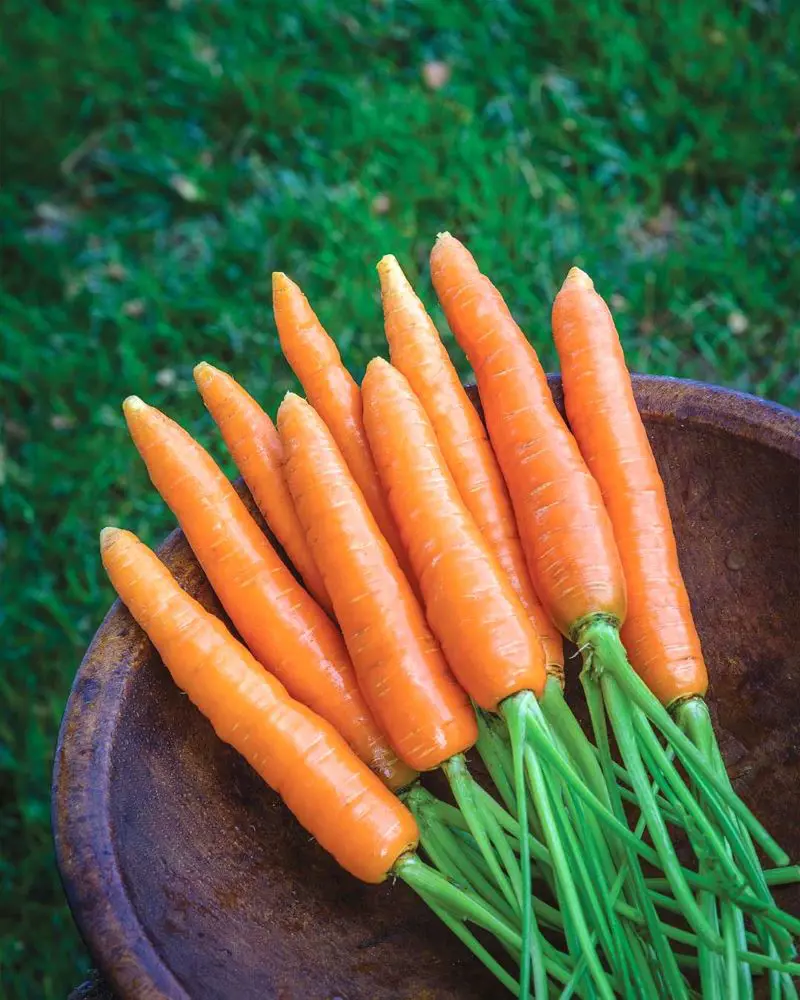
Companion planting is a time-tested gardening technique that involves strategically pairing plants to benefit each other. In the case of carrots, these humble root vegetables can greatly benefit from the company of certain plants that promote growth, deter pests, and improve soil health.
By understanding the art of companion planting, you can create a harmonious ecosystem in your garden that goes beyond merely growing vegetables.
1. Chives
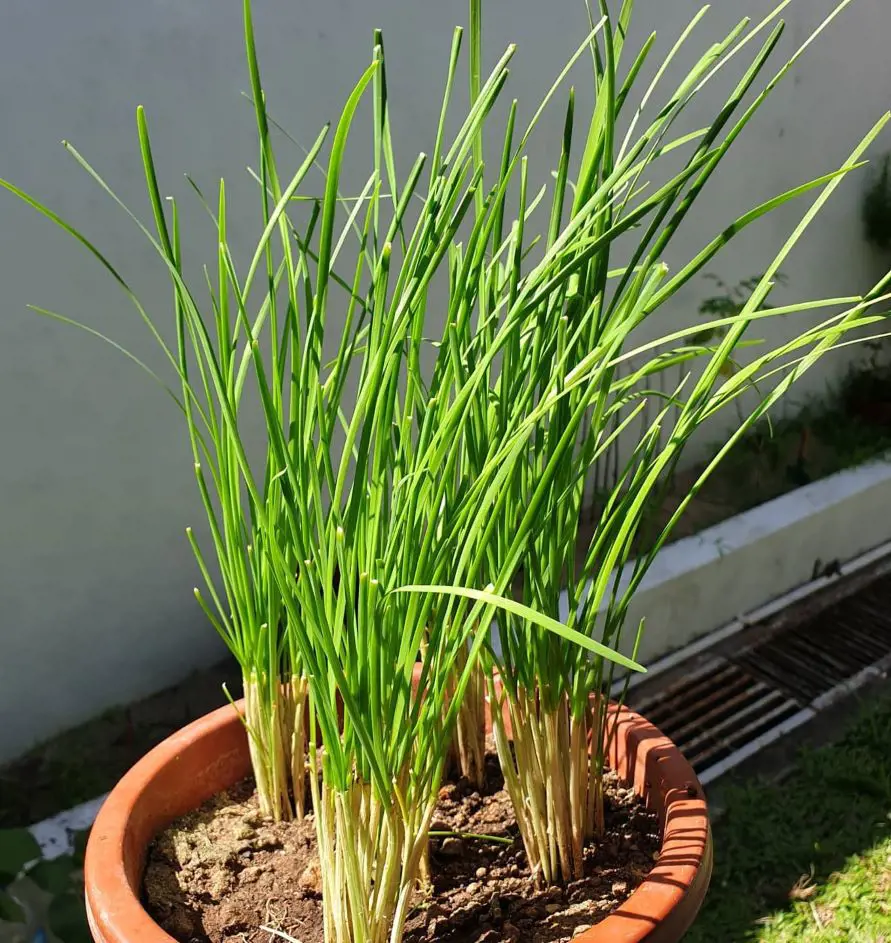
Chives act as natural deterrents against aphids and protect carrots from harmful insects. Their compact size makes them excellent companions, and they also enhance soil fertility.
Sow chives seeds directly next to your carrot rows or plant established clumps in strategic locations around your carrot patch.
Benefits:
- Acts as a natural deterrent against aphids.
- Enhances soil fertility with minimal space requirements.
2. Leeks
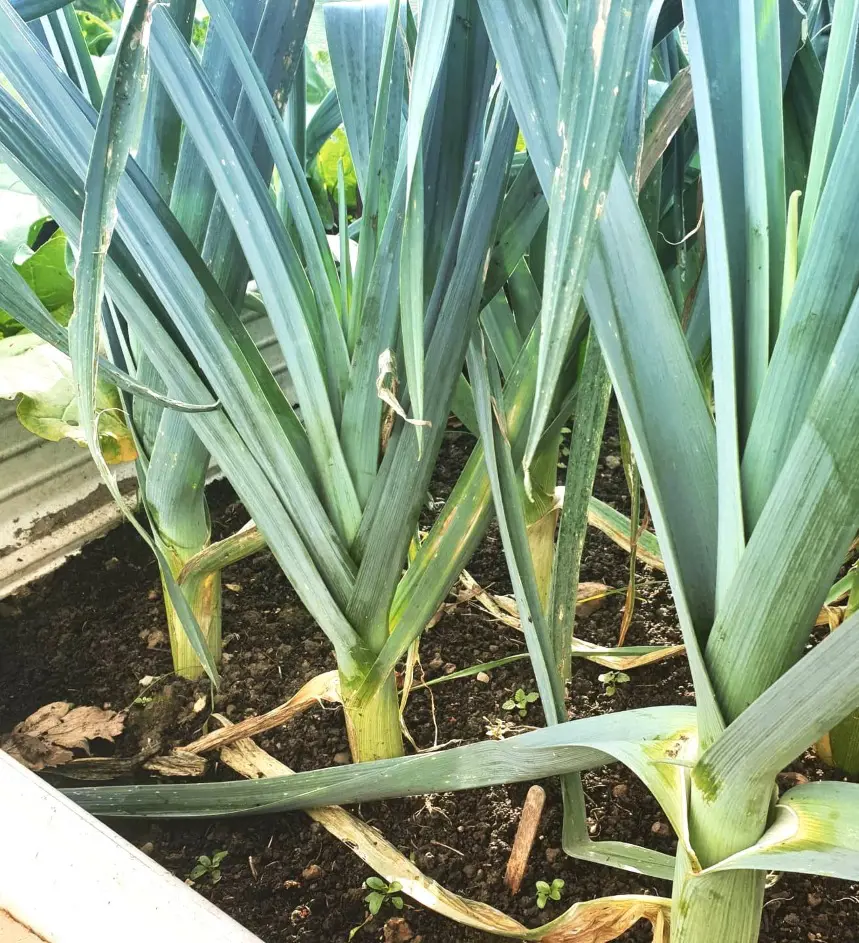
Leeks are winter vegetables that can withstand colder temperatures, making them a great choice to plant during the winter season. Their aroma repels carrot flies and leek moths, and lanting leeks and carrots together protects both from their respective pests.
Sow leek seeds or transplant seedlings alongside your carrot rows, maintaining adequate spacing between each plant.
Benefits
- Leeks repel carrot flies, while carrots repel leek moths.
- Creates a mutually beneficial pest-free zone.
3. Nasturtiums
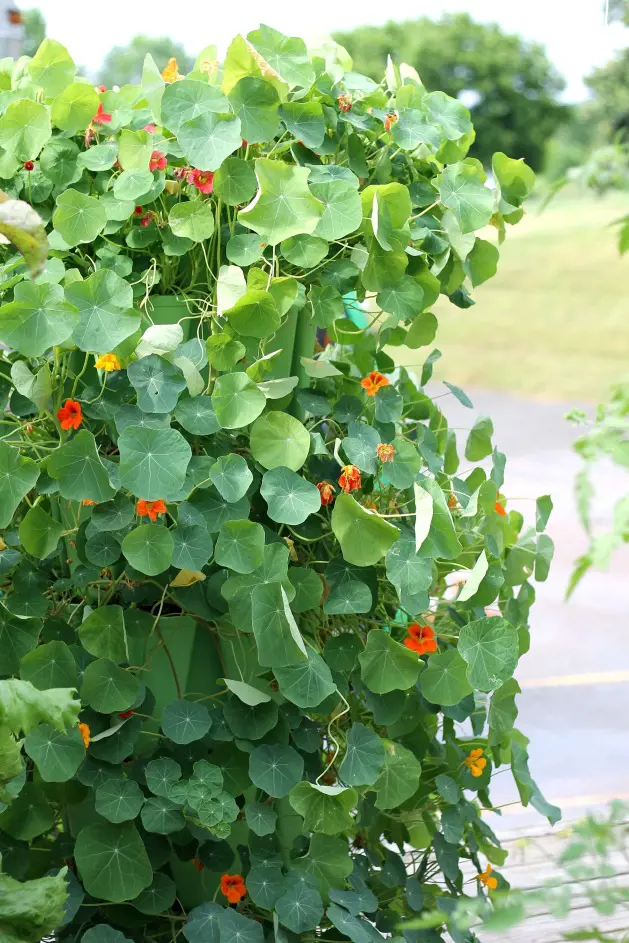
Nasturtiums stand out as excellent companions for carrots due to their multifaceted benefits. Acting as a trap crop, they attract and divert aphids away from carrots, effectively reducing pest pressure on the root vegetables.
Sow nasturtium seeds directly around your carrot patch or interplant seedlings sporadically within rows. Choose dwarf varieties for interplanting.
Benefits
- Vibrant blossoms attract helpful hoverflies that prey on aphids.
- Adds beauty and pest control.
4. Onions & Garlic
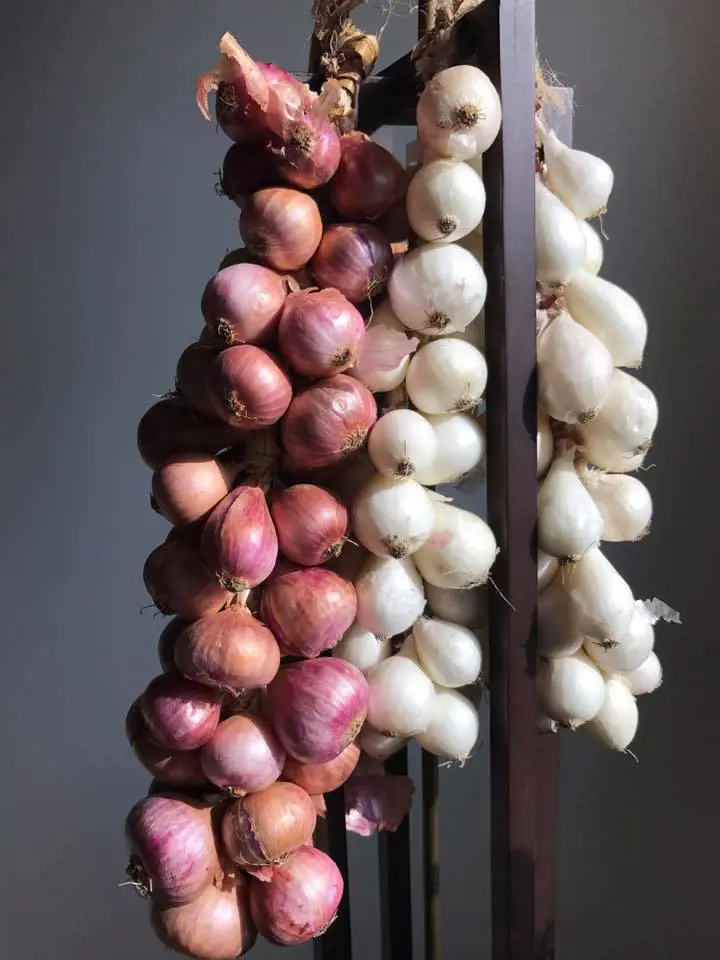
Onion and garlic help deter pests and confuse carrot flies with their pungent aroma. Additionally, they have space-efficient growth, making them ideal companions for carrots.
Plant onion sets or garlic cloves along the edges of your carrot patch or directly between rows, ensuring proper spacing for both plants.
Benefits
- Their pungent smell repels flies, maggots, and aphids.
- Provides additional flavor and culinary benefits.
5. Radishes
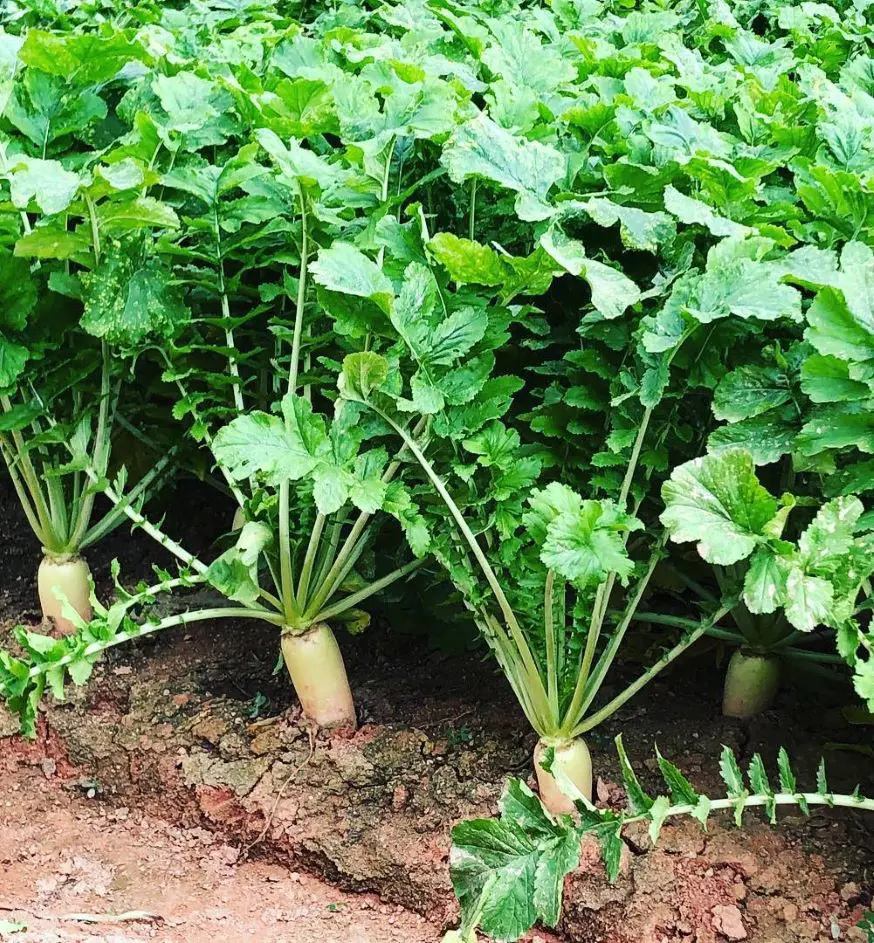
Radishes make excellent companion plants for carrots due to their complementary growth habits and pest-repelling qualities. When planted alongside carrots, radishes create a more hospitable environment for carrot roots to grow.
Sow radish seeds directly between carrot rows or interplant radishes as a companion crop between established carrot plants.
Benefits
- Fast growth attracts pests away from carrots.
- Loosens soil for easier carrot root development.
6. Marigolds
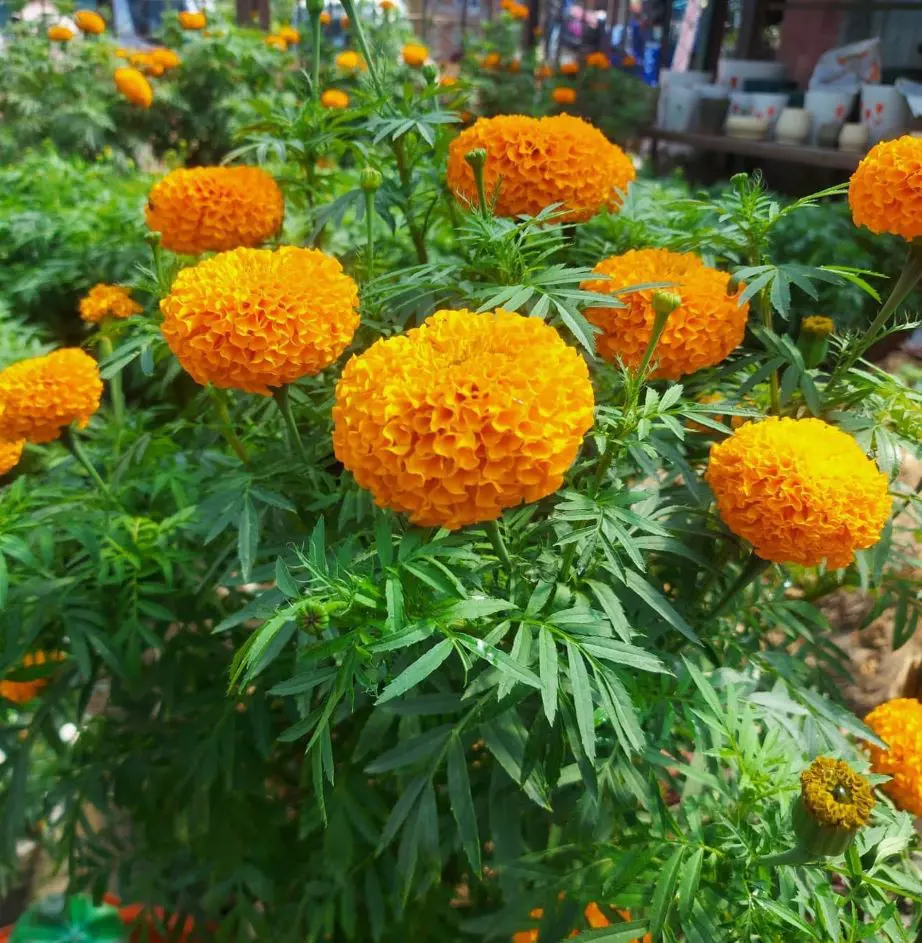
Despite being a standout companion plant for carrots, marigold is an effective mosquito repellent plant. Marigolds serve as excellent companions for carrots due to their natural ability to repel nematodes and soil-borne pests that can harm carrots.
Sow marigold seeds directly around the perimeter of your carrot patch or transplant seedlings near the edges. Choose varieties with a strong fragrance for maximum effect.
Benefits
- Emits a compound that kills nematodes and repels many insects.
- Adds vibrant color and pest control.
7. Oregano
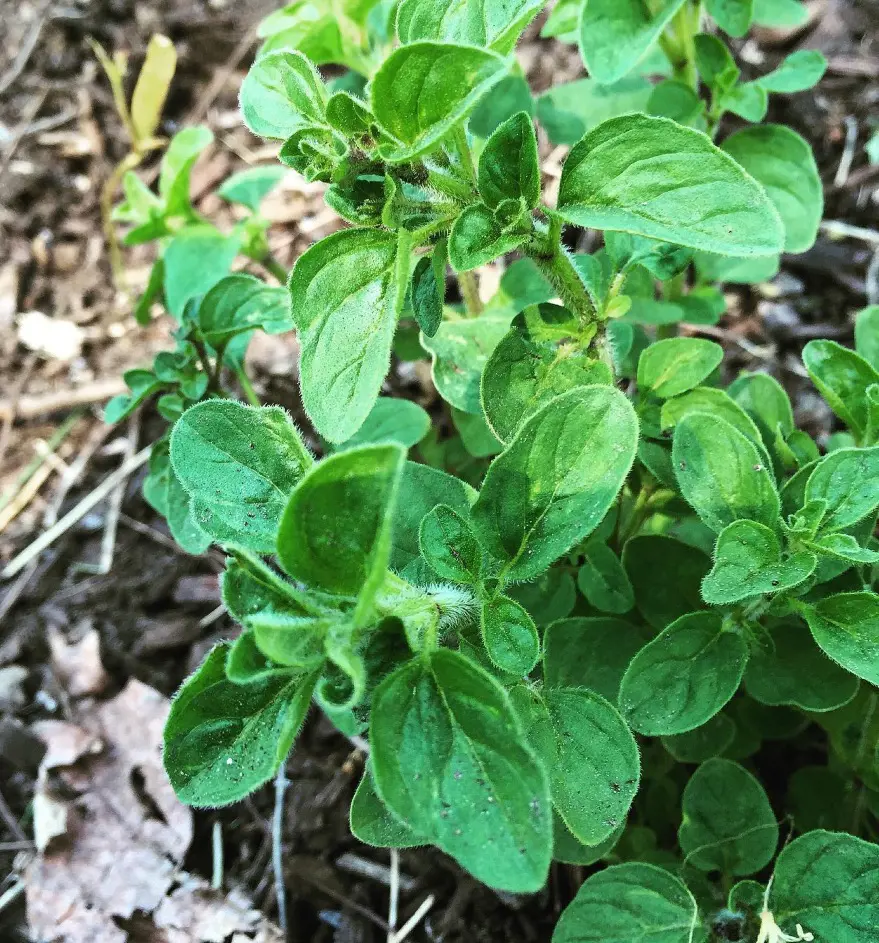
Oregano makes an excellent companion plant for carrots due to its pest-repelling properties and beneficial impact on soil health. Oregano's creeping growth habit acts as a natural ground cover, suppressing weed growth around carrot plants
Sow oregano seeds directly throughout your carrot patch or plant established clumps as a border around the edges.
Benefits
- A strong fragrance deters nematodes and rust flies.
- Adds aromatic herbs for culinary use.
8. Mint
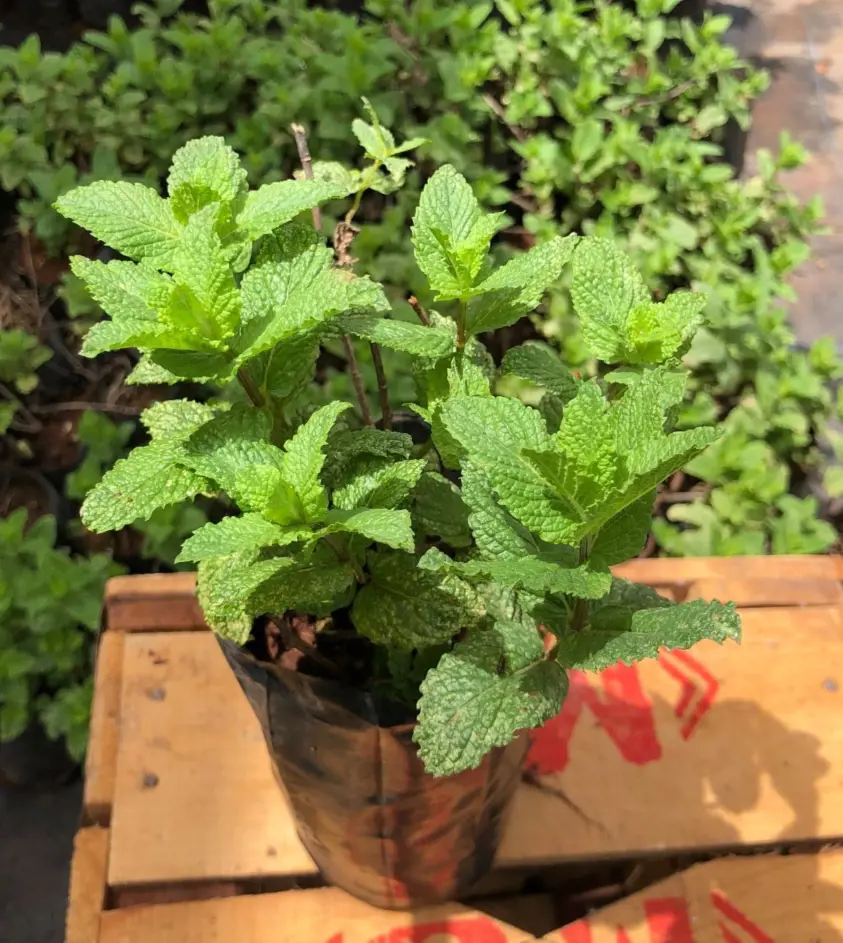
Mint acts as a natural insect repellent, safeguarding carrots from pests. However, it's important to contain mint, as it can be invasive.
Grow mint in pots near your carrot patch or interplant a few sprigs between carrot rows, avoiding competition by limiting the amount.
Benefits
- Pungent scents confuse carrot flies and repel other insects.
- Fresh culinary herbs to complement your harvest.
9. Beans

Beans make excellent companion plants for carrots due to their unique ability to fix nitrogen in the soil. These legumes host nitrogen-fixing bacteria in their root nodules, converting atmospheric nitrogen into a form that plants can utilize.
Sow bean seeds in alternating rows with carrots, or interplant them in the same rows after harvesting your carrots. Ensure proper spacing for both plants.
Benefits
- Fix nitrogen in the soil, enriching it for carrot growth.
- Provides additional food crops.
10. Lettuce
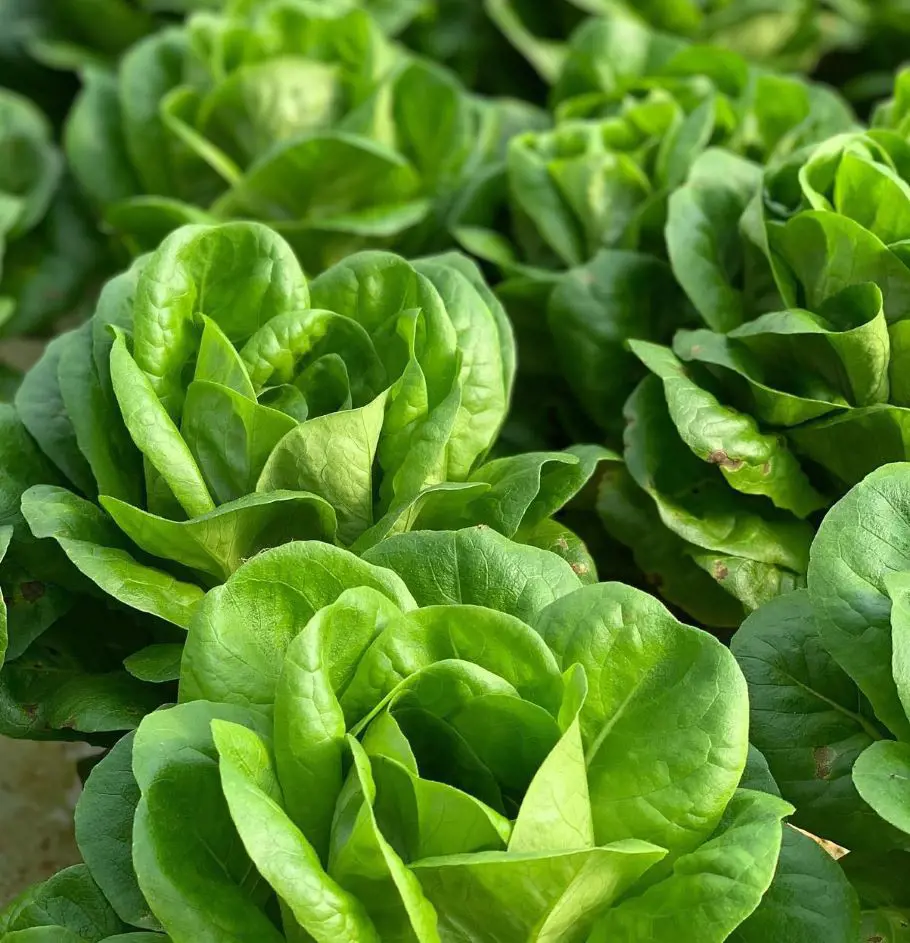
Lettuce can be a beneficial companion plant for carrots due to its compatibility in growth habits and minimal competition for resources. This easily grown vegetable provides a natural shade for the soil, aiding in moisture retention and potentially reducing weed growth around carrots.
Sow lettuce seeds directly between your carrot rows, ensuring space for both plants to grow adequately.
Benefits
- Shallow-rooted lettuce suppresses weeds and conserves moisture around carrots.
- Adds another edible crop.
11. Borage
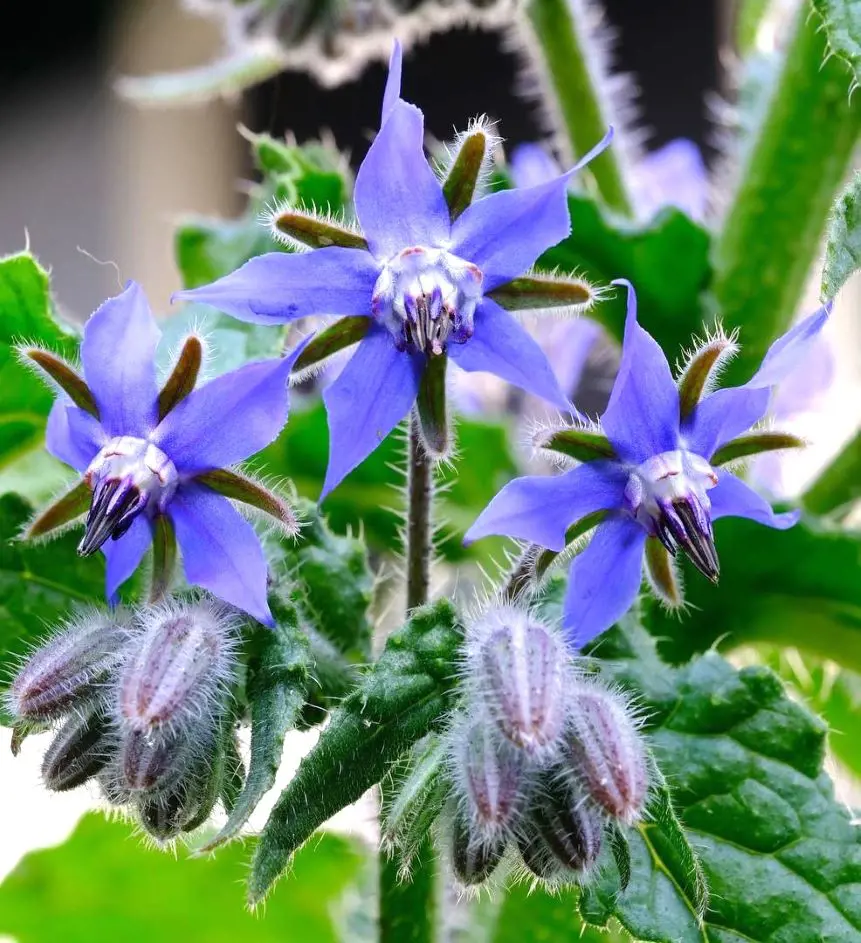
Known for its attractive blue flowers and cucumber-like flavor, borage offers numerous benefits. Its deep roots help improve soil structure.
Borage is also renowned for its ability to deter harmful insects, particularly the dreaded tomato hornworm. Sow borage seeds directly at the edges of your garden bed or transplant seedlings to strategic locations.
Benefits
- Star-shaped flowers attract bees and other pollinators, benefiting nearby carrot plants.
- Adds beauty and pollination support.
12. Tomatoes
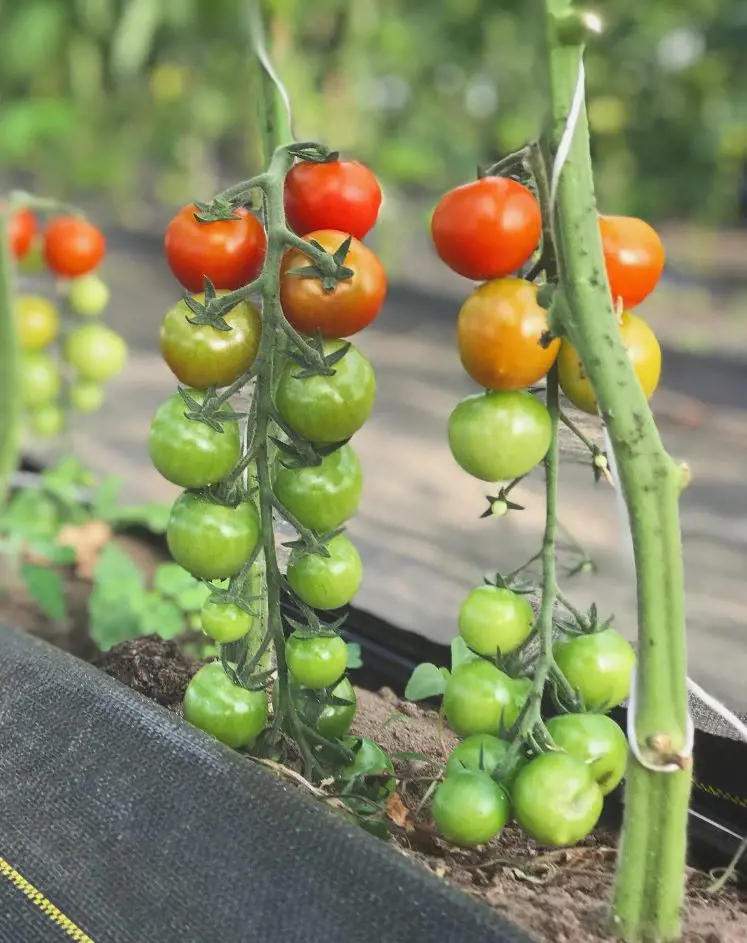
Tomatoes, one of the spring vegetables, make excellent companions for carrots in the garden. While carrots thrive underground, tomatoes grow vertically, utilizing different levels of the garden space efficiently.
Sow carrot seeds or transplant seedlings at the base of established tomato plants, ensuring adequate spacing for both. Choose dwarf carrot varieties for this method.
Benefits
- Tall tomato plants provide shade for growing carrots, especially in hot climates.
- Interplanting utilizes unused space efficiently.
13. Rosemary
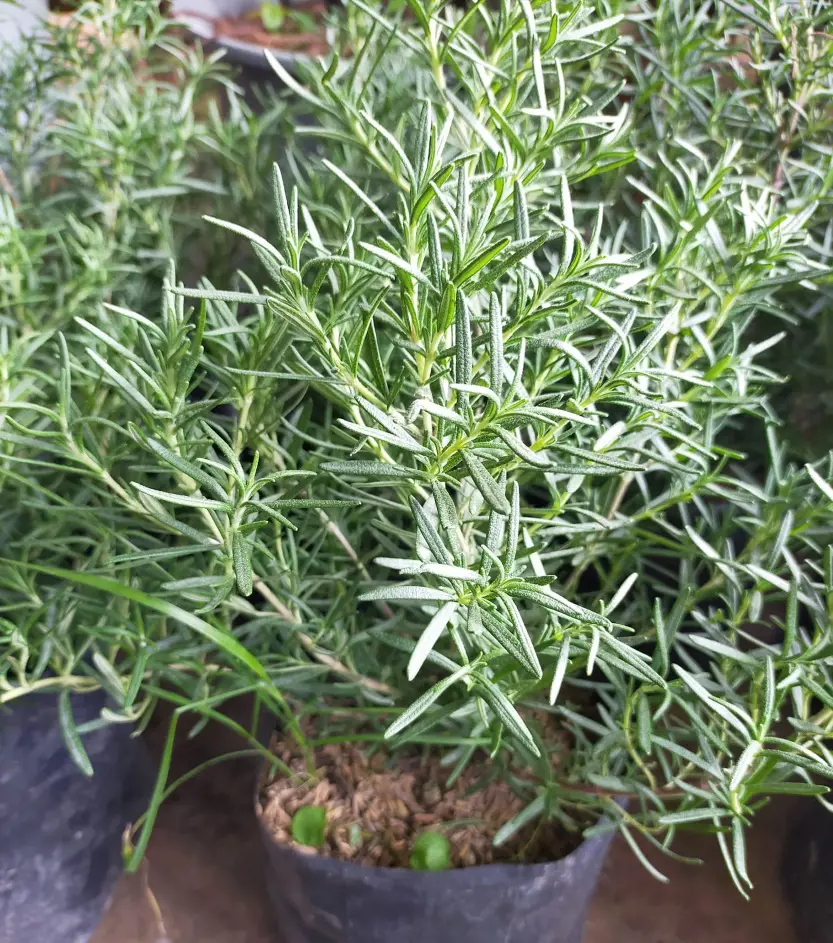
This aromatic herb not only adds a delightful fragrance to the surroundings but also plays a crucial role in deterring pests that can harm carrot crops. Its repellent properties promote a healthier and more robust growth environment for carrots.
Plant rosemary bushes or sow seeds along the perimeter of your garden bed, giving them sufficient space to spread.
Benefits
- Growing rosemary along the edges of your garden bed repels pests and adds a lovely aroma.
- Can be used in culinary dishes.
14. Corn

With its tall stalks, corn provides shade to the delicate carrot plants, preventing them from getting scorched during hot periods. Different types of corn require unique cultivation methods.
Sow corn seeds in rows near your carrot patch, ensuring adequate spacing between both plants. Consider using dwarf corn varieties for smaller gardens.
Benefits
- Fast-growing corn stalks provide some wind protection for young carrots.
- Adds another vegetable crop to your harvest.
15. Cilantro
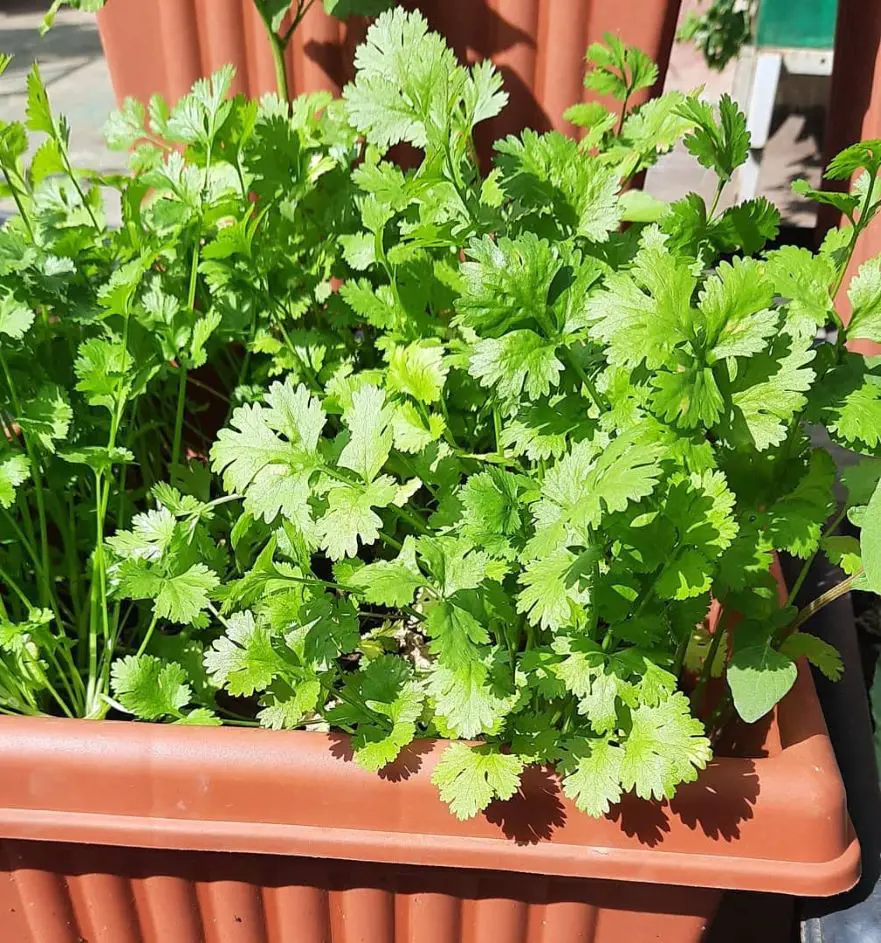
Beyond its culinary uses, cilantro attracts beneficial insects such as hoverflies, which are natural predators of aphids. By acting as a beacon for these helpful insects, cilantro supports natural pest control, keeping carrot-damaging pests at bay.
Grow cilantro directly near your carrot patch or transplant seedlings to nearby locations. Avoid direct interplanting due to potential competition for resources.
Benefits
- A strong scent may deter aphids and spider mites.
- Adds flavorful herbs for culinary use.
16. Parsley
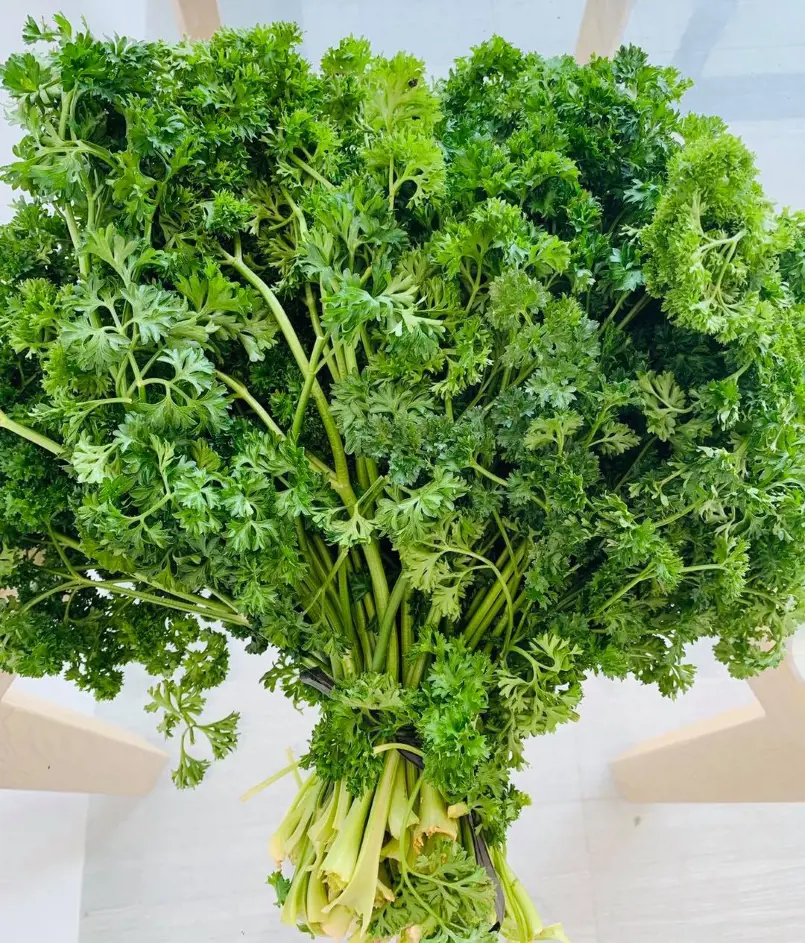
The compact and upright growth of parsley makes it a space-efficient companion for carrots. It provides a leafy canopy that shields young carrot seedlings from excessive sunlight.
Sow parsley seeds sparingly within your carrot rows, ensuring enough space for both plants to grow. Limit the amount to avoid competition.
Benefits
- While not as effective as other herbs, parsley's aroma can mask the carrot scent of flies.
- Add another herb to your garden.
17. Sage
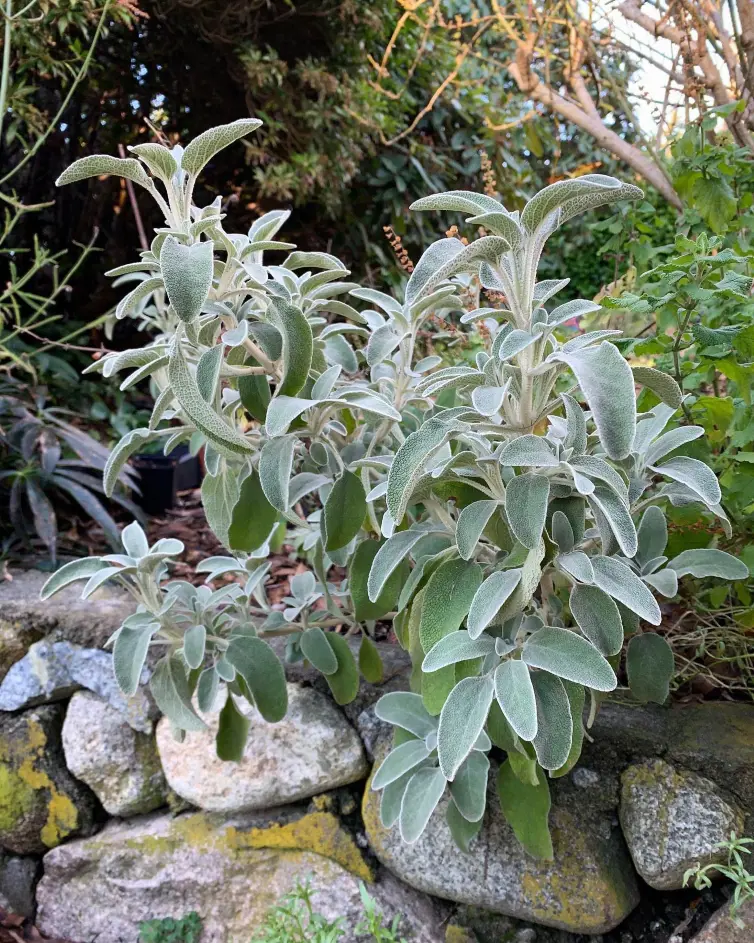
Sage serves as an excellent companion plant for carrots due to its dual benefits. Not only does it repel harmful insects such as carrot flies, but it also contributes to the overall health and flavor of the carrots.
Plant sage bushes or sow seeds along the edges of your garden bed, giving them enough space to grow.
Benefits
- It deters cabbage moths and attracts beneficial insects.
- Add another herb for culinary use.
18. Calendula

Calendula, a type of flower often dubbed "marigold," stands out as an exceptional companion plant for carrots. It helps create a balanced ecosystem by deterring harmful pests, contributing to a harmonious garden where carrots can thrive.
Sow calendula seeds directly throughout your garden, interspersing them among other plants. Choose varieties with a strong fragrance.
Benefits
- Cheerful flowers attract pollinators and predatory insects, enhancing pest control.
- Adds beauty and beneficial insects.
19. Daffodils
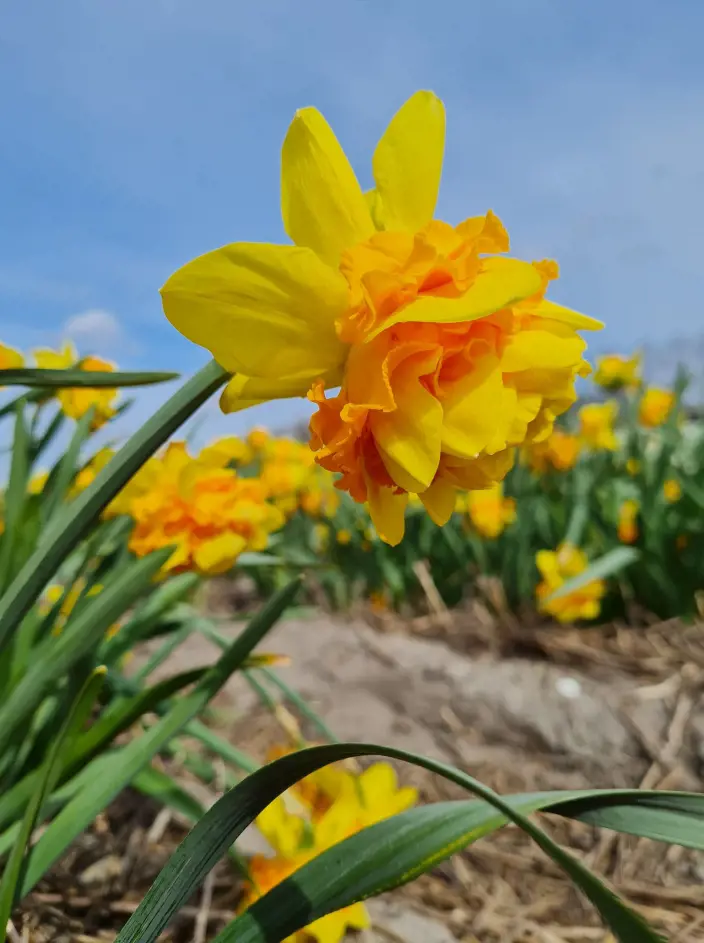
Daffodils with their vibrant yellow blooms, serve as unexpected yet beneficial companions for carrots. The presence of daffodils alongside carrots contributes to the overall charm of your garden space.
Plant daffodil bulbs around the perimeter of your garden or near your carrot patch, ensuring proper planting depth and spacing.
Benefits
- Spring bulbs deter rodents and add a splash of color.
- Early blooms bring beauty and pest control.
20. Dill
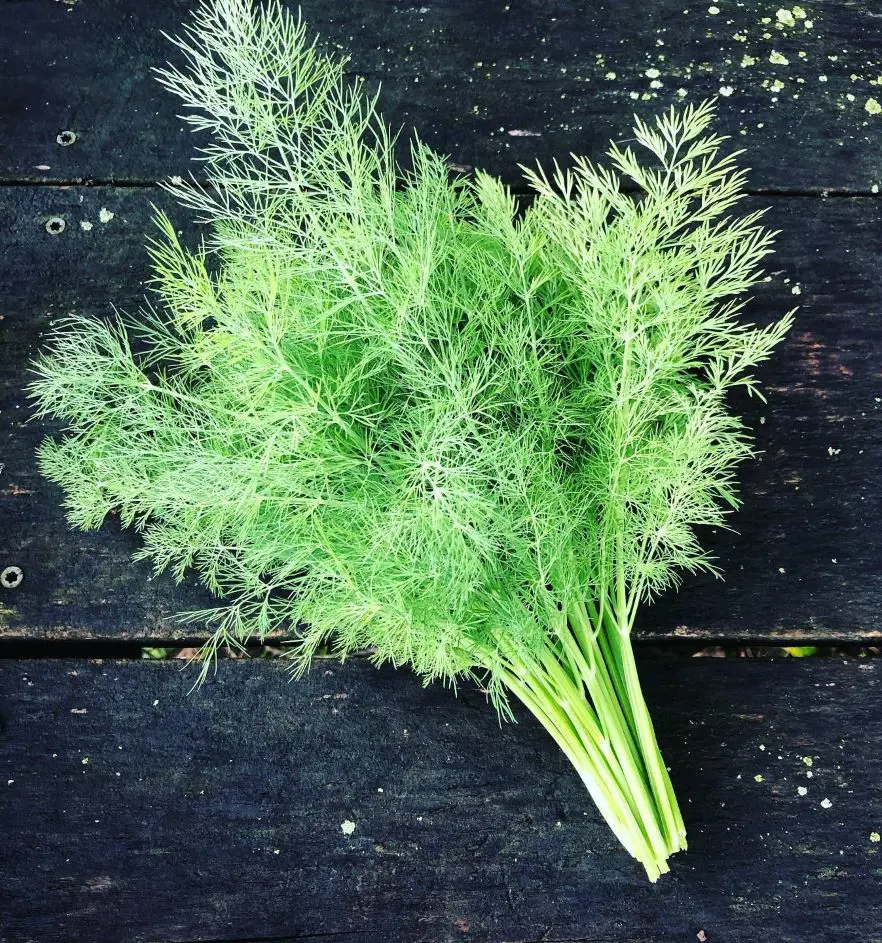
Dill is a stellar companion plant for carrots due to its dual role in promoting a healthy garden ecosystem.
Sow dill seeds directly near your carrot patch or transplant seedlings to nearby locations. Avoid interplanting dill directly with carrots due to potential competition for resources.
Benefits
- Attracts hoverflies and parasitic wasps, which control garden pests.
- Adds flavorful herbs for culinary use.


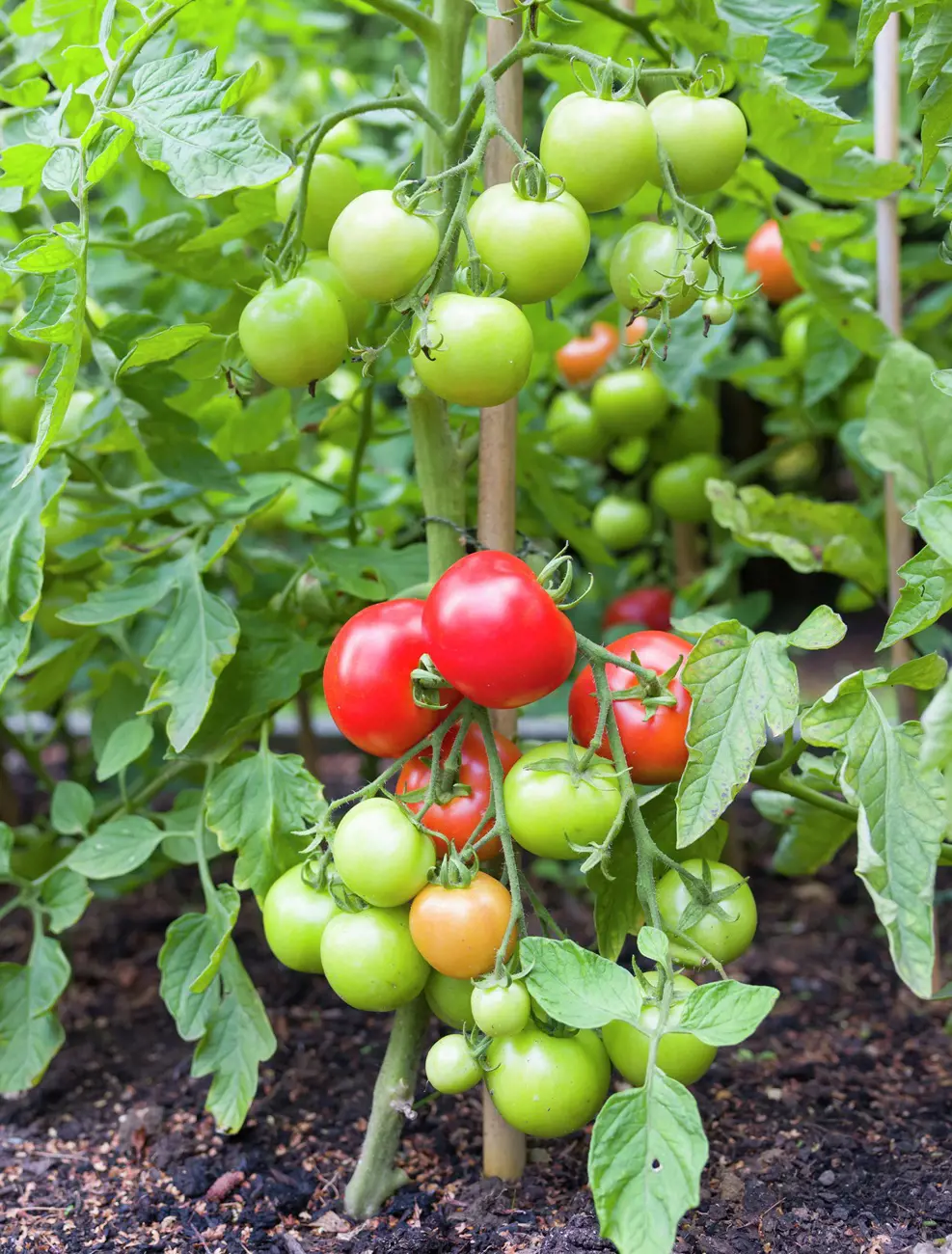
21 Best Companion Plants for Tomatoes
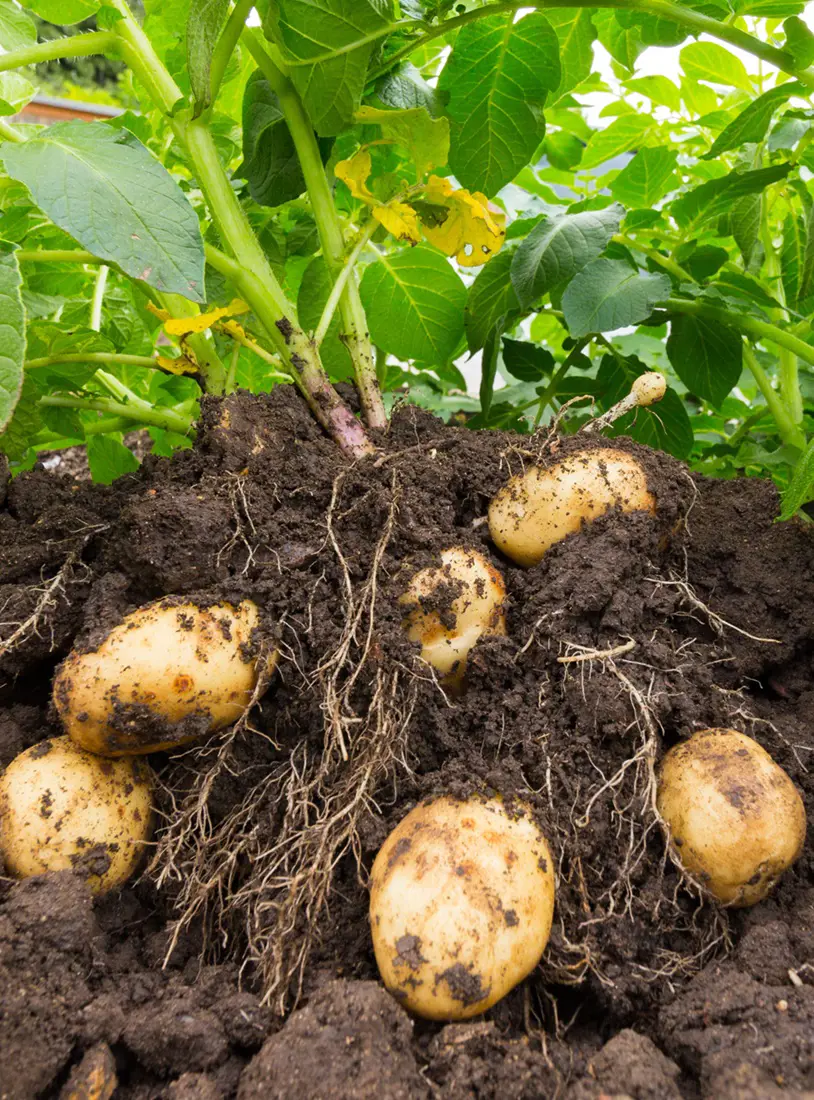
20 Best Potato Companion Plants for a Thriving Potatoes Garden
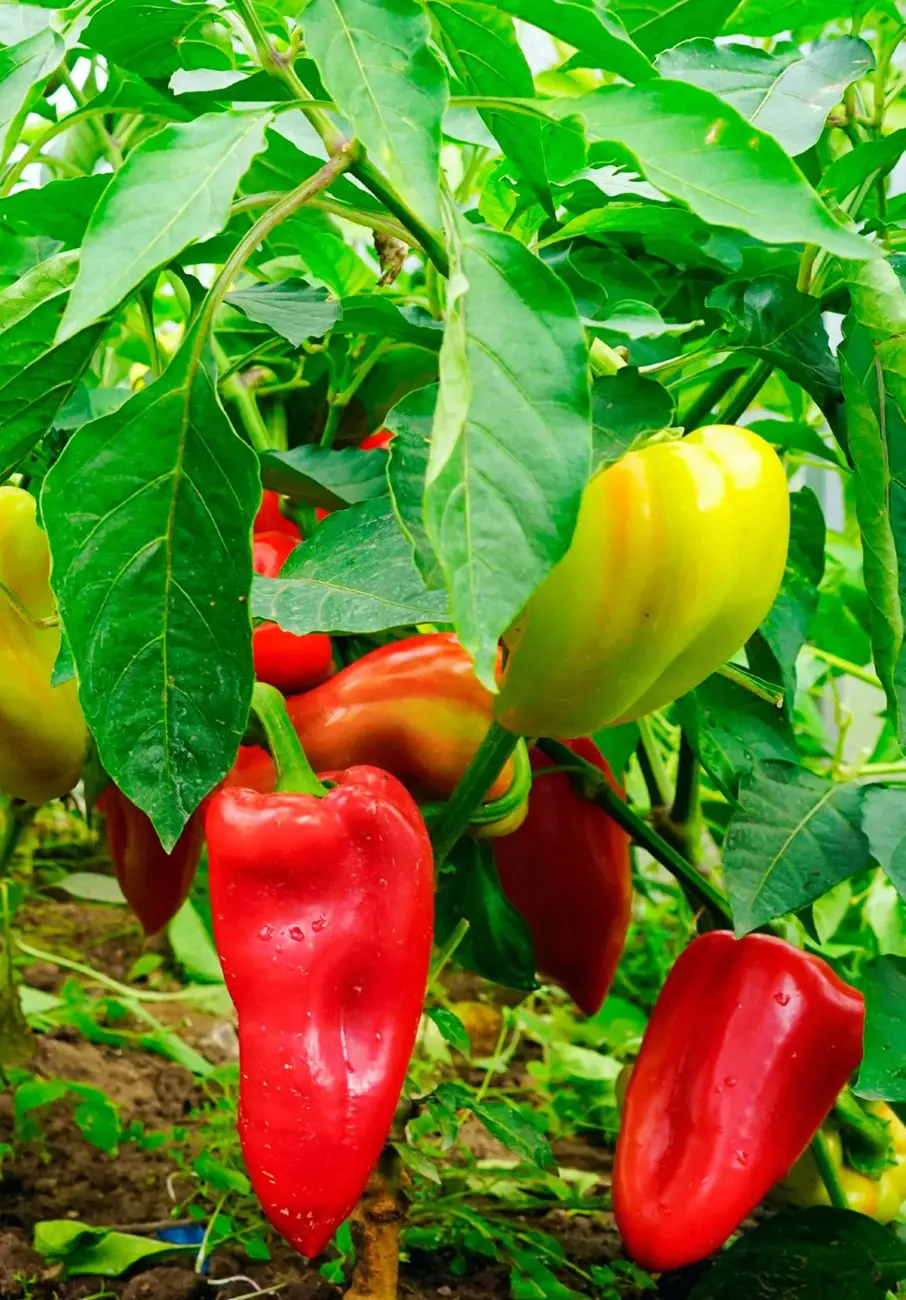
20 Companion Plants for Peppers
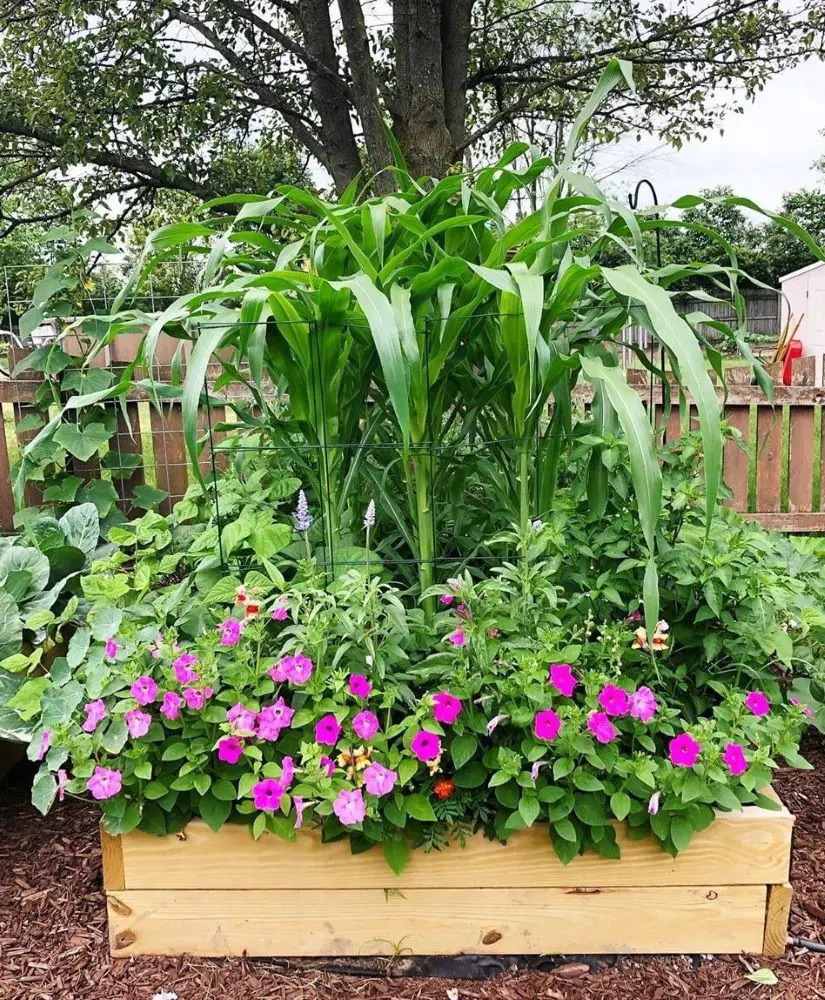
Best Companion Plants To Grow With Corn
20 Companion Plants To Grow With Strawberries
20 Onion Companion Plants for Organic Gardens