18 Companion Plants To Grow With Cucumber

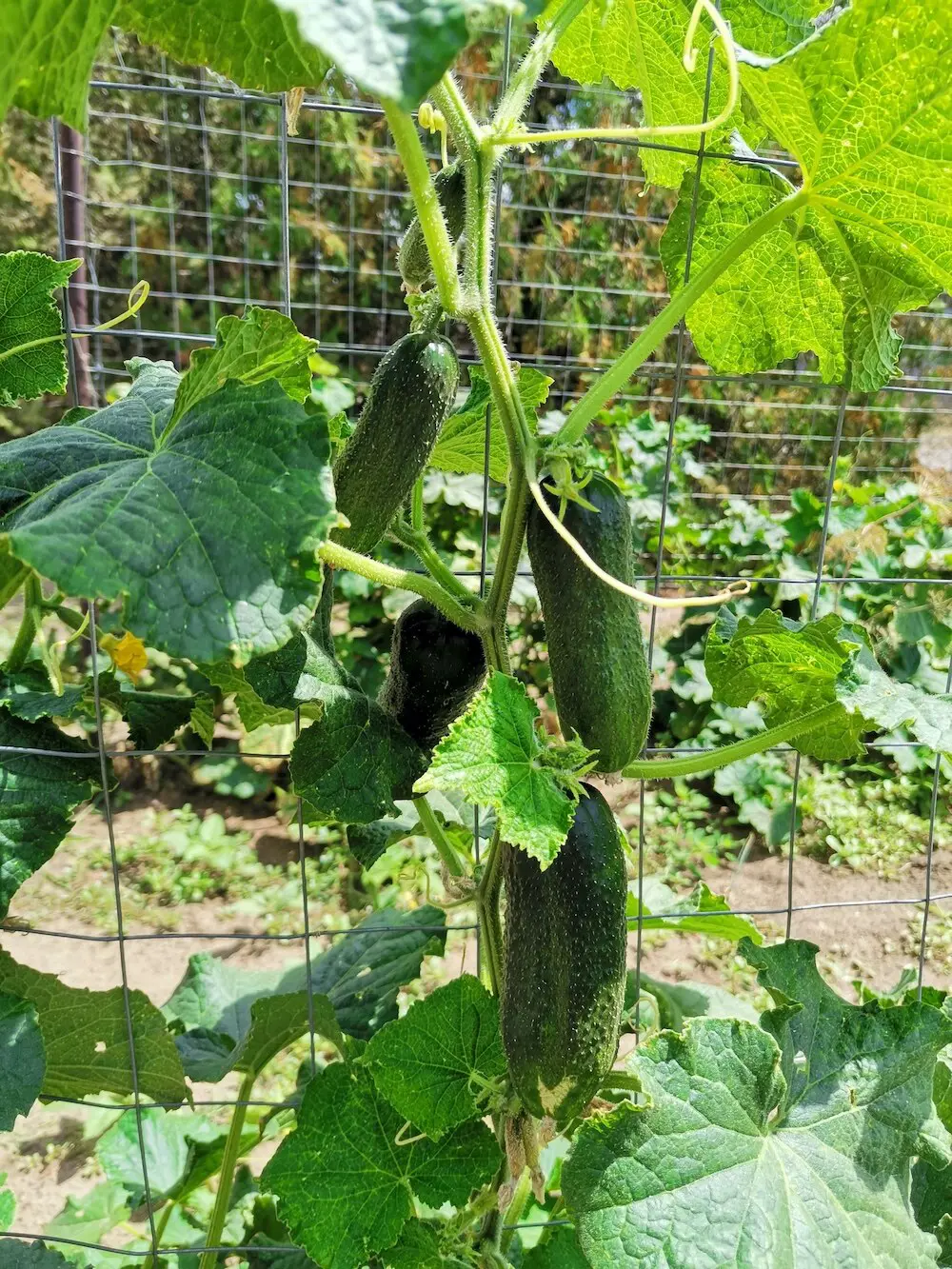
Cucumber plants are vining annuals that belong to the gourd family. Its growing pattern is typically sprawling and vine-like, with the vines spreading out horizontally across the ground or climbing trellises or supports if provided.
Companion planting can be beneficial for cucumber plants as it can help improve soil fertility, repel pests, and attract beneficial insects. Avoid planting cucumbers near plants like potatoes, sage, basil, and melons as they are susceptible to the same pests and diseases.
1. Nasturtiums
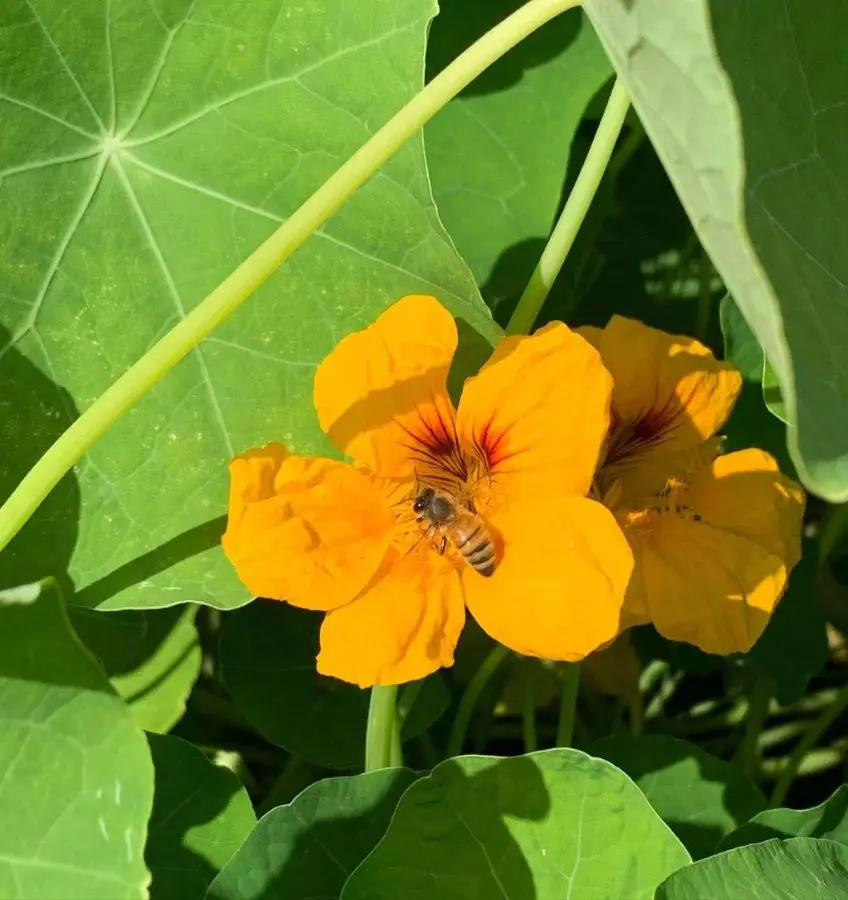
Nasturtiums are annual flowering plants known for their vibrant flowers and round leaves. They are considered one of the best companion plants for cucumbers because they repel cucumber beetles, aphids, and whiteflies with their strong scent.
Additionally, nasturtiums, one of the fast-growing flowers, have deep, vigorous roots that can help break up compacted soil and improve soil structure, which benefits the overall health of cucumber plants.
- Scientific Name: Tropaeolum majus
- Plant Type: Annual flowering plant
- Growing Conditions: Full sun; well-drained soil
- Companion Plants: Cabbage, radishes, tomatoes
2. Marigolds
Marigolds contain compounds called pyrethrins, which have natural insect-repellent properties. These compounds deter various pests that commonly target cucumbers, including aphids, thrips, and cucumber beetles.
It's recommended to plant marigolds around the same time you plant your cucumber seeds or seedlings. Plant the flowers around the perimeter of your cucumber planting bed, or intersperse them between cucumber plants. Maintain a spacing of 12–18 inches between marigolds and cucumbers.
- Scientific Name: Tagetes spp.
- Plant Type: Annual flowering plant
- Growing Conditions: Full sun; well-drained soil
- Companion Plants: Beans, cucumbers, tomatoes
3. Radishes
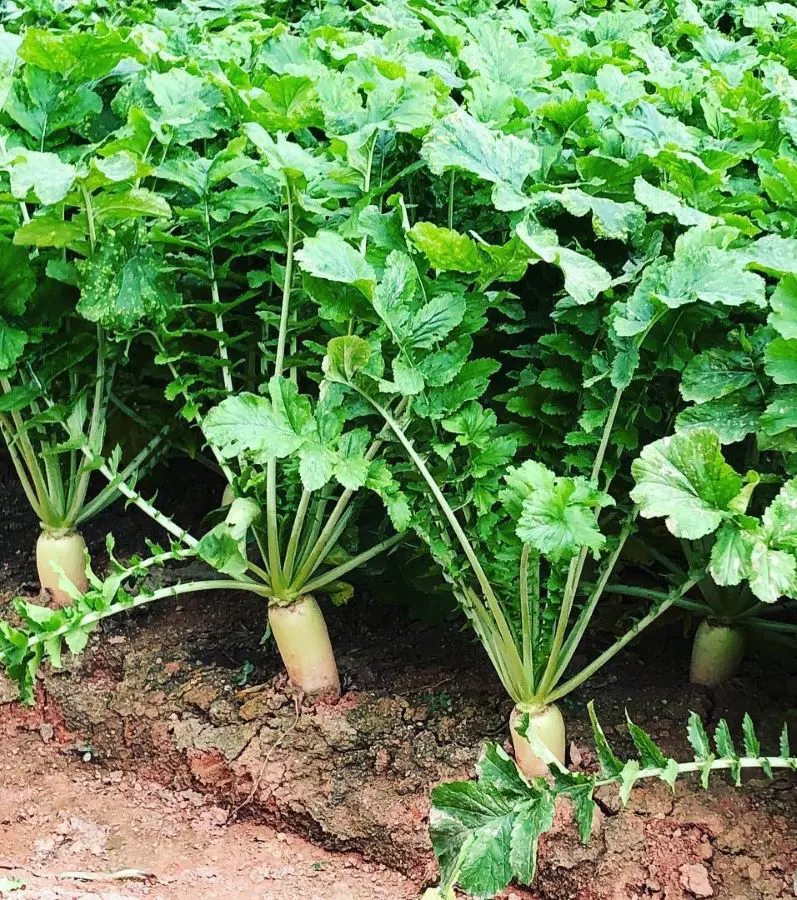
Radish goes well as a companion plant with cucumber. As they grow, their roots help break up compacted soil, improving drainage and aeration. This is beneficial for cucumbers, which prefer well-drained soil to prevent root rot.
The strong scent of radish can mask the smell of cucumbers, making them less attractive to pests such as cucumber beetles. When planting them together, maintain a good balance and do not overcrowd the plants.
- Scientific Name: Raphanus sativus
- Plant Type: Annual root vegetable
- Growing Conditions: Cool weather; well-drained soil
- Companion Plants: Beets, carrots, lettuce
4. Dill
Dill is a fast-growing, annual herb native to Eurasia and widely cultivated for its culinary uses. It features feathery, fern-like leaves and small yellow flowers that bloom in clusters.
Dill flowers attract pollinators like bees and butterflies, which can help improve the pollination of your cucumber plants. Moreover, the strong scent of dill is believed to deter some harmful insects, such as aphids and squash bugs, that can damage cucumber plants.
- Scientific Name: Anethum graveolens
- Plant Type: Annual herb
- Growing Conditions: Full sun; well-drained soil
- Companion Plants: Cabbage, corn, cucumbers
5. Borage
Borage is a beautiful and versatile annual herb with vibrant blue, star-shaped flowers. Its vibrant flowers are a magnet for bees and other beneficial insects, which helps improve the pollination of cucumber plants, leading to increased fruit yield.
When companion planting for cucumbers, borage's deep taproots help to loosen compacted soil and improve drainage. It also helps to fix nitrogen in the soil, which benefits all plants in the vicinity.
- Scientific Name: Borago officinalis
- Plant Type: Annual herb
- Growing Conditions: Full sun to partial shade; well-drained soil
- Companion Plants: Squash, strawberries, tomatoes
6. Beans
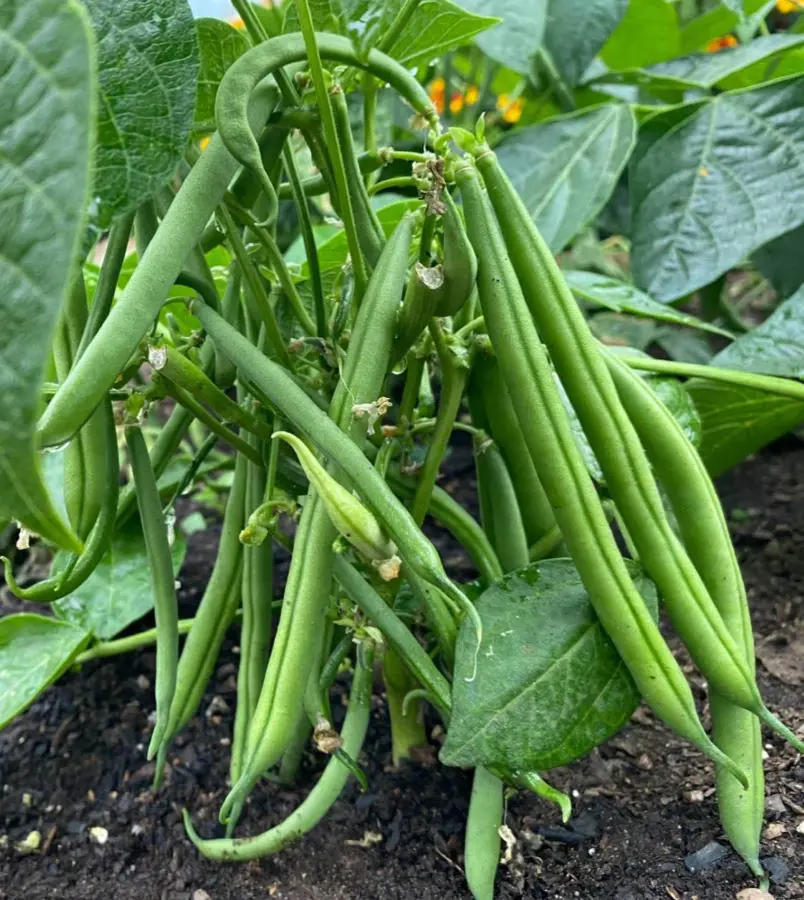
Beans, especially bush beans, are excellent companions for cucumbers. These legumes, members of the Fabaceae family, have root systems that contain special bacteria that fix nitrogen from the air and convert it into a usable form for plants.
Cucumbers, heavy feeders, benefit greatly from this extra nitrogen boost, leading to healthier growth and potentially higher yields. To maximize the benefits, plant bush beans at the base of your cucumber trellises.
- Scientific Name: Phaseolus vulgaris
- Plant Type: Annual legume
- Growing Conditions: Full sun; well-drained soil
- Companion Plants: Carrots, corn, cucumbers
7. Lettuce
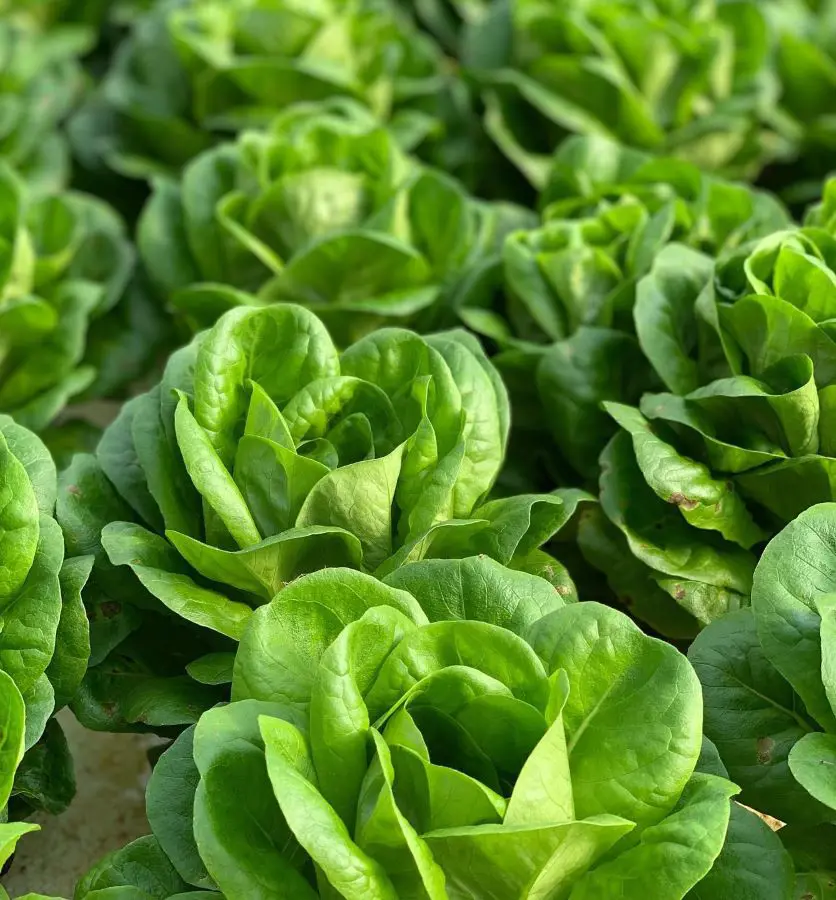
Lettuce and cucumbers can be considered companion plants, even though they don't offer each other specific growth benefits. They coexist peacefully and share similar needs, making them easy garden neighbors.
The benefit lies in space utilization and shade. Lettuce, with its shallow roots, thrives in the partial shade provided by the vining cucumber plants. This helps prevent lettuce from bolting (premature flowering) during hot weather. Additionally, planting them together simplifies watering needs as both require similar moisture levels.
- Scientific Name: Lactuca sativa
- Plant Type: Annual leafy vegetable
- Growing Conditions: Partial shade; moist, well-drained soil
- Companion Plants: Carrots, radishes, strawberries
8. Corn
Corn can be a great companion plant for cucumbers, as the tall corn stalks act as natural trellises for vining cucumbers, saving space and preventing the fruits from touching the soil (where they could rot).
It also helps shade cucumber plants during the hottest part of the day, preventing sunburn and promoting healthy growth. To reap these benefits, plant early-maturing corn varieties and sow cucumber seeds 12 inches apart, alongside the corn, after it's established.
- Scientific Name: Zea mays
- Plant Type: Annual cereal grain
- Growing Conditions: Full sun; rich, well-drained soil
- Companion Plants: Beans, peas, squash
9. Onions
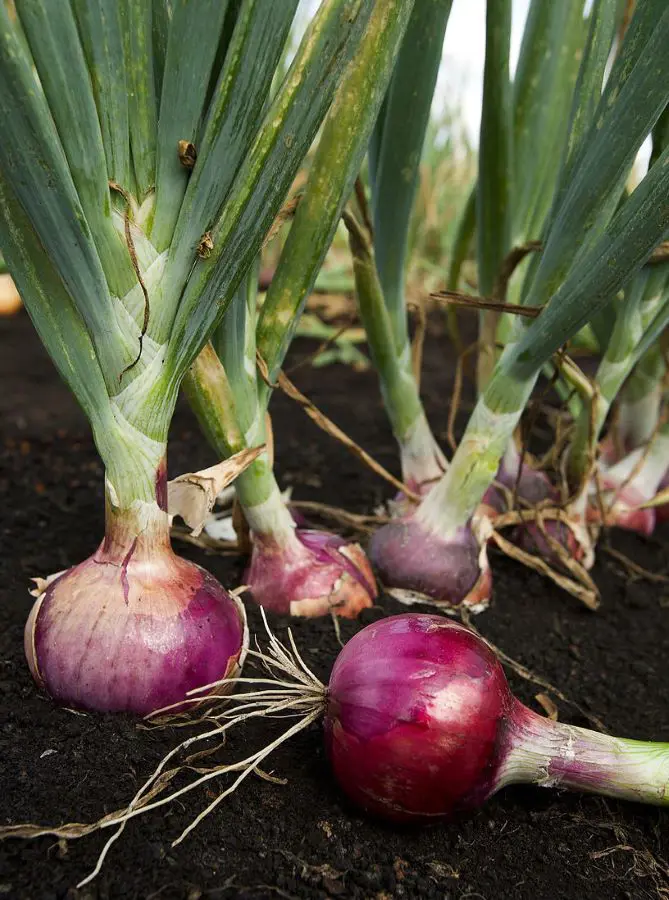
Onions belong to the Allium family. These plants are known for their strong-smelling compounds that repel certain pests like aphids and cucumber beetles. Their shallow root systems also complement the deeper taproot of cucumbers, minimizing competition for water and nutrients in the soil.
For maximum benefit, you can plant onions in alternating rows or around the perimeter of your cucumber bed. Remember, good garden practices like proper spacing, watering, and pest control are still crucial for a successful harvest.
- Scientific Name: Allium cepa
- Plant Type: Biennial bulb vegetable
- Growing Conditions: Full sun; fertile, well-drained soil
- Companion Plants: Carrots, lettuce, tomatoes
10. Garlic
Garlic, a member of the allium family, is a fantastic companion plant for cucumbers. Its strong scent repels common cucumber pests like aphids and beetles. Additionally, garlic improves soil quality and nutrient availability for cucumbers, leading to better growth and the potential for higher yields.
Growing garlic around the base of your cucumber plants ensures they receive adequate sunlight. Avoid planting them too close, as garlic can shade the cucumbers.
- Scientific Name: Allium sativum
- Plant Type: Perennial bulb vegetable
- Growing Conditions: Full sun; well-drained soil
- Companion Plants: Lettuce, pepper, tomato
11. Sunflowers

Sunflowers are excellent companions for cucumbers for several reasons. Firstly, their tall stalks offer much-needed shade for sun-sensitive cucumber plants, especially during the hottest parts of the day.
Secondly, their sturdy stems can act as natural trellises for vining cucumber varieties, saving space in your garden. Additionally, sunflowers attract beneficial insects like ladybugs and lacewings, which prey on cucumber beetles, a common pest.
- Scientific Name: Helianthus annuus
- Plant Type: Annual flowering plant
- Growing Conditions: Full sun; well-drained soil
- Companion Plants: Nasturtiums, marigolds, radishes
12. Tomatoes
Surprisingly, tomatoes can be companion plants for cucumbers! Both thrive in similar conditions: warm temperatures, full sun, and well-drained soil. This allows for efficient use of space and simplifies care. However, be mindful of spacing.
Plant them at least 18–24 inches apart to avoid competition for light, nutrients, and water. While they share some benefits, being closely related means they are susceptible to similar diseases. Consider planting them in separate raised beds or using a crop rotation strategy to mitigate this risk.
- Scientific Name: Solanum lycopersicum
- Plant Type: Annual vine vegetable
- Growing Conditions: Full sun; fertile, well-drained soil
- Companion Plants: Basil, carrots, peppers
13. Peppers
Peppers and cucumbers make surprisingly good companions due to their contrasting growth habits. Cucumbers, typically vining plants, can act as living mulch for peppers, suppressing weeds and retaining soil moisture. In return, peppers, with their more compact bush, don't compete for space or sunlight with the climbing cucumbers.
To maximize benefits, plant peppers in front of a trellis or other support for the cucumbers, ensuring the peppers receive adequate sunlight. Both plants thrive in similar conditions, so planting them together simplifies your watering and fertilizing routine.
- Scientific Name: Capsicum annuum
- Plant Type: Annual fruiting vegetable
- Growing Conditions: Full sun; fertile, well-drained soil
- Companion Plants: Basil, onions, tomatoes
14. Peas
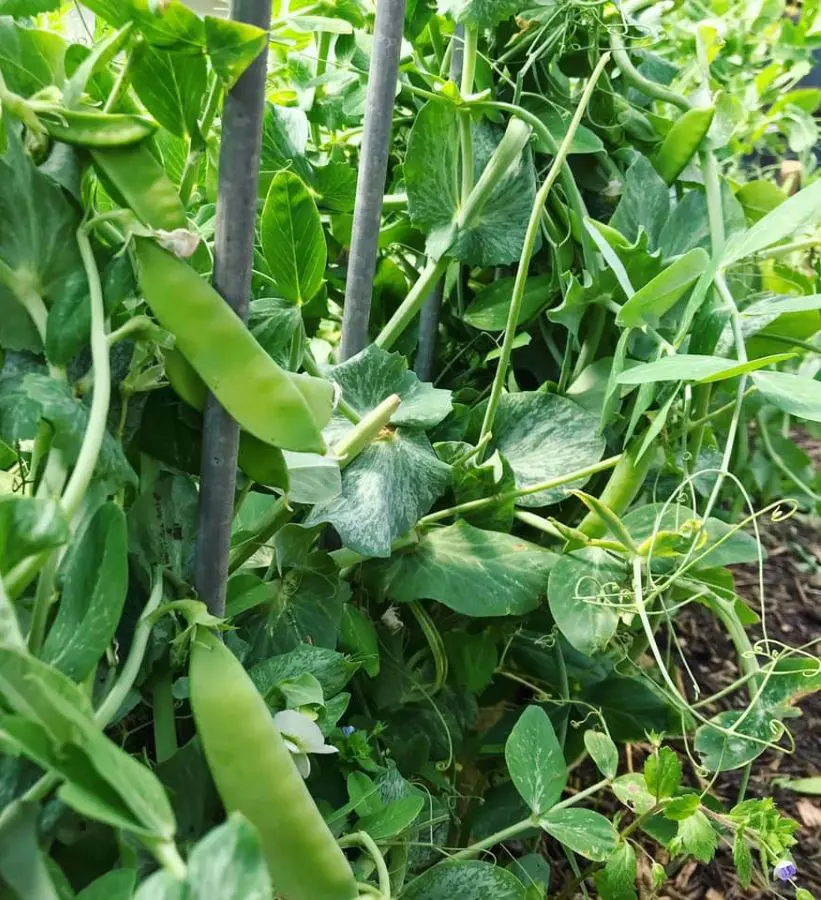
Peas are excellent companions for cucumbers for two main reasons: nitrogen fixation and space efficiency. Peas, like other legumes, have root nodules that contain beneficial bacteria that convert atmospheric nitrogen into a usable form for plants.
This enriches the soil, benefiting nitrogen-loving cucumbers. Additionally, peas are shallow-rooted, allowing them to coexist peacefully with cucumbers without competing for water and nutrients. Planting peas around the base of your cucumber plants or in alternating rows helps optimize nitrogen fixation and space utilization.
- Scientific Name: Pisum sativum
- Plant Type: Annual legume
- Growing Conditions: Cool weather, well-drained soil rich in organic matter
- Companion Plants: Carrots, radishes, cucumbers
15. Celery
Cucumbers, especially vining varieties, can provide much-needed shade for celery in the hot summer sun. This helps prevent bolting (going to seed prematurely) and keeps the celery stalks cool and crisp.
Additionally, the cucumber leaves act as a living mulch, helping retain moisture in the soil. This is beneficial for both plants as they both require consistent moisture. Celery also repels whiteflies, a common pest on cucumbers.
- Scientific Name: Apium graveolens
- Plant Type: Biennial leafy vegetable
- Growing Conditions: Full sun to partial shade; moist, well-drained soil
- Companion Plants: Cabbage, onions, tomatoes
16. Carrots
While not offering a direct benefit like some companions, carrots make good neighbors for cucumbers due to their non-competitive root systems. Cucumbers have a shallow root system, while carrots send their roots deep into the soil.
This means they don't compete for water and nutrients, allowing them to coexist peacefully. Additionally, some gardeners believe carrots may help deter certain pests, like cucumber beetles
- Scientific Name: Daucus carota
- Plant Type: Biennial root vegetable
- Growing Conditions: Full sun; loose, well-drained soil
- Companion Plants: Beans, lettuce, onions
17. Beets
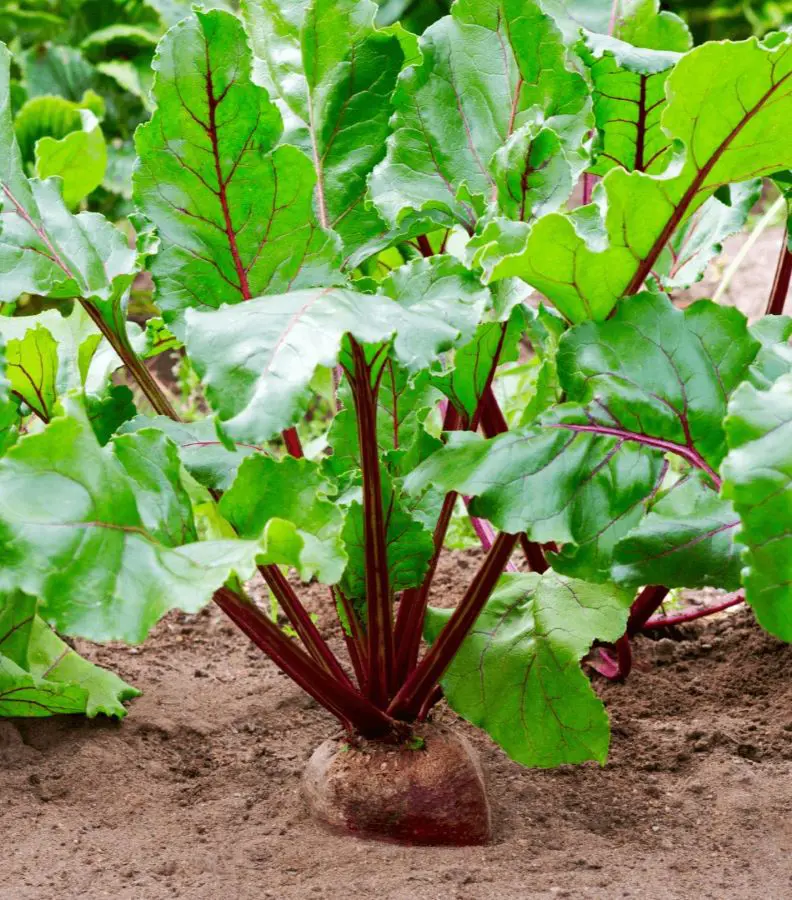
Beets are root vegetables with vibrant purple or red foliage. They are a cool-season crop and prefer full sun. To plant them with cucumbers, sow beet seeds 2-3 weeks before planting cucumbers. Space beet seeds 2-3 inches apart in rows 12–18 inches apart.
Beets have a deep taproot, reaching down for water and nutrients, while cucumbers have shallow roots that spread horizontally. This prevents competition for resources in the soil.
- Scientific Name: Beta vulgaris
- Plant Type: Biennial root vegetable
- Growing Conditions: Loose, well-drained soil; full sun to partial shade
- Companion Plants: Lettuce, onions, carrots
18. Oregano
Oregano is a fragrant herb known for its culinary uses and its role as a cucumber companion plant. Its strong aroma repels common cucumber pests like aphids and squash bugs, creating a natural defense for your crop. Additionally, oregano flowers attract beneficial insects like ladybugs, which further aid in pest control.
Oregano, a lavender companion plant, thrives in full sun and well-drained soil. To benefit from their companionship, plant oregano around the base of your cucumber plants or in between rows. Make sure they have enough space to grow comfortably without competing for resources.
- Scientific Name: Origanum vulgare
- Plant Type: Perennial herb
- Growing Conditions: Full sun; well-drained soil
- Companion Plants: Peppers, tomatoes, basil


21 Best Companion Plants for Tomatoes
20 Best Potato Companion Plants for a Thriving Potatoes Garden

20 Companion Plants for Peppers
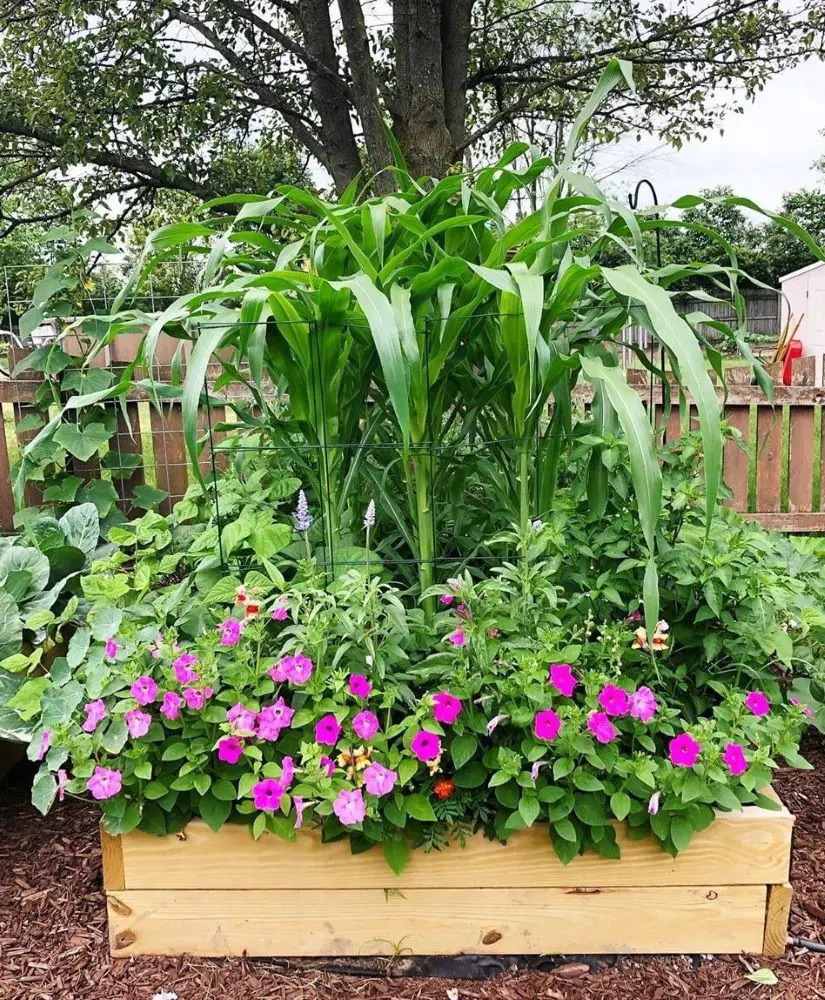
Best Companion Plants To Grow With Corn
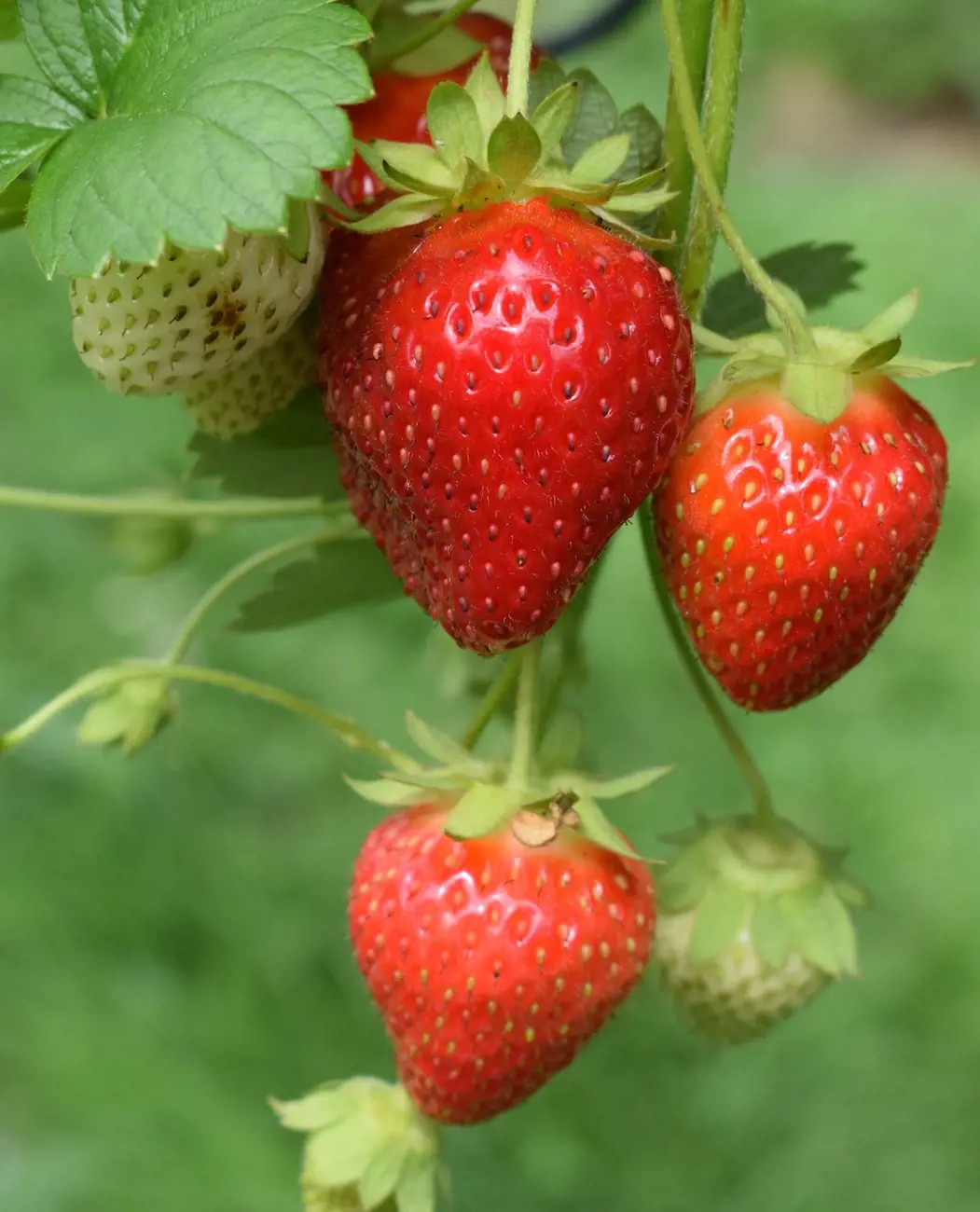
20 Companion Plants To Grow With Strawberries
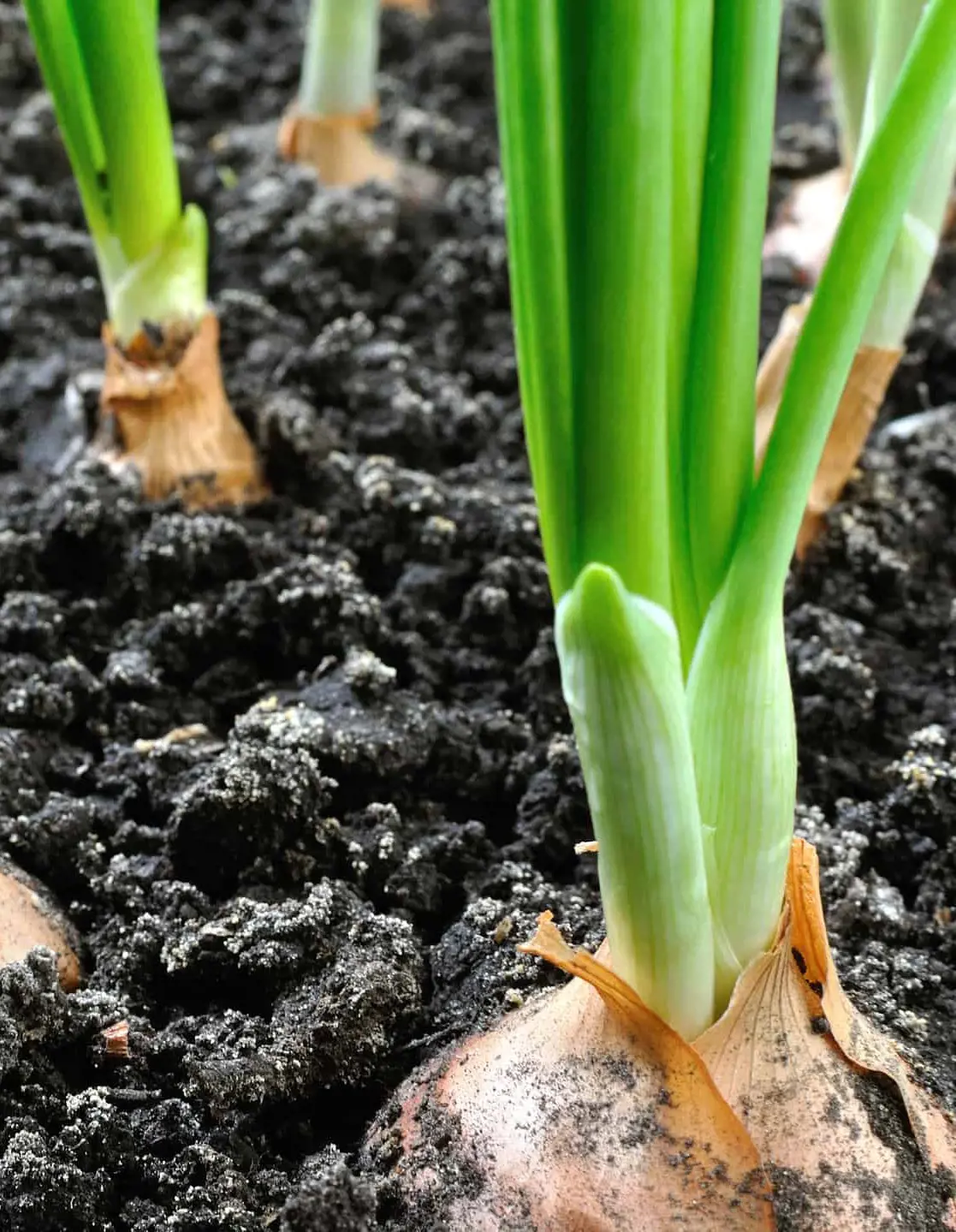
20 Onion Companion Plants for Organic Gardens