What Do Monkeys Eat? Diet Types & Feeding Habits

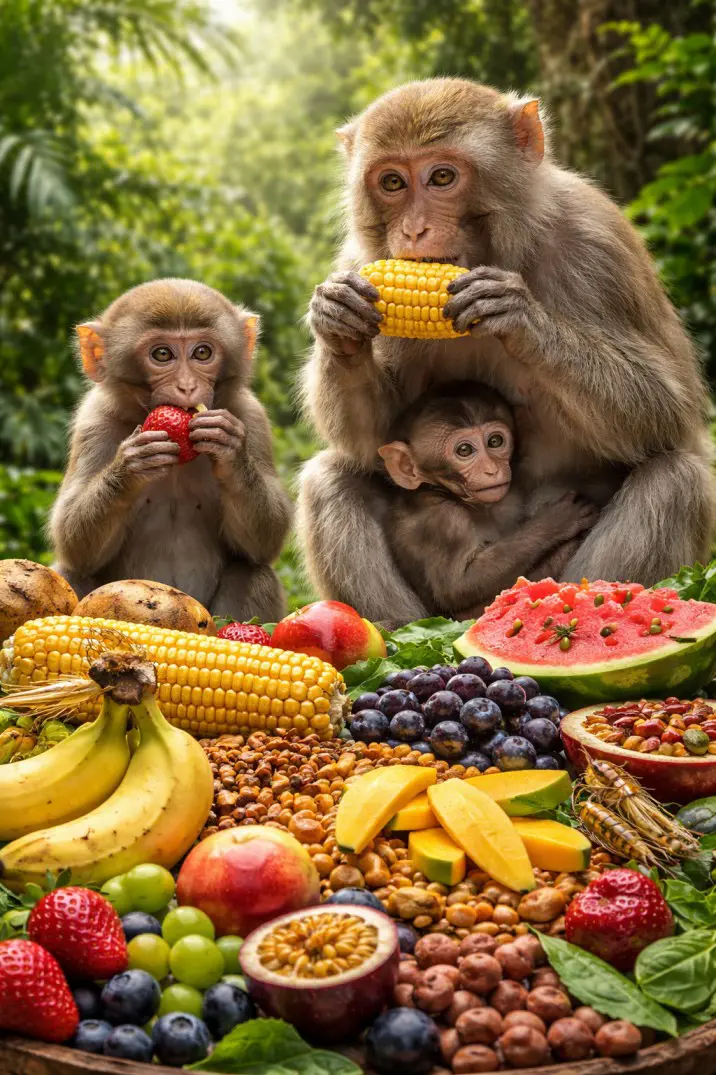
Monkeys are among the most intelligent and adaptable animals in the world. Found across Africa, Asia, Central America, and South America, these primates thrive in diverse environments - from dense rainforests to mountainous regions and even urban areas.
Monkeys are generally omnivores, meaning they eat both plant and animal matter. However, their exact diet depends on their species, habitat, season, and food availability. Let’s explore the fascinating world of monkey diets in detail.
Are Monkeys Herbivores, Omnivores, or Carnivores?
Most monkeys are omnivores. This means they consume a mixture of:
-
Fruits
-
Leaves
-
Seeds
-
Flowers
-
Insects
-
Small animals
While many species rely heavily on plant-based foods, they also supplement their nutrition with protein from insects or small animals when available. Their flexible eating habits help them survive in changing environments.
Fruits: A Major Part of a Monkey’s Diet
Fruits are one of the most important foods for many monkey species. Tropical forests provide a rich supply of:
-
Bananas
-
Mangoes
-
Papayas
-
Figs
-
Berries
Fruits provide natural sugars for energy, along with essential vitamins and minerals. In fact, some monkey species are considered frugivores, meaning fruit makes up the majority of their diet.
Monkeys play a crucial ecological role as seed dispersers. When they eat fruit, they spread seeds through their droppings, helping forests regenerate and grow.
Leaves, Flowers, and Plant Matter
Not all monkeys depend heavily on fruit. Some species consume large amounts of leaves and plant materials. Leaves provide fiber and nutrients, although they are harder to digest.
Leaf-eating monkeys typically have specialized digestive systems that allow them to process tough plant fibers. Their strong jaws and specialized teeth help them chew fibrous vegetation efficiently.
They may also eat:
-
Young shoots
-
Tree bark
-
Flowers
-
Buds
This plant-based diet is especially common in forest-dwelling monkeys.
Insects and Small Animals
To balance their diet, many monkeys eat protein-rich foods such as:
-
Ants
-
Termites
-
Beetles
-
Caterpillars
-
Grasshoppers
Some larger monkey species may even consume:
-
Bird eggs
-
Small birds
-
Lizards
-
Small rodents
Animal-based foods provide important nutrients like protein, iron, and fats, which are essential for growth and muscle development.
Diet Differences by Habitat
Monkey diets vary significantly depending on where they live.
Rainforest Monkeys
Monkeys living in tropical rainforests have access to abundant fruits year-round. Their diets are typically fruit-heavy with occasional insects and leaves.
Savanna Monkeys
Monkeys in drier regions eat more seeds, grasses, roots, and small animals due to limited fruit availability.
Mountain Monkeys
In mountainous regions, monkeys rely more on leaves, bark, and seasonal plants.
This adaptability is one of the main reasons monkeys have successfully survived in many parts of the world.
Do Monkeys Eat Human Food?
In areas where monkeys live near humans, they often consume:
-
Bread
-
Rice
-
Chips
-
Sweets
-
Leftover food
While monkeys may enjoy these foods, they are not healthy. Processed human food can cause obesity, tooth decay, and digestive issues in monkeys. Wildlife experts strongly discourage feeding monkeys because it disrupts their natural diet and behavior.
Baby Monkeys and Their Diet
Baby monkeys begin life drinking their mother’s milk. This provides essential nutrients and antibodies for early development.
As they grow, young monkeys gradually learn to eat solid foods by observing their mothers and other group members. This learning process is important because monkeys must recognize safe and nutritious food sources in the wild.
How Monkeys Find and Choose Food
Monkeys are intelligent problem-solvers. They use several strategies to find food:
-
Strong memory to remember fruiting trees
-
Social learning from group members
-
Skilled climbing abilities
-
Tool use (in some species)
Certain monkeys even use sticks or stones to access hard-to-reach food, demonstrating impressive cognitive skills.
Seasonal Changes in Diet
Food availability changes throughout the year. During fruit shortages, monkeys adapt by increasing their intake of:
-
Leaves
-
Seeds
-
Insects
-
Bark
This seasonal flexibility helps them survive periods of scarcity. Their varied diet reduces dependence on a single food source.
Foods Monkeys Should Not Eat
Although monkeys are flexible eaters, some foods are harmful:
-
Processed junk food
-
Sugary snacks
-
Salty foods
-
Alcohol
-
Chocolate
In captivity, zookeepers carefully plan balanced diets that mimic natural feeding habits to keep monkeys healthy.
Final Thoughts
From sweet fruits and leafy greens to insects and small animals, monkeys are adaptable omnivores capable of thriving in diverse environments.
Their diet depends on species, location, season, and food availability. While they may eat human food when given the opportunity, their natural diet is far healthier and essential for survival in the wild.
Understanding what monkeys eat not only satisfies curiosity but also highlights the importance of protecting their habitats. A healthy environment ensures monkeys have access to the diverse foods they need to thrive.

What Do Moose Eat? Diet and Feeding Habits
What Do Zebras Eat? Diet and Feeding Habits

What Do Zooplankton Eat? A Comprehensive Guide to Their Diet
What Animals Eat Snakes? Top Snake Predators in the Wild

What Do Squirrels Eat In Your Home And Yard
What Do Mice Eat In Your Home And Wild