20 Incredible Eggplant Companion Plants

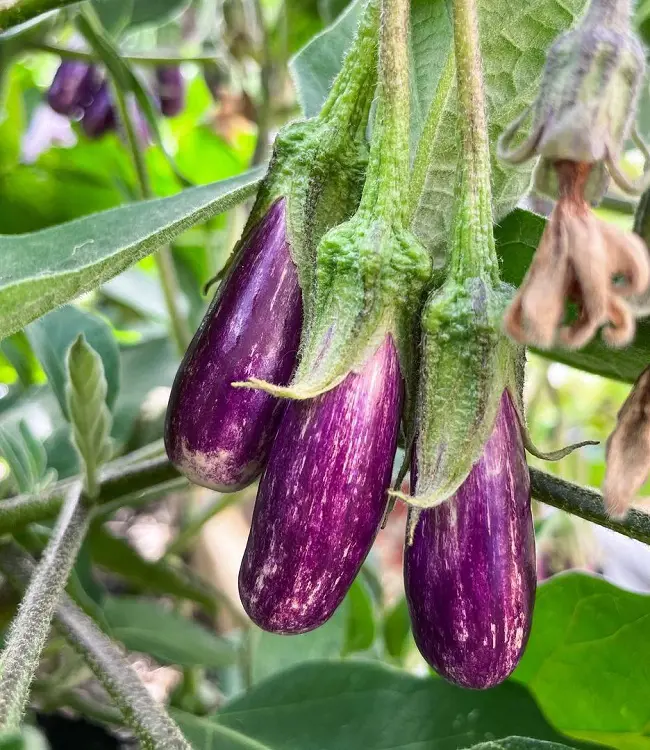
Eggplant is considered a high-maintenance plant that needs tons of sun and consistent watering. Additionally, these plants are prone to insect attacks but there are companion plants for eggplant that will make growing them less complicated.
Now, companion planting is a way of gardening that involves growing plants together to benefit from each other's health and growth. It is based on the idea that certain plants contain properties that can positively influence neighboring plants.
So, dive into the list of our comprehensive guide on eggplant companion plants and know better about the benefits of growing them together.
1. Beans
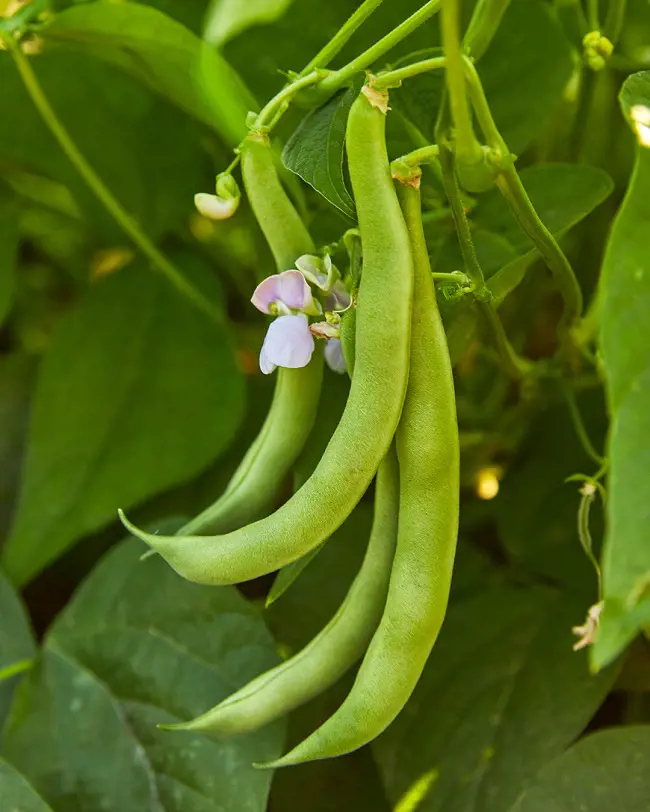
Beans are a type of legume that will help to improve the performance of the eggplant when grown as a companion plant. Green beans or pole beans can be interplant with eggplant as they fix the nitrogen and boost the nutrients of the soil.
This is because they do not need the same nutrients, and they do not compete with each other. Similarly, Planting eggplant along with beans that the eggplant is safe from the attacks of the Colorado Potato beetle. This method is an even richer, better, and cheaper way of applying compared to expensive fertilizers. You can also plant eggplant after you harvest your beans to get a perfect result.
2. Lettuce
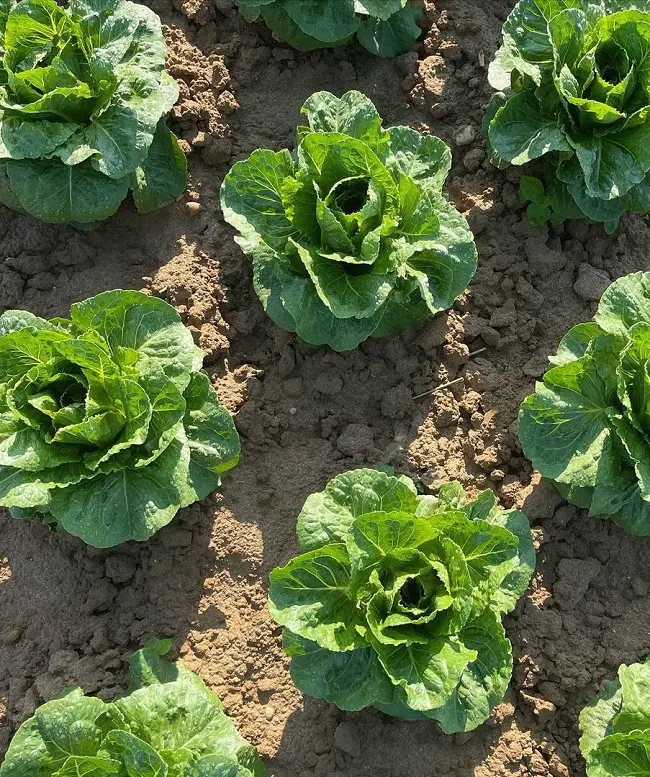
This green vegetable has a shallow root system, which complements the deeper root of eggplants. Lettuce benefits eggplant as ground cover which helps with moisture retention in the soil and prevents other weeds. In return, the eggplant benefits the lettuce by providing much-needed shade that is needed to grow during the hot summer months.
These perfect-for-each-other plants provide you with a bountiful harvest of delicious vegetables Moreover, lettuce is a fast-growing vegetable plant that can be harvested before it interferes with the growth of eggplant. This allows gardeners to increase the productivity of the garden and enjoy good harvesting. This is the reason why, lettuce and eggplant is considered good companion vegetable.
3. Tomatoes
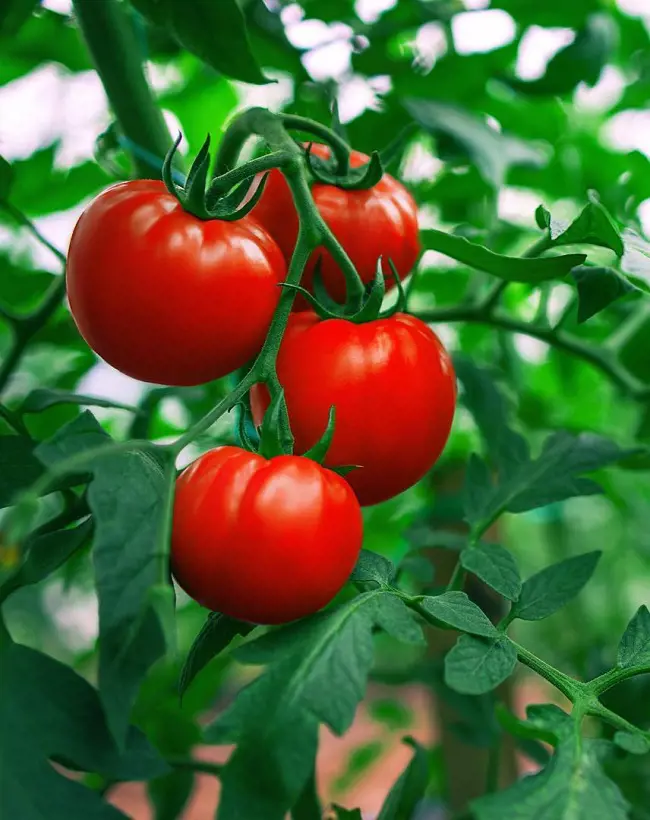
Similar to eggplant, tomatoes also belong to the same vegetable family, which is nightshade. So, it is better to grow companion plants that are in the same vegetable family. Nightshade vegetables like eggplant and tomatoes can survive similar growing conditions.
If your climate suits the eggplant, without any doubt, it will suit tomatoes as well. Moreover, tomatoes and eggplant have been known to benefit each other's flavor when grown together in a similar environment. But as they are in the same family, they may attract similar pests and diseases. So, plan and manage carefully to get the optimum benefits.
4. Spinach
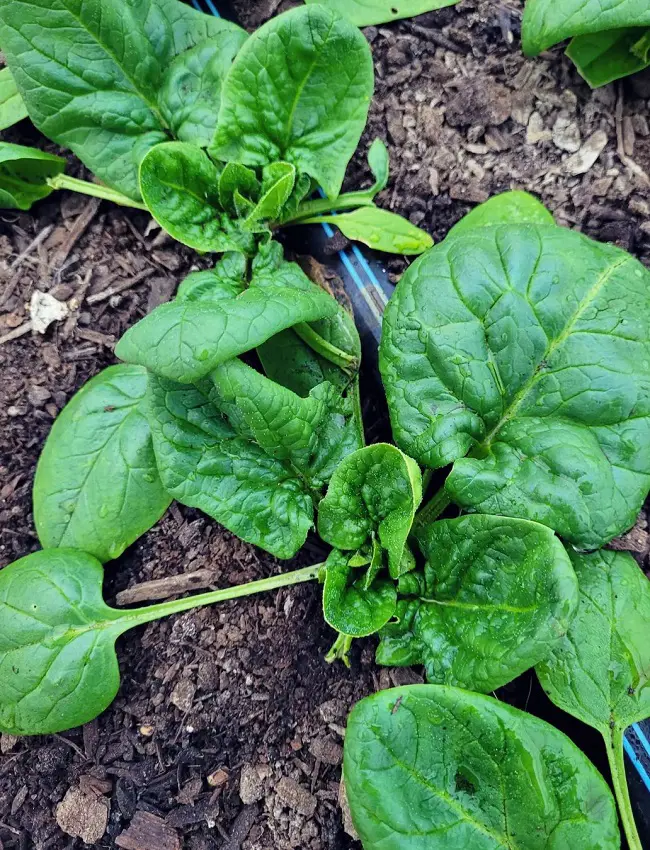
Spinach is one of the best companion plants for eggplant because of several beneficial components. Firstly, spinach has a shallow root system like lettuce which complements the deeper roots of eggplant. This allows both plants to utilize soil nutrients without competing for resources.
This leafy green vegetable also protects eggplants by acting as a living barrier against certain types of pests and insects. These two companion plant enhances the diversity of your garden ecosystem by attracting a wide range of beneficial insects. Also, the distinct growth habits of spinach and eggplants complement each other, allowing both crops to thrive side by side.
5. Nasturtiums
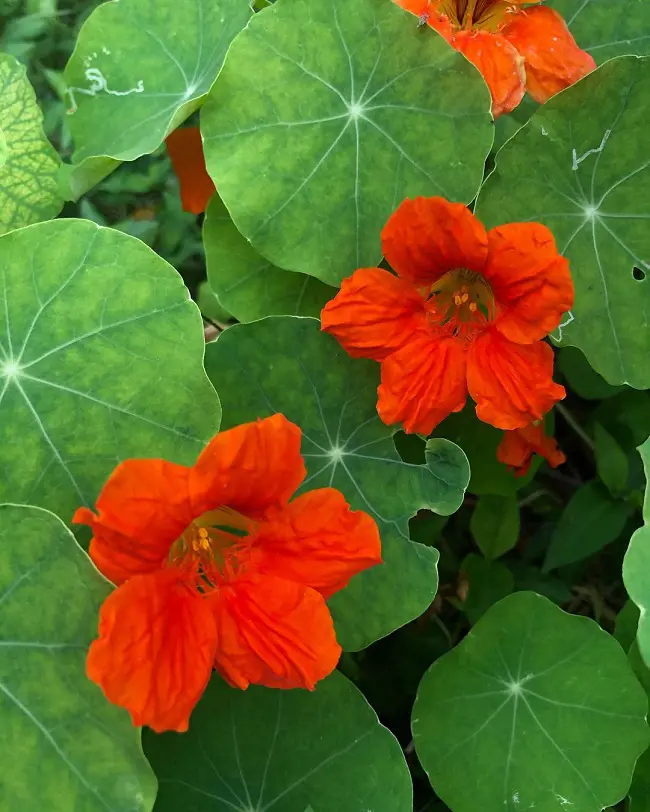
Planting flowers along with your food plant may not seem favorable at first, but nasturtiums make an excellent companion plant for eggplant. If you have never heard about this flower, you should definitely check it out as they are a great companion to almost any type of vegetable garden that can be grown by the month-by-month calendar.
Nasturtiums are natural peppery fragrance that attracts certain pests such as aphids and whiteflies. Instead of affecting your eggplant, they will feast on the flowers and help keep harmful pests away. They are also known for their ability to avoid fungal diseases like powdery mildew or other fungal soil disease.
6. Peppers
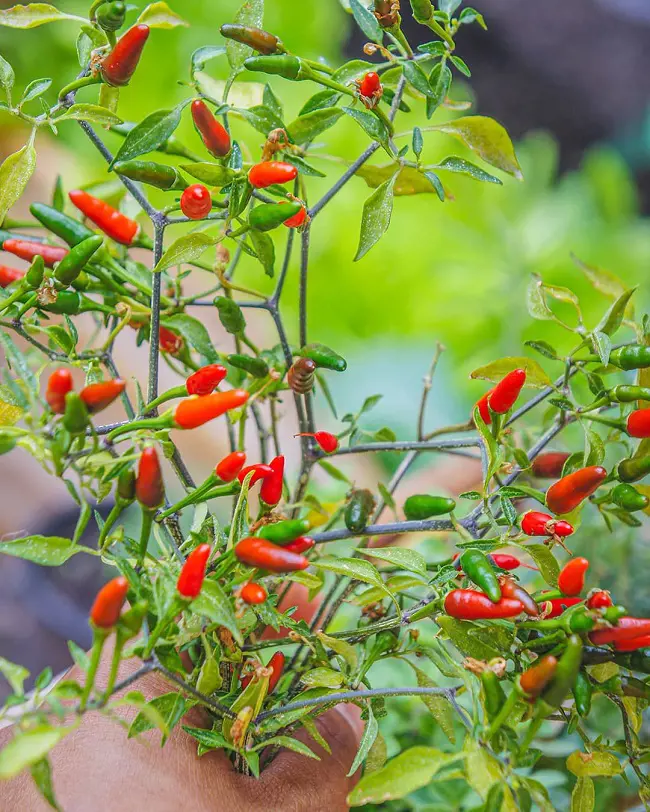
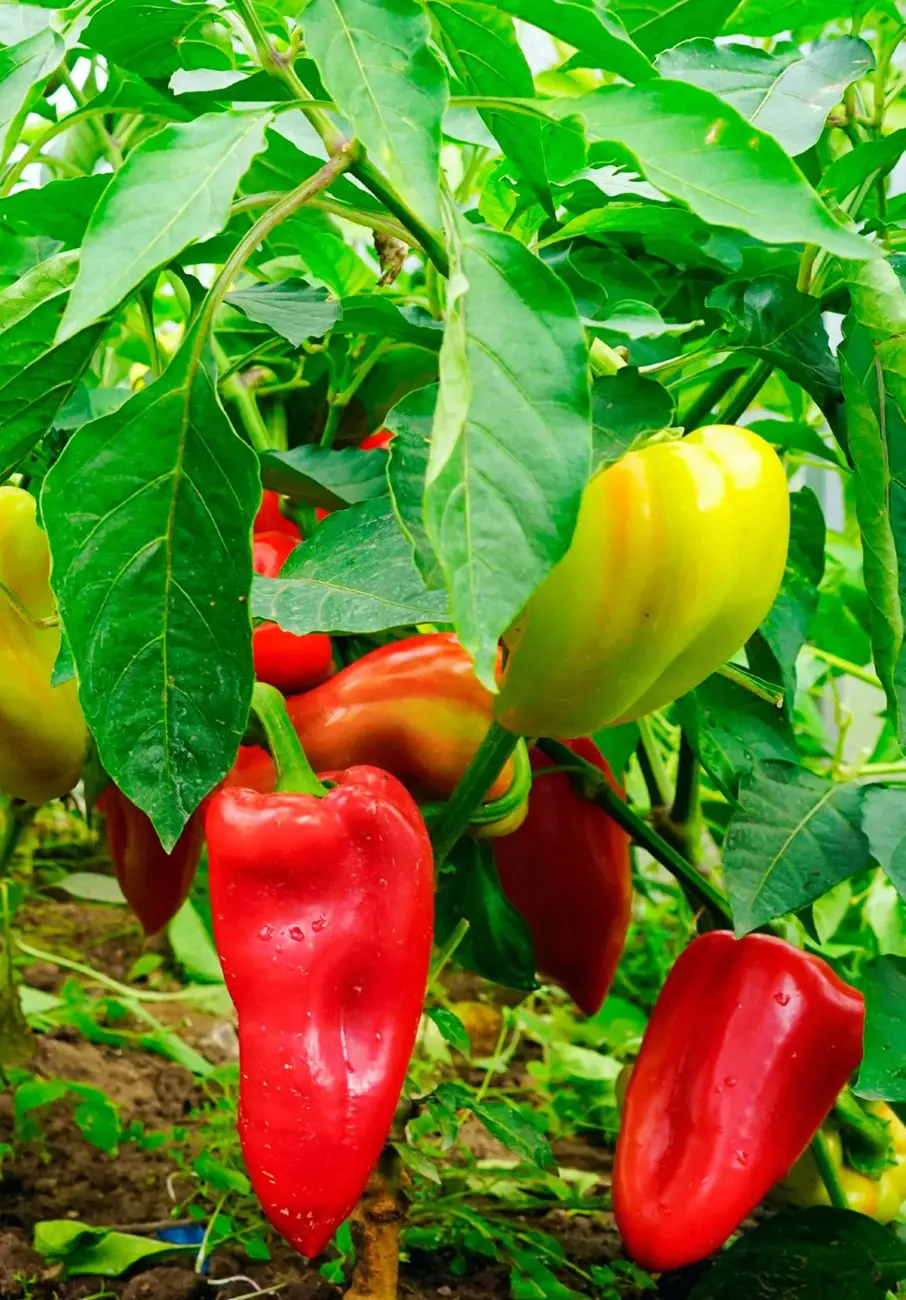
Both peppers and eggplants share similar growing requirements and tolerances. The compatibility between these plants allows them to thrive when planted together in your garden. Peppers can avoid certain pests that affect eggplant and work as a natural deterrent.
Moreover, the structure of pepper plants and eggplant complements each other and these growth habits ensure that both crops receive an abundance of sunlight without overshadowing each other. Also, rotating eggplant and pepper can help prevent the buildup of soil-borne diseases and pests that are specific to these plants.
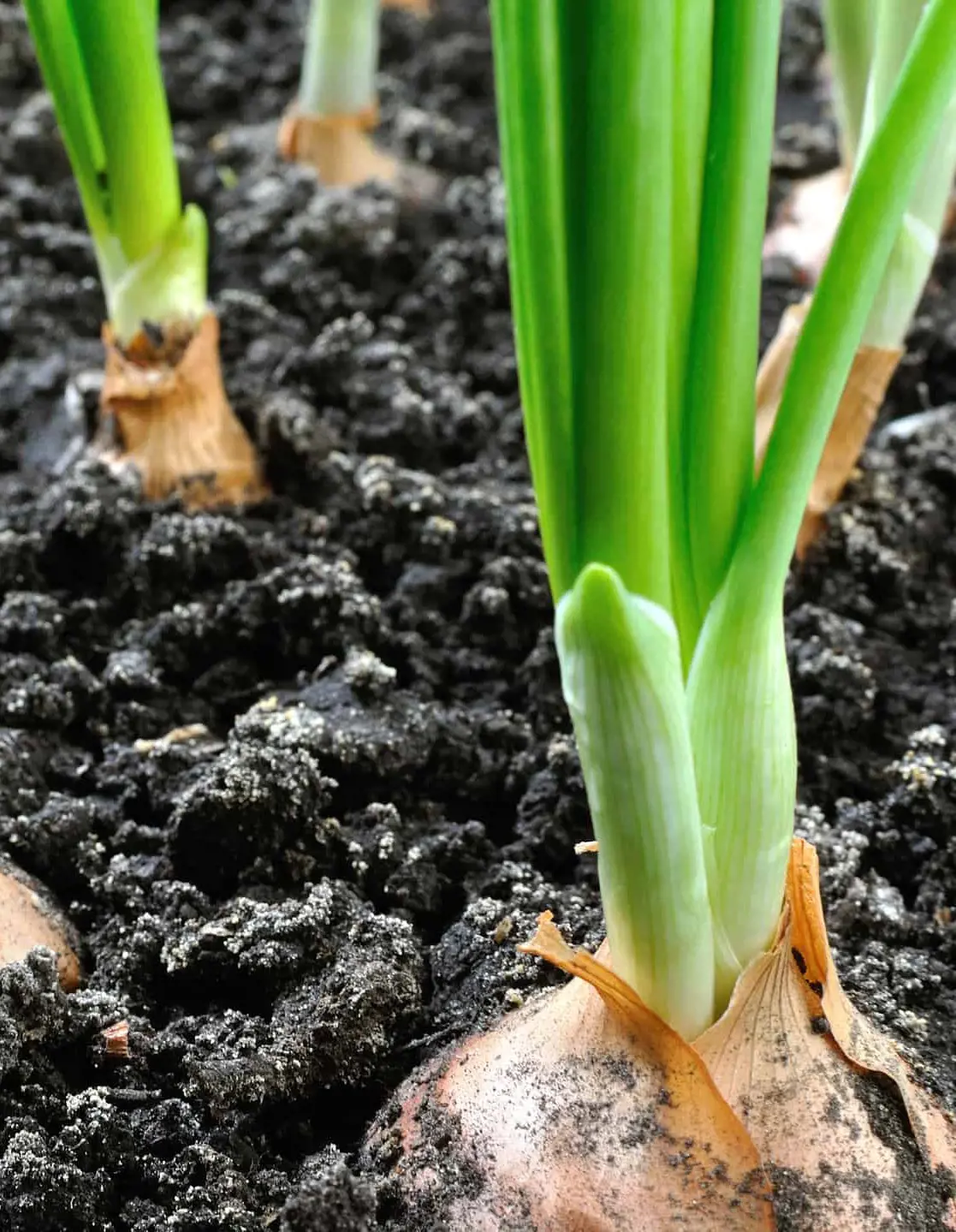
7. Onions
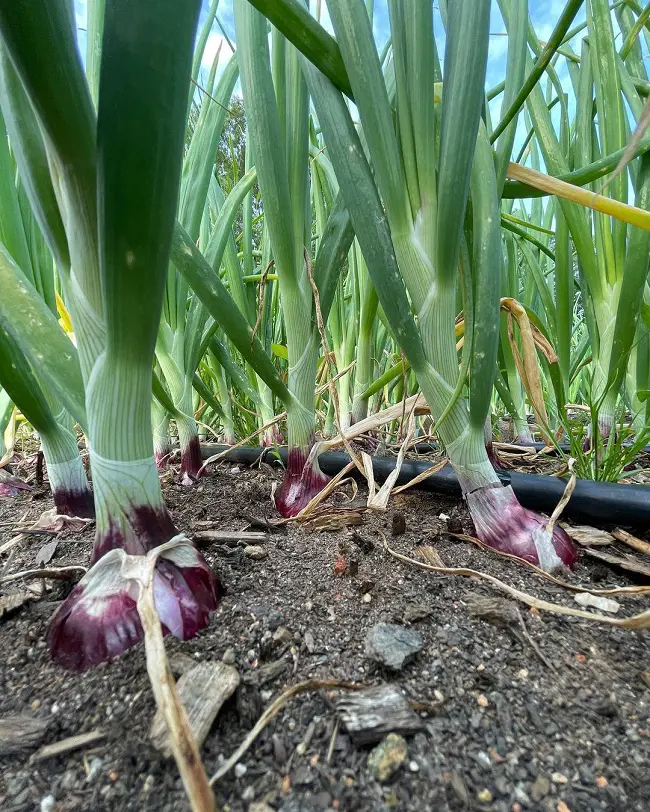
While growing onions it releases a strong scent that repels many insect pests, like thrips and aphids which attack eggplant. By choosing as a companion plant to eggplant, the pungent aroma of onions acts as a natural obstruction and promotes healthier growth for both crops.
The different growth habits of onions and eggplants are perfect as onions have low and compact structures, while eggplants are taller with bushier plants. This will allow the efficient use of garden space by preventing overshadowing. Also, weed is known to provide sulfur, a natural fungicide that reduces the risk of fungal diseases and contributes to a healthier garden environment.
8. Carrots
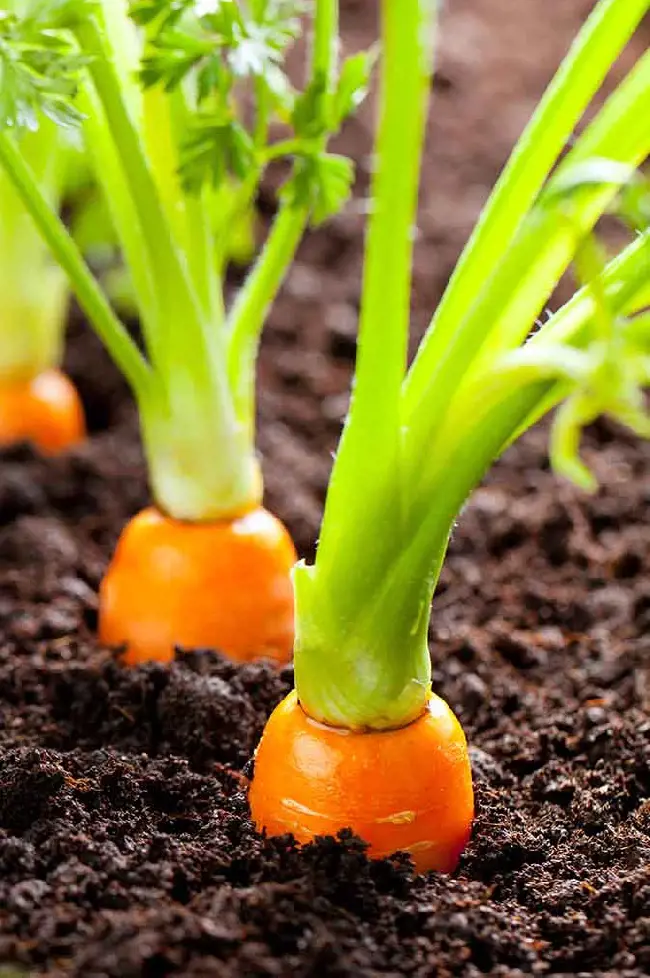
While you can definitely grow carrots in the spring season for an early summer harvest, make sure the carrot green doesn't shade your eggplant. For this companion, you may want to try midsummer planting for a fall vegetable harvest as you can maximize the space while preventing issues with sun exposure.
However, carrots can equally be grown in low sun exposure without harming their growth and also benefit the growth of eggplant. They can be squeezed in between your eggplant to receive an abundance of benefits out of every inch of your garden as much as possible. So, if you are considering a carrot as an eggplant companion then you must go for it.
9. Beets
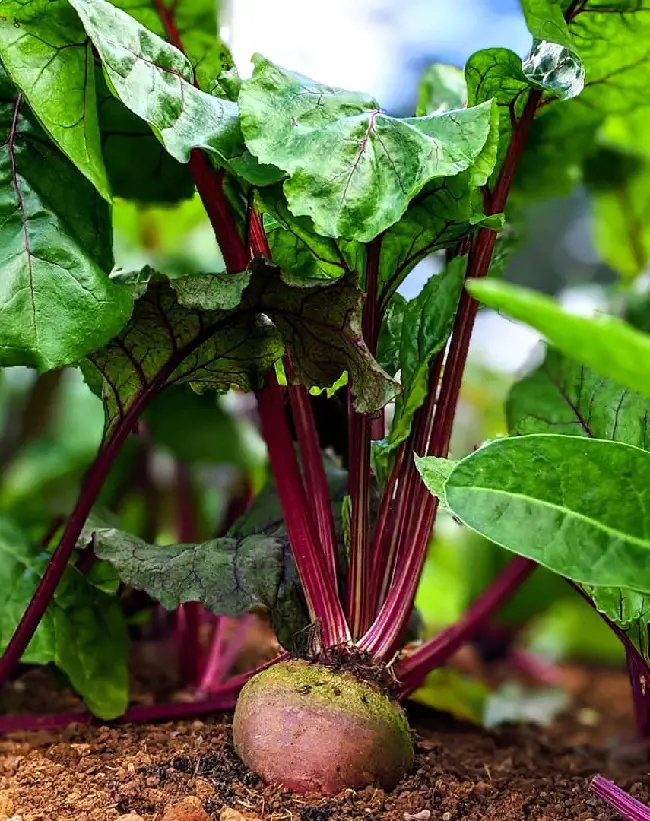
Beets are an excellent companion to grow with eggplant for a variety of reasons. Firstly, beets are known for their shallow root system while eggplants have deeper roots. This difference will allow them to use soil nutrients efficiently. Also, beets act as a natural repellent against some pests that target eggplants.
Just as well, beets can grow fast as compared to eggplant which can provide shading for the soil around the eggplant. This will help to retain moisture and reduce weed growth by creating a favorable environment for eggplant. Also, eggplant and beet have different harvesting times, which allows them for efficient space utilization which will benefit both food plants.
10. Peas
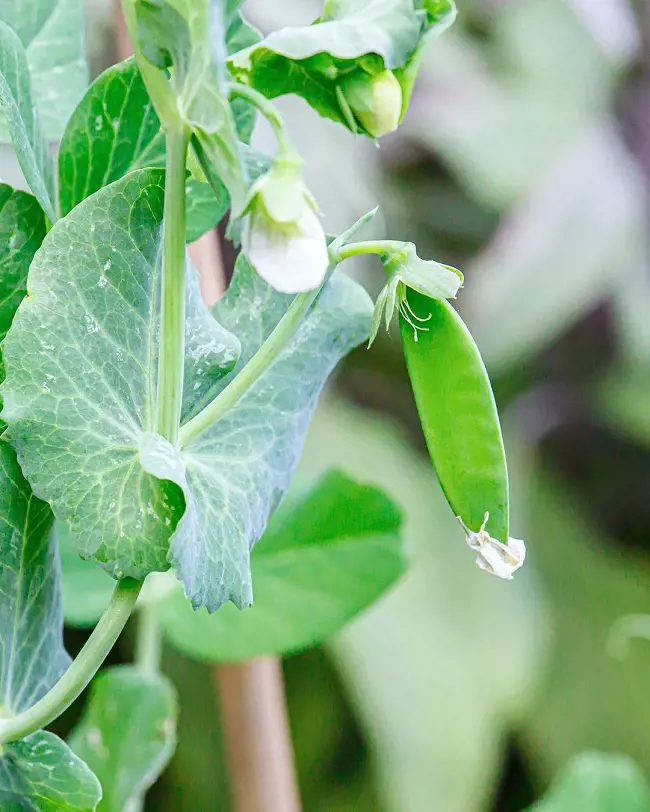
Peas are another type of legume that is brilliant at contributing vital nitrogen to the soil. Since eggplant requires more care and time, peas can benefit them in many ways. Peas can also be planted behind eggplant to save maximum space and utilize the space to grow another food plant.
When it comes to soil-draining bacteria, peas can have a good relationship with certain types of bacteria which help eggplant to grow more efficiently. This legume also provides carbohydrates to the bacteria, and the bacteria takes nitrogen from the air and feeds it to the legumes and promotes healthy growth.
11. Oregano
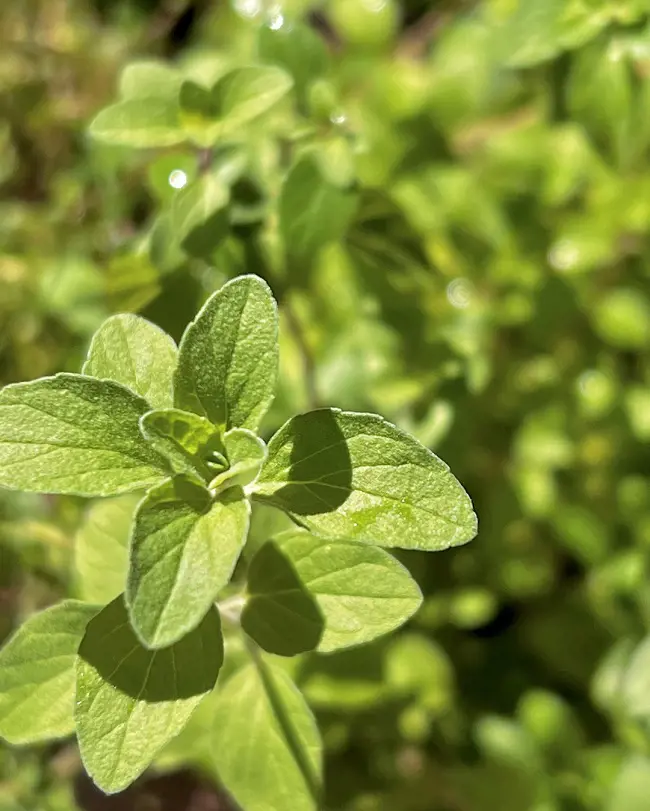
Oregano is known as a low-growing plant that helps to cover the soil by preventing water loss due to sunlight exposure. They also make the soil a bit cooler and help the growth of eggplant. Oregano is also useful for attracting beneficial inspectors and repelling harmful pests.
Because of their unique odor, oregano repel garden pests such as cabbage moths and aphids. This aromatic herb can also benefit the eggplant grown in your garden by attracting pollinators and increasing your overall crop yield. Plant oregano, eggplant, and tomato together, and you will get summer-long vegetables to enjoy at your home.
12. Chives
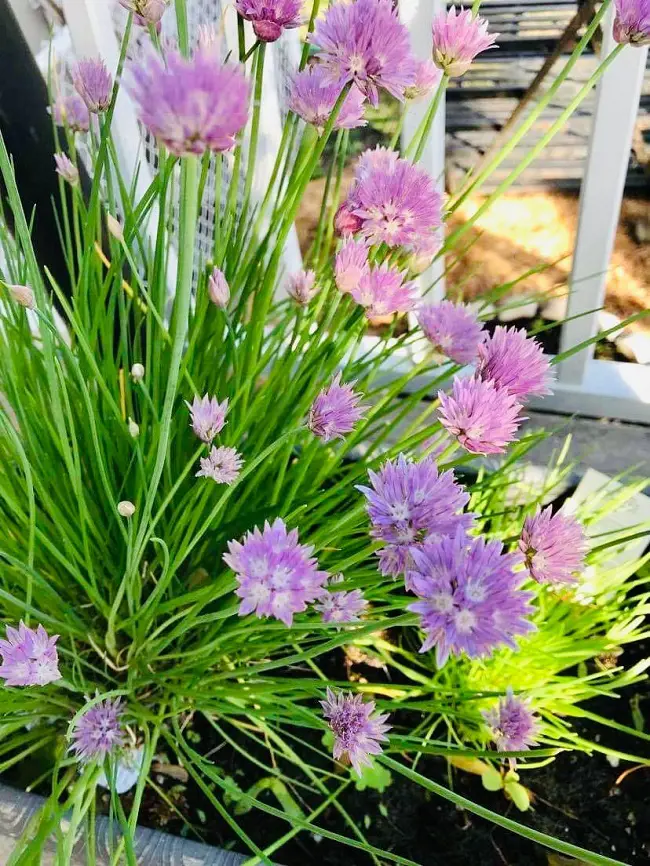
Chives may be the easiest herb to make a good companion along with varieties of plants such as eggplant, pepper, and kale. They grow beautifully in the low shade created by growing eggplants and seem to thrive there. These amazing herbs will also attract pollinators to your eggplant and repel harmful pests that are not necessary for the growth of the main plant.
These herbs are also known for their sulfur compounds. Growing chives along with eggplant is also believed to improve the flavor of the eggplant. If allowed to flower, chives can produce the most beautiful purple flower that is almost magnetic to predatory insects. So, chives can be also a suitable combination plant for eggplant.
13. Radish
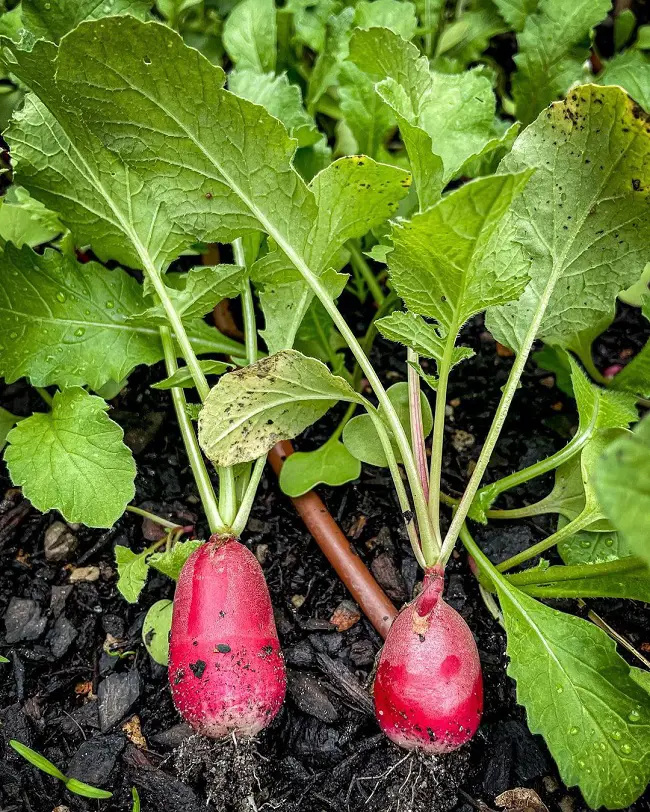
The shallow root system of radishes complements the deeper root of eggplant which allows both crops to use the soil nutrient efficiently. The growth of radishes can improve the soil conditions for eggplant by improving soil aeration and drainage. This will benefit the eggplant, as they prefer well-draining soil for their growth.
Certain types of insects are also attracted to radishes, so by interplanting them together, the pest and insects are drawn away from the main crop. This will minimize the damage to the eggplant leaves and improve their growth with no insects and pests. Unlike eggplant, radishes are fast-growing seeds that will allow early harvest without interfering with the growth of the eggplants.
14. Dill
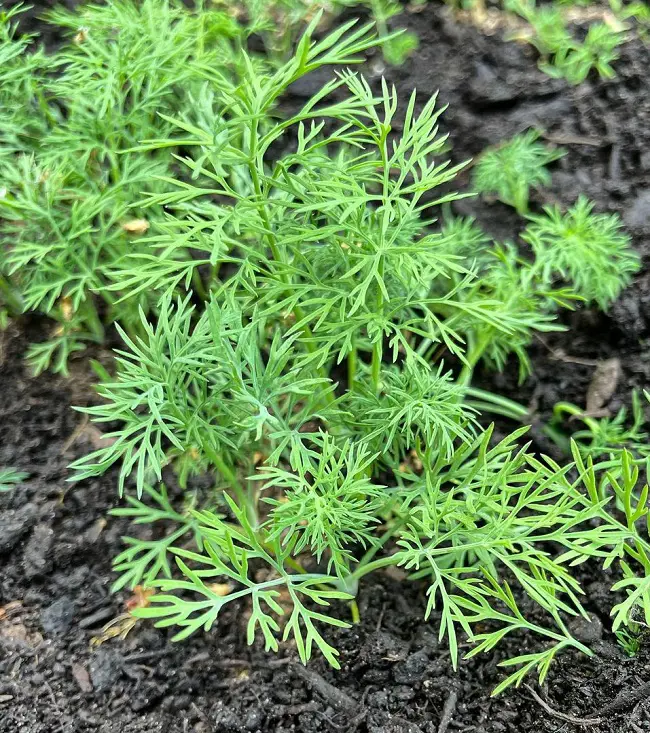
Herbs are popular as companion plants for several main crops like cucumber and zucchini due to their insect-repelling nature. One such herb is the dill, which is famous in Asia and Europe for its distinct flavor profile. Dill is mostly used while cooking as a form of spice.
When you plant dill along with your eggplant, they will attract useful types of insects and bees for the pollination process. They also help to make aphids stay away from your garden and benefit the growth of eggplants. Moreover, this type of herb is also believed to improve the taste of other vegetables planted near it. But make sure the eggplant and dill are planted too near as it may affect each other growth.
15. Thyme
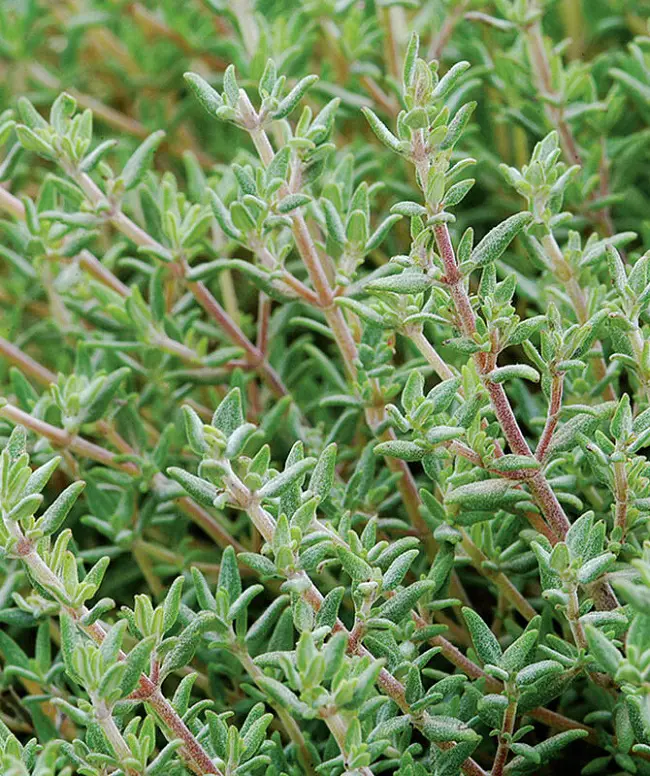
Thyme is considered the best polygamous plant that can be a good companion with anything you plant near it like eggplant, cabbage, and strawberries. Thyme will also enhance the smell of other plants around it and is also active against worms such as cabbage worms.
Many people plant thyme along with other nightshade plants like eggplants and tomatoes as these nightshade plants are prone to several worm attacks. Most importantly, growing thyme alongside eggplant will keep the garden moths and aphids away and their strong scent may keep the bugs at bay and protect your main plant from pest damage.
16. Potatoes
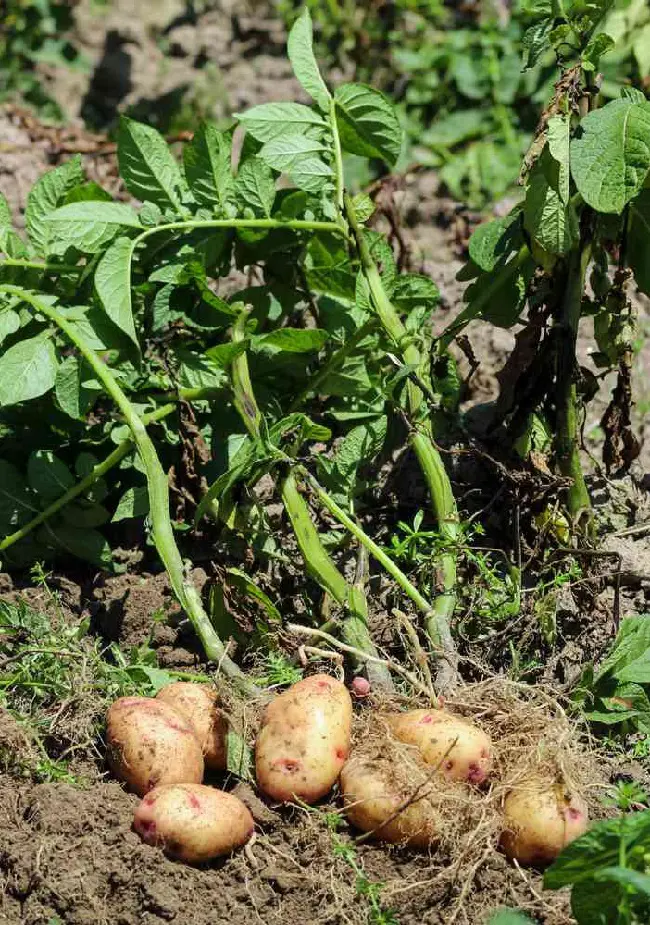
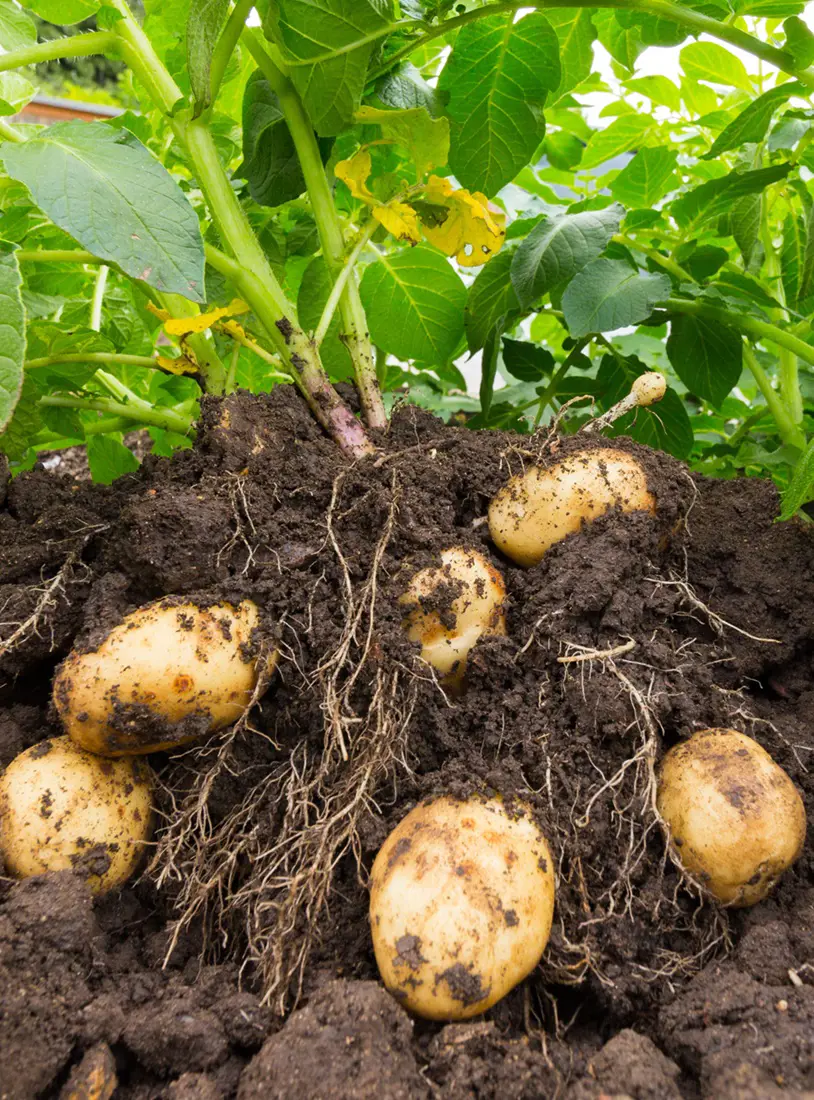
Potatoes are another nightshade family member that has similar growing requirements as eggplants and are considered neutral companion plants. Both of these vegetables require well-draining acidic and fertile soil with moist conditions and full sunlight for six or more hours a day.
In order to maintain soil health, it is better to rotate crops each season, especially when nightshade plants are companions. Doing this will help to keep the nutrients in the soil from weed growth and strengthen the growth of the food plants. Lastly, the diverse crops in the garden magnetize a wider range of beneficial insects and contribute to natural pest control and pollination.
17. Marigolds
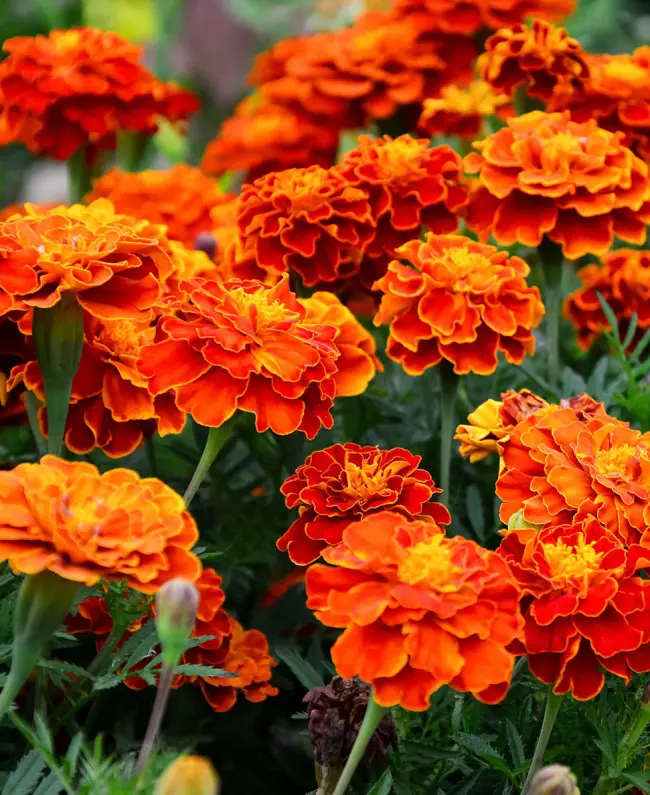
Marigolds are known to attract predatory insects and pollinators with their beautiful yellow and orange flowers. These types of flowers are the best companion plants to keep away problematic eggplant pests. Marigolds also secrete limonene, which is a type of chemical compound.
This particular compound helps to repeal whiteflies and aphids. They are also a popular line of defense in reducing harmful nematode populations. A compound found in their roots which is called alpha-terthienyl will aid the soil health. This toxin will kill off harmful nematodes and reduce the chances of future infestations over several months. Marigold is also known as the natural mosquito repellent plant that people grow mostly in their backyard.
18. Broccoli
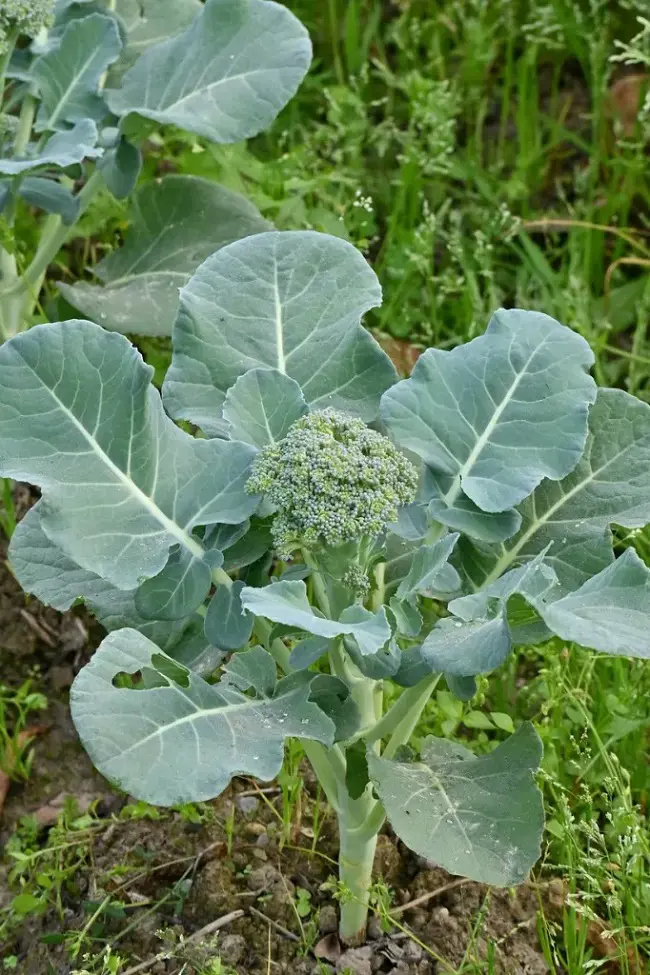
Broccoli is one of the nutrient-dense vegetables that belong to the same family as cabbage. They are edible and are a great source of fiber, minerals, antioxidants, and vitamins. Unlike eggplant, broccoli is a type of plant that does not like the sun exposure much and prefers a moderate temperature to grow.
Planting broccoli with the eggplant is a perfect match because the broccoli will get protection from the eggplant as the plants are taller. On the other hand, broccoli will help to provide nutrients in the soil, which is extremely beneficial to growing eggplant. Therefore, the companion of eggplant and broccoli is a match made in heaven.
19. Peanuts
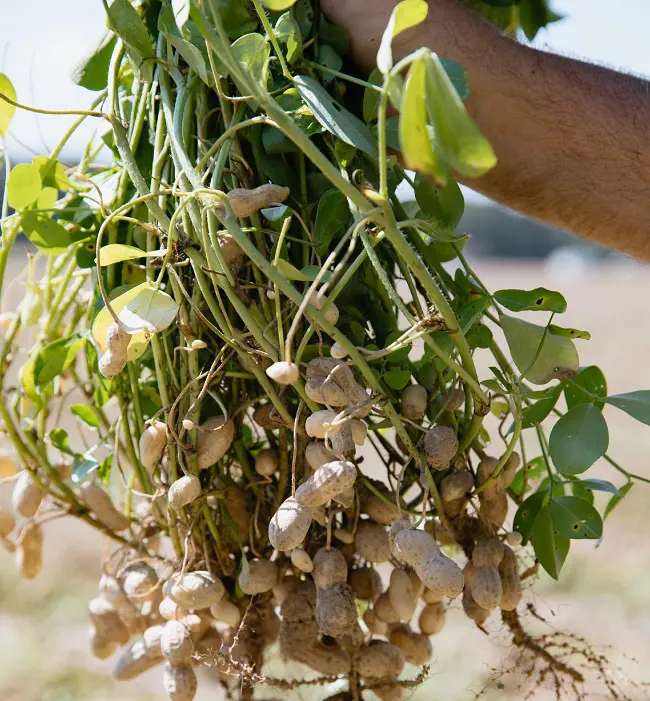
Peanuts possess unique kinds of roots and can also be used as a companion plant as they have a good relationship with the eggplant. The roots of peanuts have little mounds on them which are called root nodules. Inside these particular roots, nodules play the role of beneficial bacteria called nitrogen-fixing bacteria.
They can also get atmospheric nitrogen and provide it to the eggplants. This nitrogen-fixing is important for two reasons. One is that nitrogen is vital for plants and the second reason is that eggplant is a hungry plant and they need every nutrient they can get to grow healthily. This is the reason why peanuts and eggplant go hand in hand in your garden.
20. Garlic
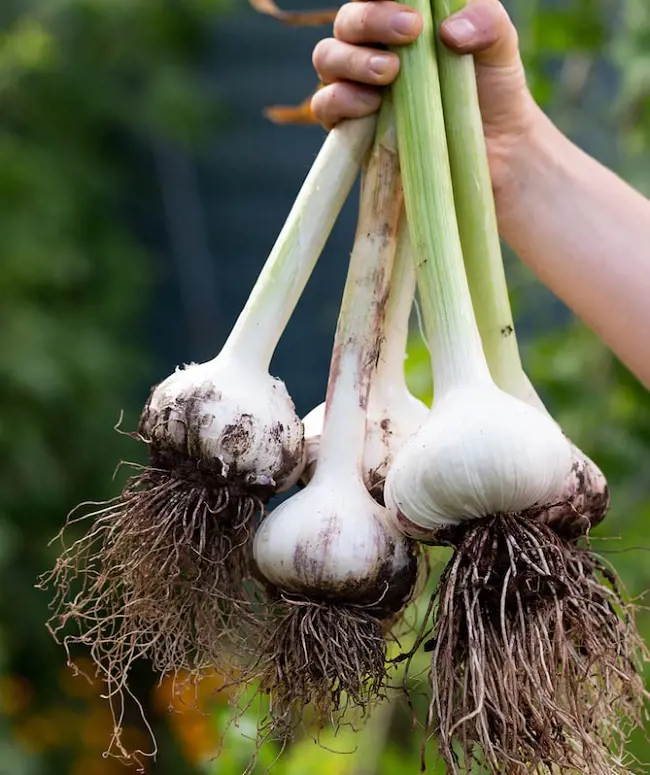
Eggplant as well as an ideal basil companion plant, Garlic has long been a staple cuisine in American kitchen, so you can try growing this in your own garden instead of buying it. Unlike other kind of vegetables, garlic is rather grown from cloves than seeds. They can be planted in the fall and can be harvested in the summer season.
Because this crop requires a longer season, it requires a bit more preparation than any other plant companion on this list. Despite this, the sharp scent of garlic will help to repel every pest such as whiteflies, aphids, and flea beetles. But make sure that you don't disturb the newly growing garlic while planting your eggplant seedlings.


21 Best Companion Plants for Tomatoes
20 Best Potato Companion Plants for a Thriving Potatoes Garden
20 Companion Plants for Peppers
Best Companion Plants To Grow With Corn
20 Companion Plants To Grow With Strawberries
20 Onion Companion Plants for Organic Gardens