How To Clean Mold Off Walls Properly

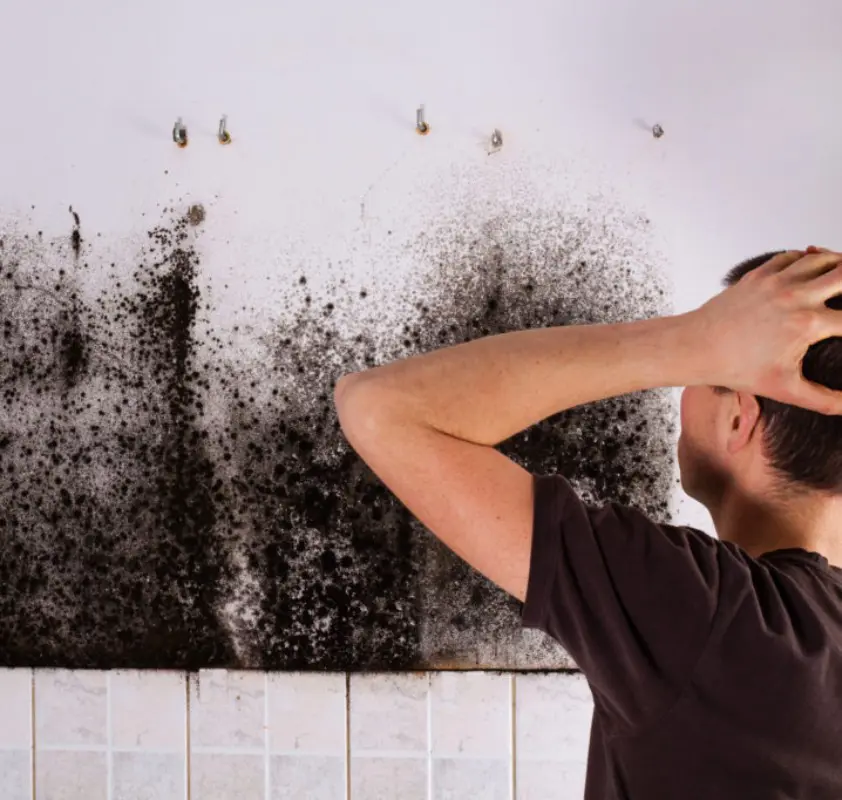
The black and green color of the thread-like filament in your home indicates the presence of mold, which not only signals potential damage to your property but also poses health risks.
This mold can trigger allergies and respiratory problems. Therefore, it's crucial to remove the mold from your walls promptly to protect both your home and your health. But how exactly can you do it? Let’s find out.
1. Take Care of The Leak
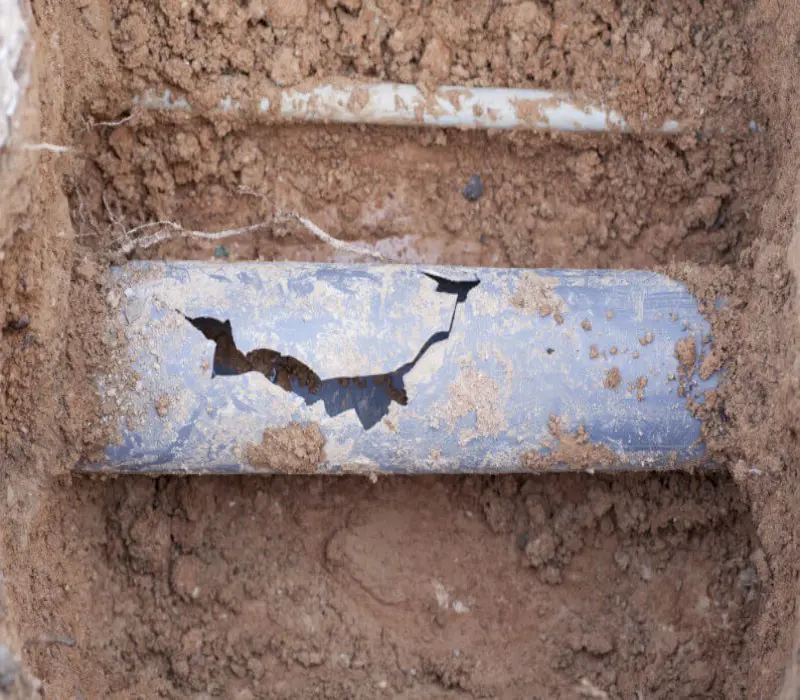
Mold thrives in moist and wet places, and leaks are probably helping it grow. A musty odor or visible water damage is a sign that you should fix the leaks.
The first step to cleaning mold off the wall is to call your nearby plumber and fix those leaks. Even after fixing those leaks, you should thoroughly dry the affected area. This is one effective way to limit mold growth.
2. Soap and Water
Now, after maintaining the moisture environment, you have to scrape off the mold from the wall. So, we all do the classic thing of getting soap and water and cleaning it off. This method is quite effective, especially on non-porous surfaces, as mold is less likely to penetrate.
Add a few drops of soap to a bucket of water. Here, dish soap breaks down the mold, and then the water cleans it off. But please wait for a bit, as the soap needs time to work its magic on the surface. Mold can be stubborn sometimes, so it needs extra effort.
3. Better Air Ventilation
Before you clean off the mold, sometimes it is better just to prevent it. One such way is to make the room well-ventilated, especially the basement and attic. Better airflow can help maintain the level of humidity and not encourage mold development.
It is better to install vents or fans. Even for better airflow, use a dehumidifier to get rid of unwanted moisture. Regular checking of these ventilation systems is a must.
4. Lemon Juice
5. Alcohol Solution
Much better than lemon juice is the solution of isopropyl alcohol—in simple terms, it's just the strong version of alcohol like vodka or whiskey. Rub the diluted alcohol with a ratio of 1:1 parts each in the mold-affected area. Besides, the dilution makes the solution effective and safe.
During this process, remember to keep the area well-ventilated as the alcohol mixture can leave strong fumes behind. Meanwhile, this method is quite effective for cleaning minor amounts of mold off the wall.
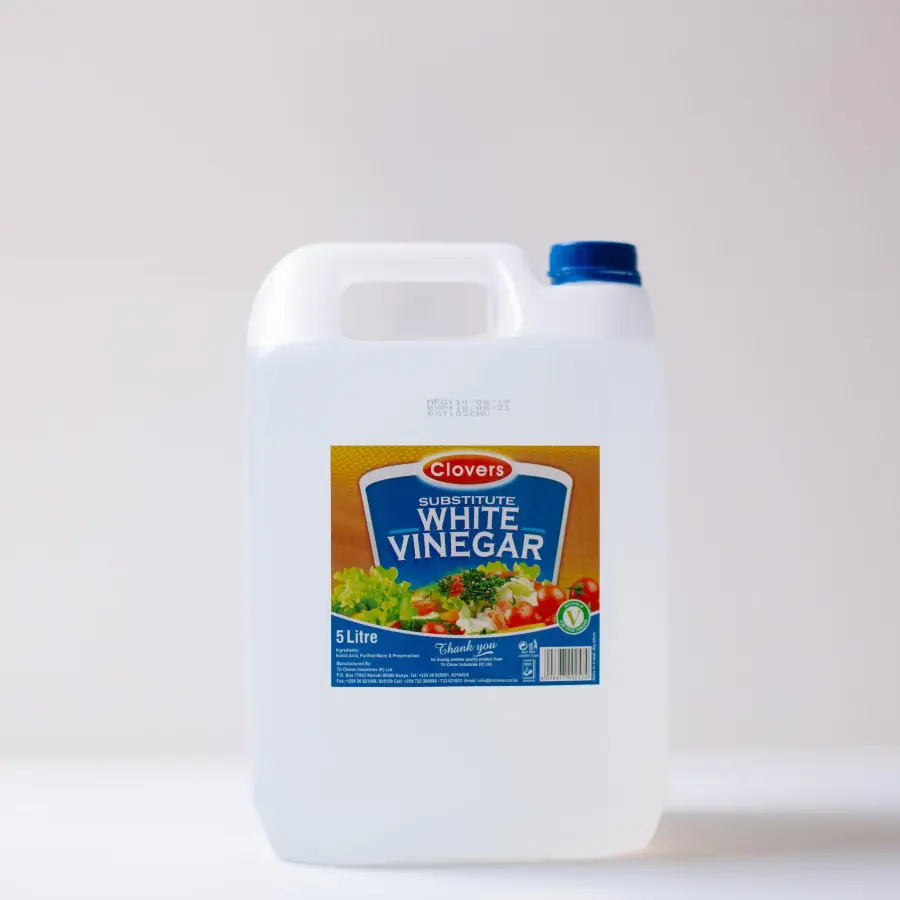
6. White Vinegar
7. Tea Tree Oil
8. Baking Soda
Yet another ingredient for cleaning mold off the wall is baking soda. You prepare a white paste of baking soda with water. Then, apply it to the affected area, covering it thoroughly. Let the paste sit for a few minutes, and then use a cloth to scrub the area and remove the mold and paste.
Further, if you see any remaining residue, rinse it again with water and clean the area. The best part is that baking soda also keeps the environment fresh and acts as a deodorizer.
9. Essential Oil
Let's explore some more ways to create an aroma in your room while you clean off the mold from the wall. A mix of essential oils like lavender and eucalyptus can be compelling, as these oils are known for their antifungal properties.
Take a few drops of oil per cup of water and then shake it well. After spraying the mixture and leaving it for half an hour, clean the area. Moreover, using these oils as part of your regular cleaning routine can provide better protection against mold growth.
10. Borax Powder
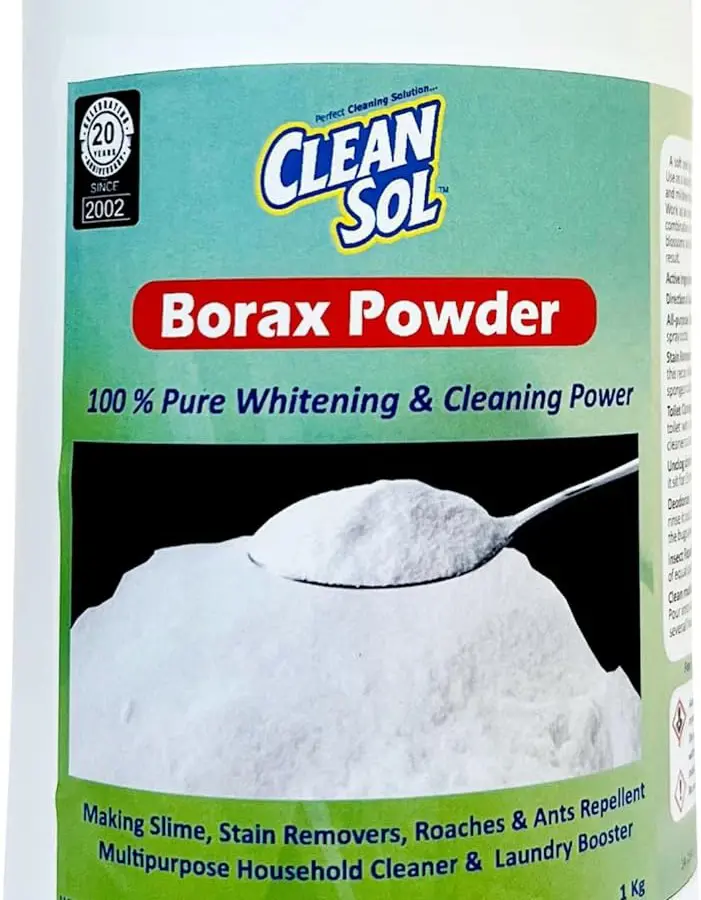
One of the most effective powder solutions known to have antifungal properties is borax powder. It works even better in its solution form when mixed in a spray bottle. Just apply it directly until it is evenly immersed in the surface. Then, leave it to dry for some time.
What is even more charming is it can work on both non-porous and porous surfaces. In the meantime, it is even better to leave the borax on the surface after cleaning it to increase mold prevention.
11. Bleach Solution
Now we should take some extra measures to clean stubborn mold off the wall. First, make a solution of bleach and water, using 1 cup of each and mixing them thoroughly. Then spray it on the affected area and let it sit for around 10 minutes.
Afterward, clean off the spores and rinse the area with water to remove any bleach residue. This solution is one of the best ways to get tile and grout surfaces clean and mold-free.
12. Hydrogen Peroxide
13. Microfiber Cloth
While the solutions given above can help to get rid of mold, clean cloths alone are not enough to clean the mold off walls. Here come the microfiber cloths. You can use them with water or a cleaning solution and wipe them down so that they can pick up the mold as you clean.
Moreover, their fine fibers can create a static charge to attract dust and dirt that gives them extra cleaning power. Remember that you should clean the microfiber cloth in hot water to get rid of any remaining mold and spores.
14. Steam Cleaner
Steam cleaners are one of the most effective ways to clean off mold from walls, carpets, and upholstery. Steam cleaning brings hot water vapor into these areas that are infested by mold. Here, the temperature is high enough to get rid of mold spores.
For effective use, you should first keep the surface dry and then apply steam for 10-12 seconds to significantly reduce mold. While steaming, it is required to monitor the moisture level, as excess moisture can create a conductive environment for mold.
Moreover, you should use a cleaner with good suction capabilities to remove as much excess moisture as possible after cleaning.
15. Pressure Washing
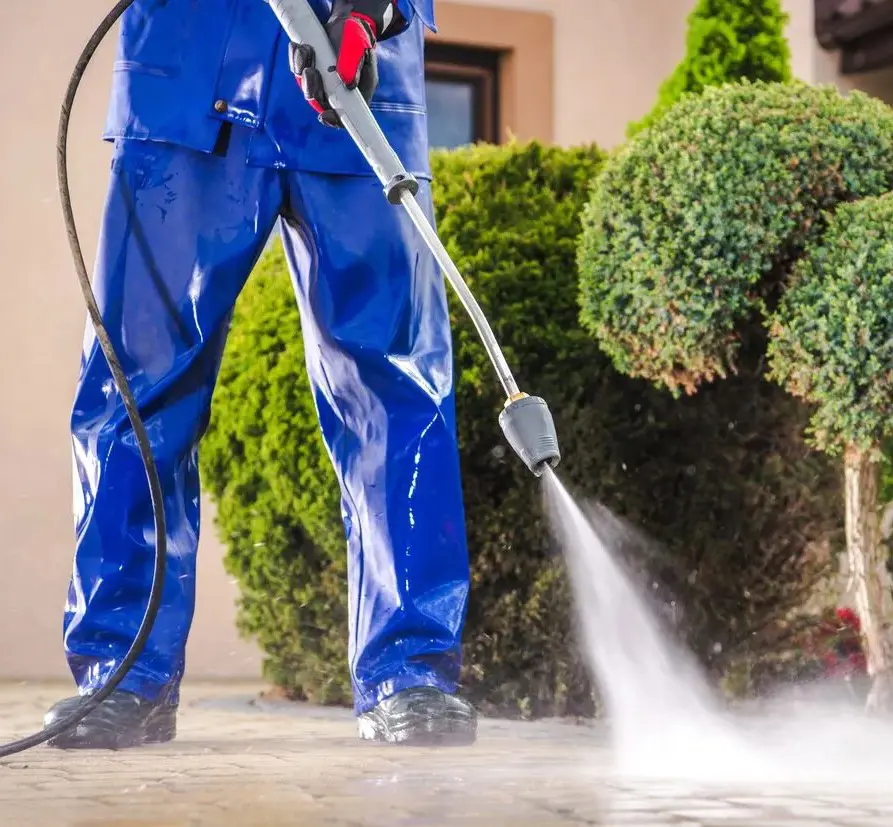
While indoor mold cleaning methods are effective, additional techniques can be used to get rid of mold in outdoor spaces. Pressure washing is one such method, ideal for areas like decks, patios, and more.
This technique involves using a high-pressure water spray to knock down dirt, grime, and mold. It is particularly effective for large infestations around your home. To use a pressure washer, set it to the appropriate pressure, choose the right nozzle, and then apply it to the surface directly.
Before you start, inspect the area for any items that could be damaged to prevent accidental harm. When applying the pressure washer, move gradually across the area and maintain a consistent motion to avoid damaging edges and surrounding surfaces.
16. Dry Ice Blasting
17. Use EPA Fungicide
The last way to clean extensive mold issues is to use EPA-registered fungicides to target mold removal. Unlike those conventional methods, they adhere to strict safety standards according to the Environmental Protection Agency.
Moreover, these products use plant-based ingredients to kill and prevent growth. They also improve indoor air quality and manage health risks associated with it.
18. Regular Vacuum
The best way to prevent mold in your home is through regular vacuuming. A vacuum with a High-Efficiency Particulate Air (HEPA) filter helps remove mold from your indoor space.
These vacuums are designed to trap small particles like dust and allergens, preventing them from being released back into the air during vacuuming. During vacuuming, make sure to pay attention to corners, edges, and areas where dust can accumulate.
Damages Molds Can Do
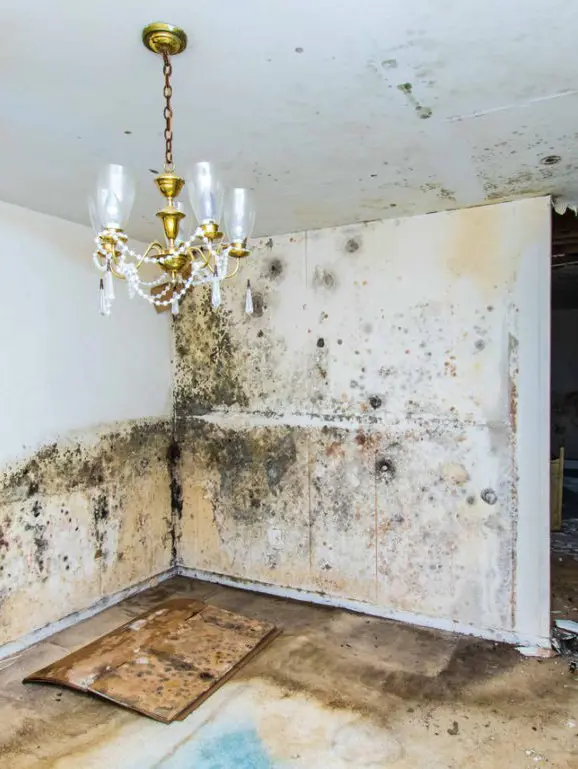
There might be questions in your mind right now. Those green and black fungi on the walls or any other wet surfaces in your house are more than just a threat to your property and your health. Let us find out the damages they can cause:
Home Issues
In the house, mold can cause distinct damage that may not be immediately noticeable due to severe infestation.
- Wood Rot: Some wood structures in your home, including beams, floors, and walls, can become weak, leading to wood rot.
- Drywall Deterioration: Mold can penetrate drywall, causing it to weaken and crumble, which may require repairs or replacements.
- Foundation Issues: Persistent moisture from mold growth can lead to foundation problems, including cracks and settling. Fixing these issues can be expensive.
Health Issues
Apart from damage to your house, your health is also at serious risk from various hazards.
- Allergic Reactions: Mold spores can trigger allergic reactions in sensitive individuals, such as sneezing, runny nose, and skin rashes.
- Respiratory Problems: Exposure to mold can cause or exacerbate respiratory issues, including asthma, bronchitis, and other lung conditions.
- Toxic Reactions: Certain types of mold, such as black mold (Stachybotrys chartarum), can produce mycotoxins that may cause severe health problems like neurological issues and chronic fatigue.
Aesthetic Damage
Regardless of home damage, the beauty of the house is also at risk of damage.
- Staining: Mold can cause unsightly stains on walls, ceilings, and other surfaces, ultimately leading to a decrease in the visual appeal of your home.
- Odor: Mold often produces a musty smell that can permeate your living space.
- Increased Repair Costs: Ignoring mold can lead to more extensive damage over time, resulting in higher repair costs for structural and aesthetic issues.
Pest Infestation
Mold creates perfect living conditions for pests, attracting several types.
- Attracting Pests: Mold can attract pests such as termites and rodents, which can further damage your home and create additional health risks.
Signs of the Mold In Your Home
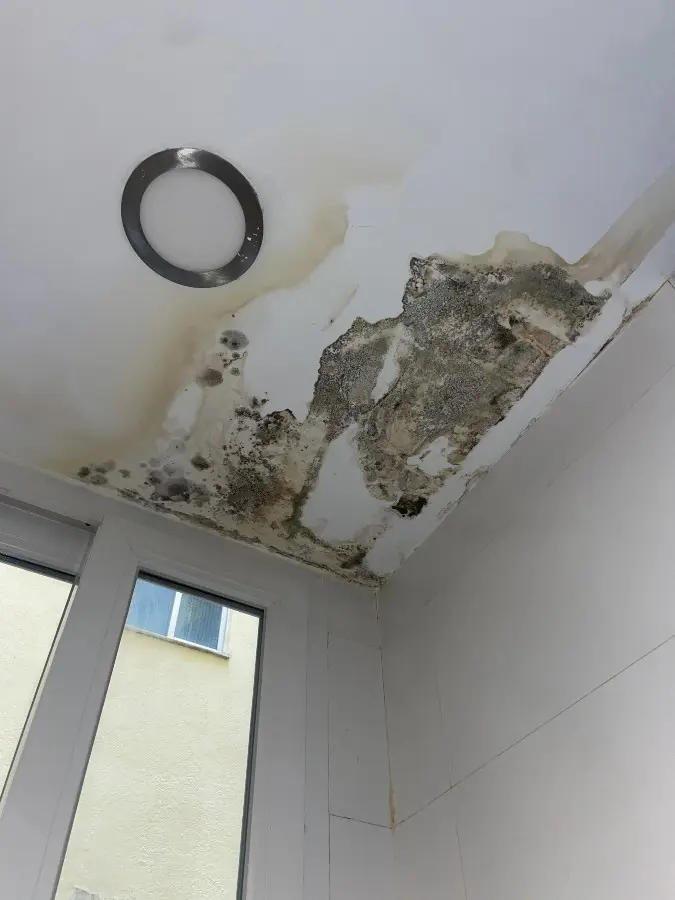
While you can get rid of mold and make your home safe from it, how do you notice them in your house? Before there is a severe infestation, you can take time to inspect and look for signs that show their presence:
Visible Mold Growth
What is Mold


How To Get Rid Of Hard Water Stains In Any Surface

How To Get Rid Of Musty Smell

How To Get Rid of Skunk Smell
How To Get Mold Out Of Your Clothes Safely
How To Get Rid of Bleach Smell In House
How To Get Rid of Drain Smell