How To Grow A Christmas Cactus

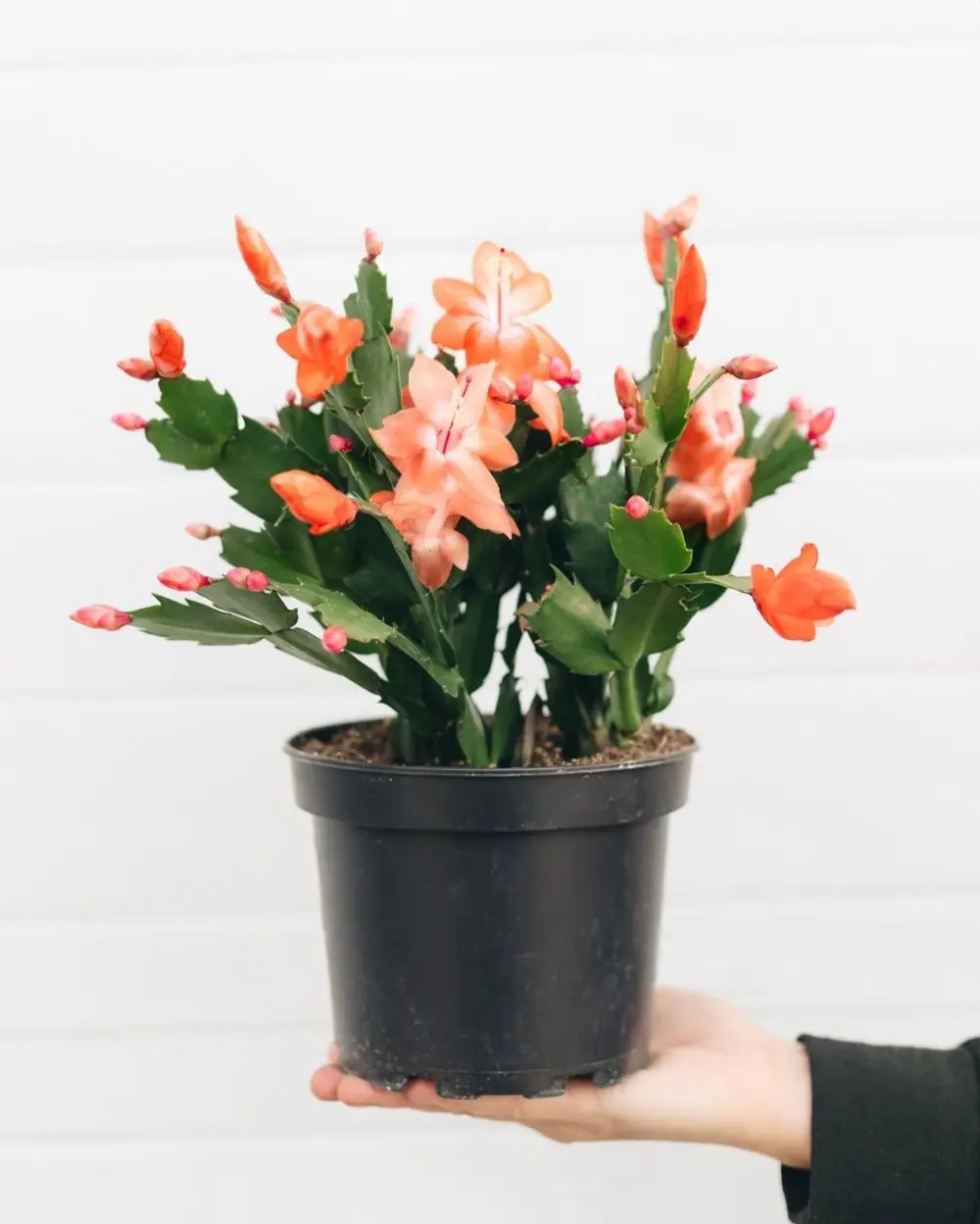
Christmas cacti can be purchased anywhere from garden shops to grocery stores, from a few weeks before Christmas till a few weeks after. They have long been popular as houseplants to have around in the winter, as they help keep the interior space vibrant with their blooms when most plants go dormant.
This, however, is not a typical desert-dwelling plant like most cacti. It is a tropical rainforest variety that flourishes on branches of trees, absorbing warm, high humidity and the mild sun when temperatures are ideal. This means you cannot care for it like the other cacti in your indoor garden.
Don't worry, though—no botany degree or advanced experience is required to learn how to grow Christmas cactus.
When and Where to Grow Christmas Cacti?
Planting and growing Christmas cacti starts with knowing when and where to plant it.
Light Requirement
The plant can withstand bright light during the winter flowering period, but it likes sun and shade equally in spring and summer. The plant cannot be exposed to extreme levels of either, so try to find a place that allows some shade, such as under a tree if the plant is placed outdoors. If kept inside, this could be a bright window that faces east or north.
A reddish-purple color on the stems could suggest excess sunlight. However, if there is too much shade, the plants will grow long and weak with few flowers, and those few flowers will be few if any at all.
Soil Requirement
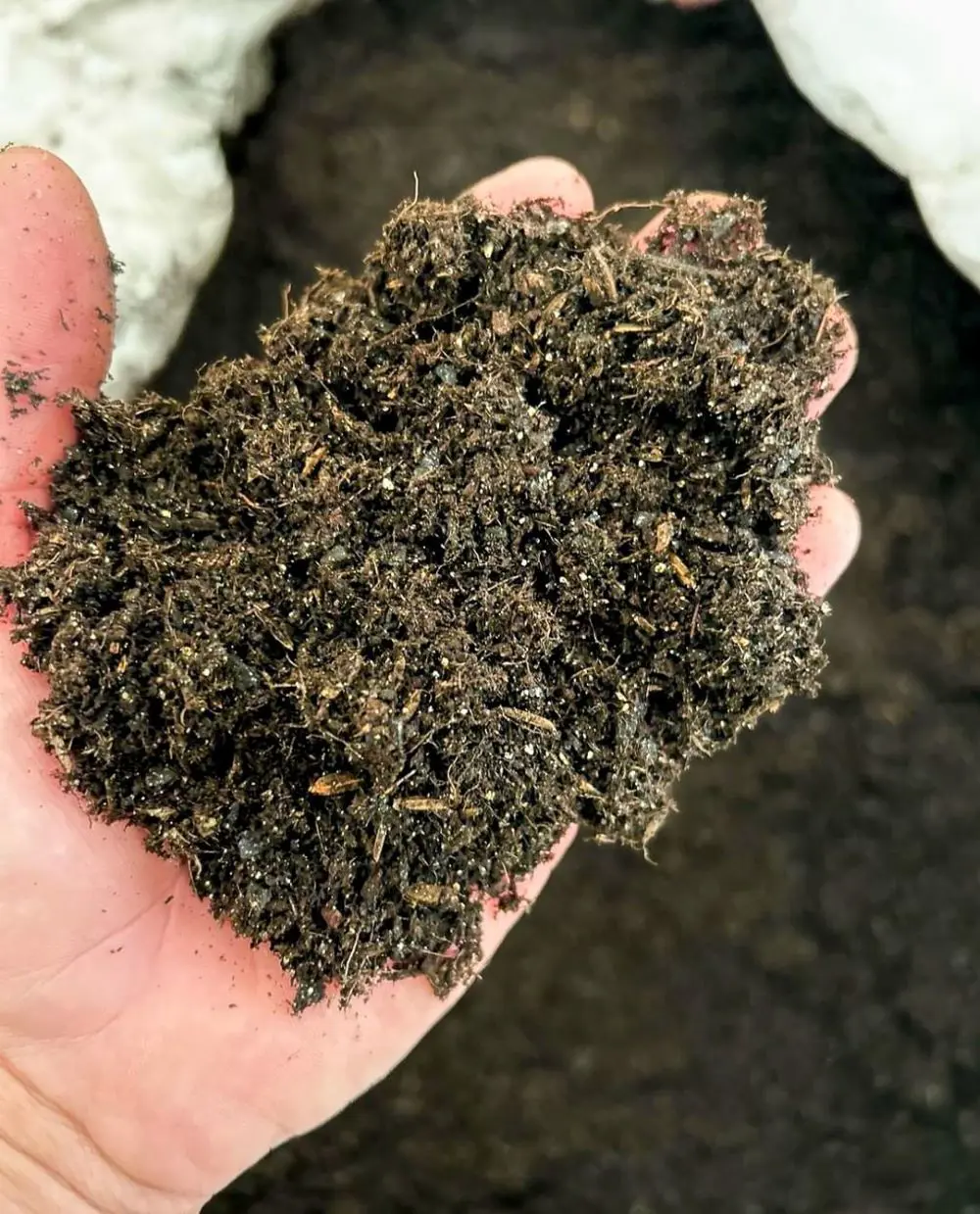
Despite not being a desert plant, a potting mix specifically designed for succulents with good drainage is ideal for your Christmas cactus. Like many other members of the cactus clan, these flowering lovelies dislike wet soil, so you want to check if the soil can drain well.
Normally, a well-draining potting mix is composed of standard potting soil, coarse sand, and pumice or perlite, as this will ensure excellent drainage and prevent your plant from being overwatered. For optimal growth, the pH of the soil should be slightly acidic, achieved by peat moss.
Temperature and Humidity Requirement
During its active growing season (April to September), Christmas cactus favors cool temperatures of between 60 and 70 degrees Fahrenheit. Place the plant away from excessive heat sources such as radiators or fireplaces. This plant also does not appreciate sudden drafts or changes in temperature. Once a terminal bud has developed, it must receive cool night temperatures (approximately 55 to 65 degrees) and over 13 hours of darkness to promote blooming.
The plant also prefers high humidity levels that are sometimes difficult to achieve when kept in hot and dry homes during winter. It can be misted, or a pebble tray filled with water can be placed under its pot to increase humidity.
Water Requirement
The climatic conditions influence the quantity and frequency of watering. Unlike cacti from the deserts, this rainforest variety requires more water, especially in the spring and summer. Therefore, water regularly from April to September. The soil should be moist and able to drain excess water.
The only time these plants do not need as much water is during the bloom period, which is twice a year. The first is in the autumn season, from mid-September until bud development. You should resume watering once you see the flower buds until the flowers fade. After flowering ceases in January, water twice per month till the end of March to prevent excess watering. Then, resume regular watering throughout spring and summer until mid-September.
Fertilizer Requirement
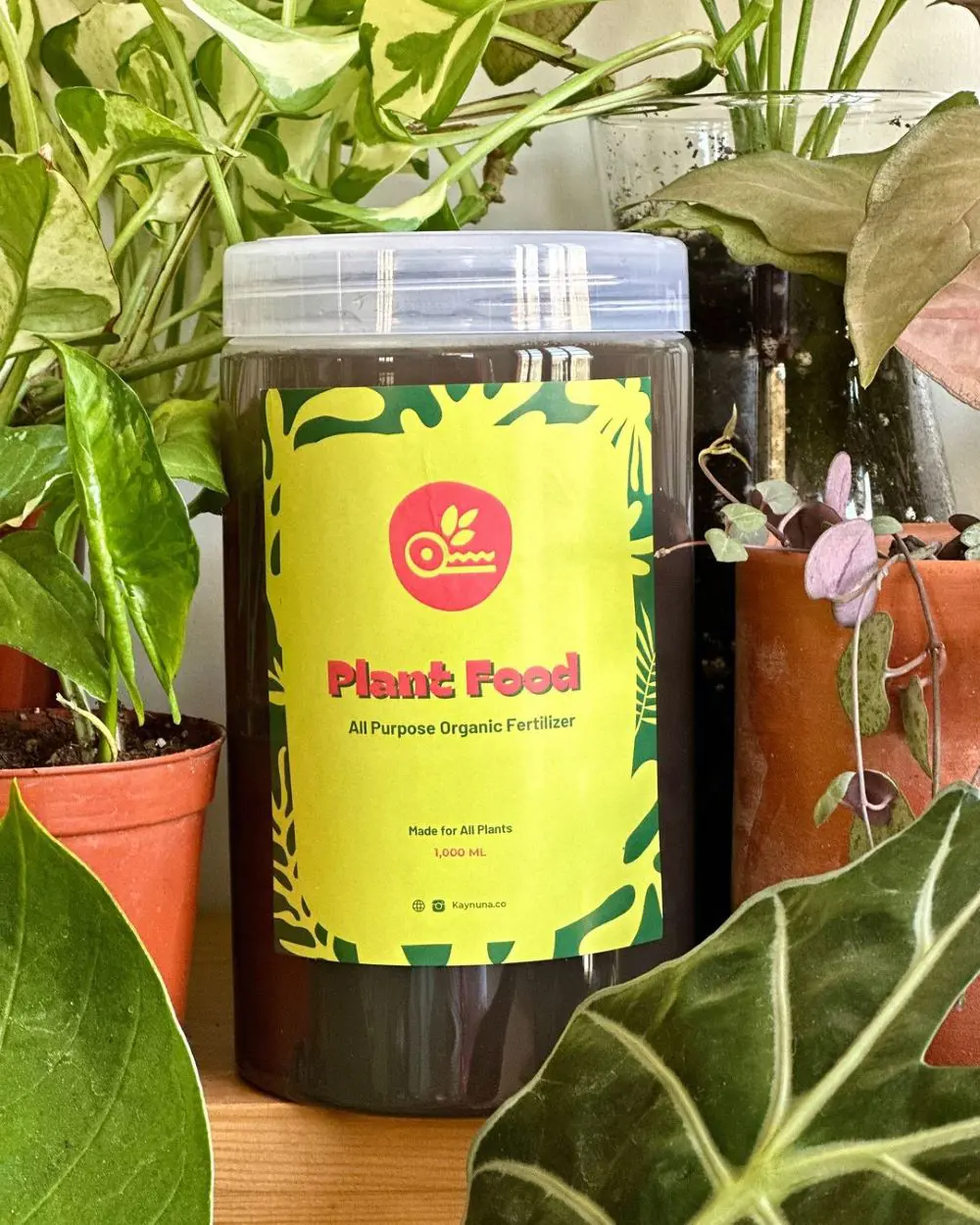
Proper nutrition for your cacti is as important as watering them. The potting mix used in pots retains moisture and facilitates nutrients to the root system of your plant. With time, all the nutrients will be washed away from the soil due to regular watering. Thus, it is necessary to replenish the soil and encourage rooting in a healthy base.
You only want to feed your plants during the growing season from March through September with a balanced liquid fertilizer (NPK ratio-for instance- 20-10-20) at half the strength. Then plants go into a dormant phase over the winter, the colder, darker months of the year, and as soon as spring comes back around, get your feed out, and it's back to business.
Planting Period
The optimal period for planting a Christmas cactus is during the growing season in spring and early summer. It has the best chance of developing healthy roots and commencing exuberant growth. This period also provides time for the cactus to settle in its new location before the cooler months.
Do not try to plant it in winter if you want the plant to be healthy with gorgeous flowers by the holidays.
How to Grow Christmas Cacti?
There are three different ways of planting and growing a Christmas cactus.
- Propagation through cuttings
- Growing from seeds
- Buying and repotting
Below, we have listed the step-by-step for all three methods:
How to Grow Christmas Cactus from Cuttings?
The ideal window for multiplying a Christmas cactus is a month or two after its last flowers have fallen. Do not do this in autumn when the plant is developing flower buds.
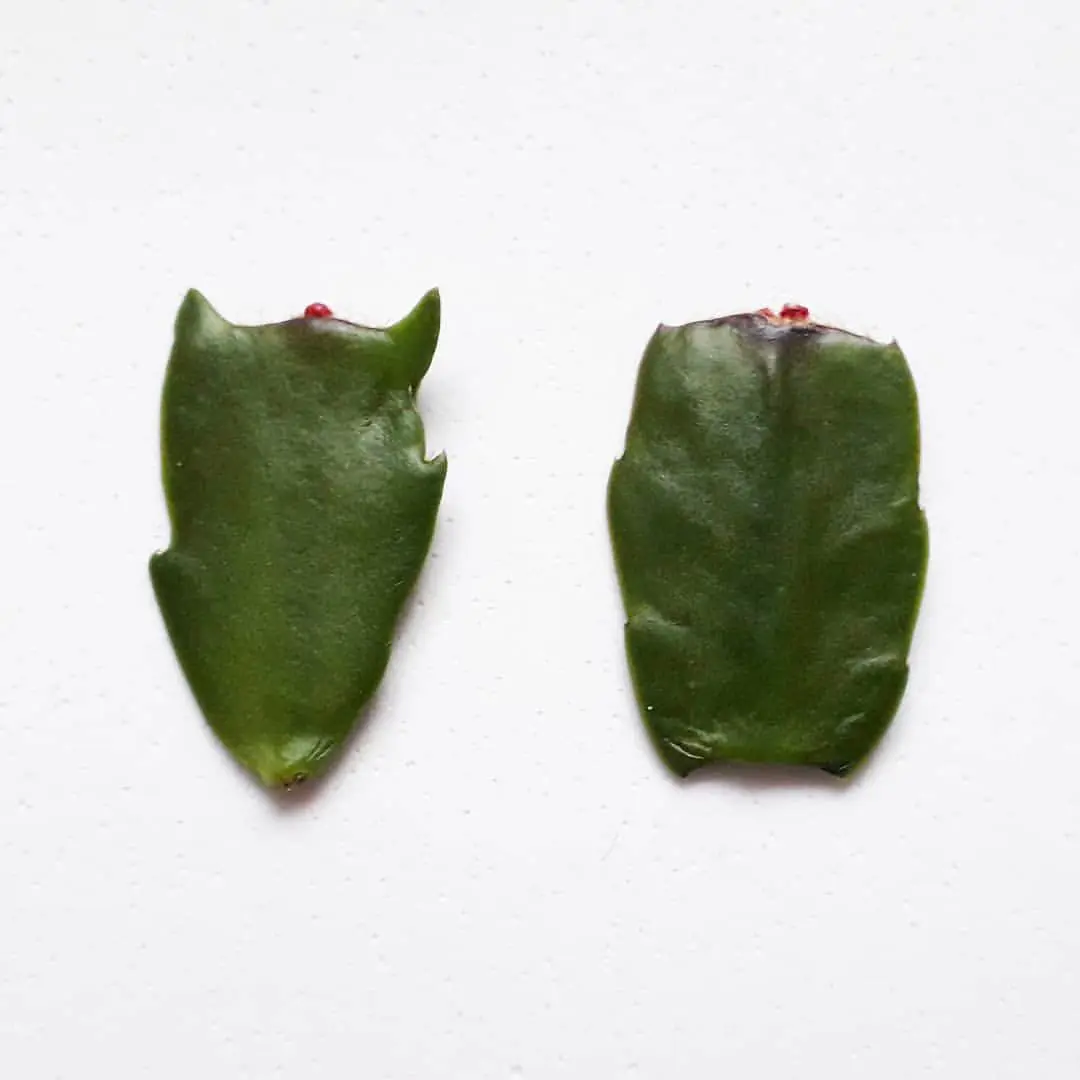
Select Cuttings
Cuttings from the Christmas cactus ensure the healthy growth of a new plant, which ensures bushier growth and more beautiful blooms in the future. This plant is best multiplied with stem cuttings.
Prepare Pots
Fill a pot measuring 4 to 6 inches with openings at the bottom with commercial potting soil, cactus soil mix, or soil that is sand-peat mixture in a 2:1 ratio. If you need to improve the drainage, add coarse materials, such as gravel or small stones.
Plant the Cuttings
Insert the cutting upright into the soil at a depth of one inch, and compress the surrounding soil around the cutting to hold it in place securely. The cutting should not be packed tightly to allow airflow and encourage healthy rooting.
Do not insert the cutting deeply into the soil. The cutting can be held upright without burying the end in the soil more than necessary.
Water Lightly
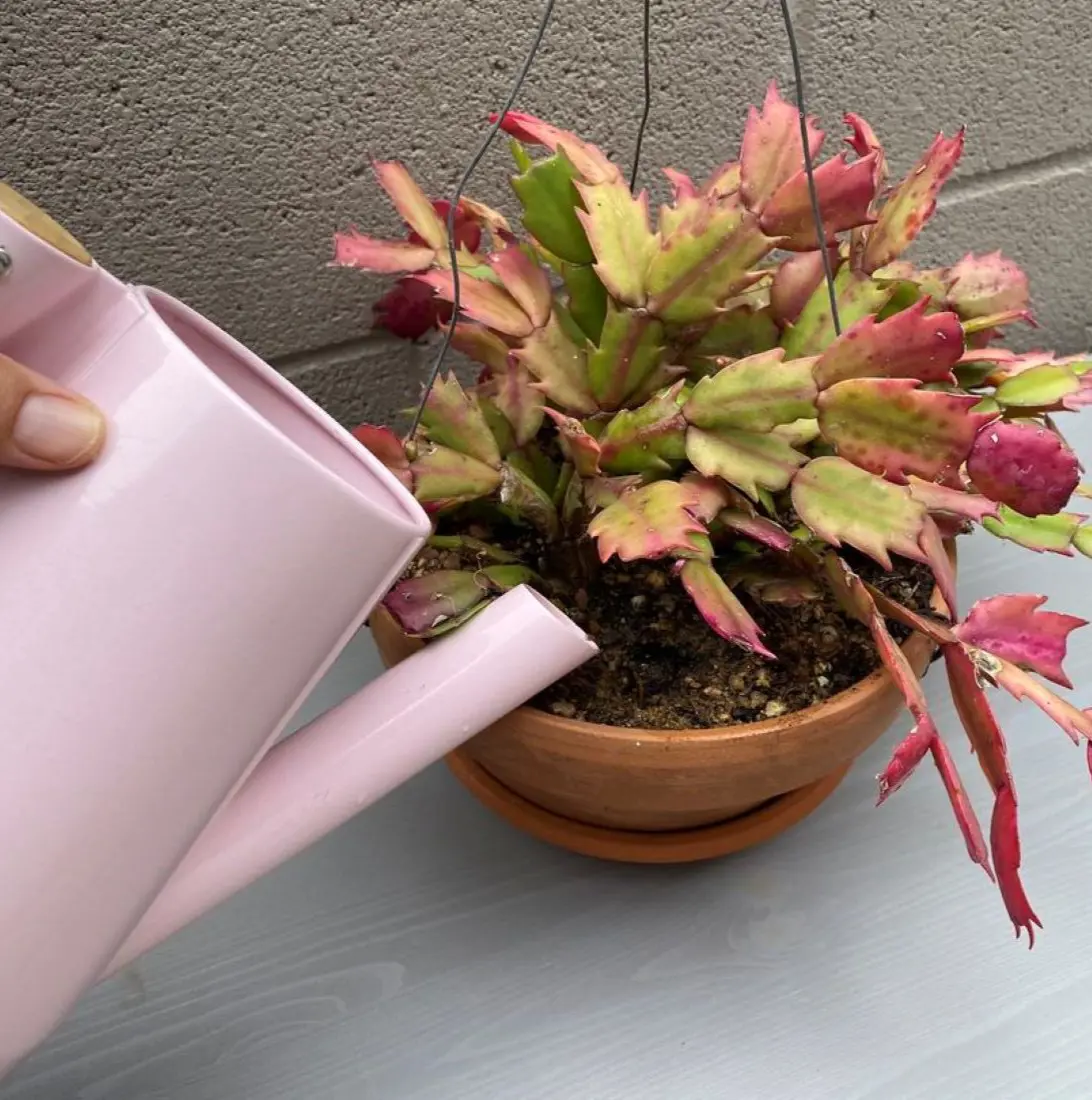
After planting, water the cutting lightly. It only needs minimal water to settle into the soil since it is in the early rooting stages. Wait about a week or two before watering regularly. Water when the soil feels dry.
If you live in a dry place, ideal humidity can be achieved by enclosing the plant in a plastic bag with a rubber band. The bag can be removed after two or three weeks when the roots have developed.
Care for Cuttings
Nurture your plant as you would any other plant. After 8 to 10 weeks, move it into a bigger pot. New leaves or stems are the most conclusive proof of successful rooting is new leaves or stems.
Alternatively, the stems can be soaked in water before laying them in the soil. Immerse the cut end in 1 to 2 inches of clean water and position the jar where it can receive diffused sunlight. After a few weeks, the stem's roots should measure around 1 or 2 inches in length, and they can be transferred to a container of soil.
How to Grow Christmas Cactus Plants from Seed
Growing the cactus from plants might take longer than propagating. Here’s how to do it.
Get Hold of the Seeds
Wait for the green pods to turn red and harvest the seeds. The color change will happen in the fall. Then, extract the brownish-black seeds and wash the pulp away.
Plant the Seeds
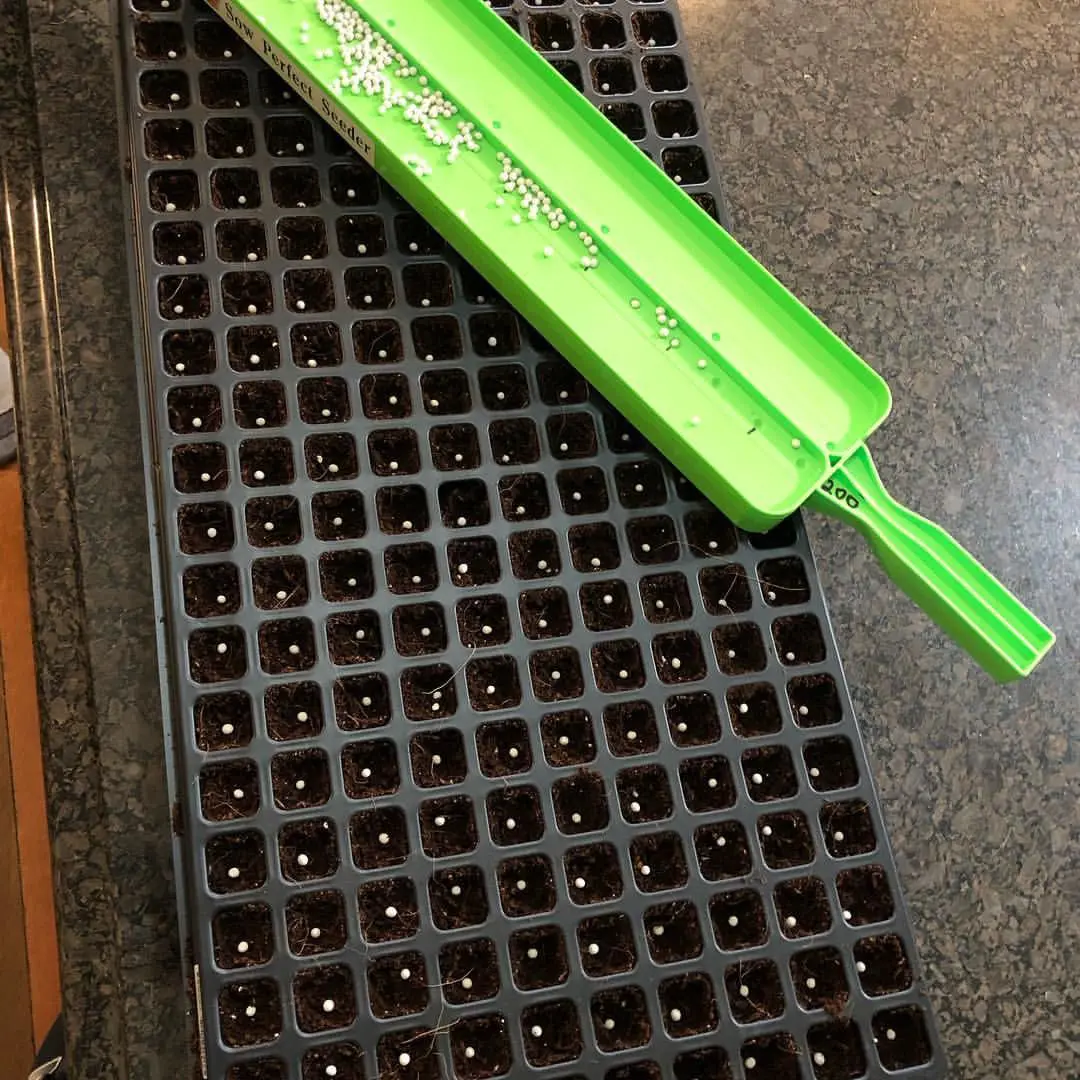
Fill a shallow tray or a small pot with moistened sphagnum peat moss mixed with perlite or a cactus mix. The Christmas cactus soil should not be dry or waterlogged. It should feel moist, but excess water should drain freely.
Lightly press the seeds into the mix without burying them, or gently sprinkle a layer of vermiculite. Space the seeds to avoid crowding and even growth.
Create Humidity
After sowing the seeds, place a plastic dome or cover over the planting tray or pot to maintain high humidity essential for germination.
Make a small aperture in the plastic covering, and place the seed tray in shaded sunlight.
Maintain Moisture
Spray the soil surface every day to moisten it, or set the pot in a tray of water until it is moist without soddened conditions.
Avoid allowing it to dry out or keeping it too damp since both conditions are unfavorable during germination.
Remove Plastic
The seeds should germinate in two to three weeks, and the seedlings should surface. Remove the plastic lid to enhance airflow, prevent mold growth of mold and nourish the delicate seedlings.
Repotting
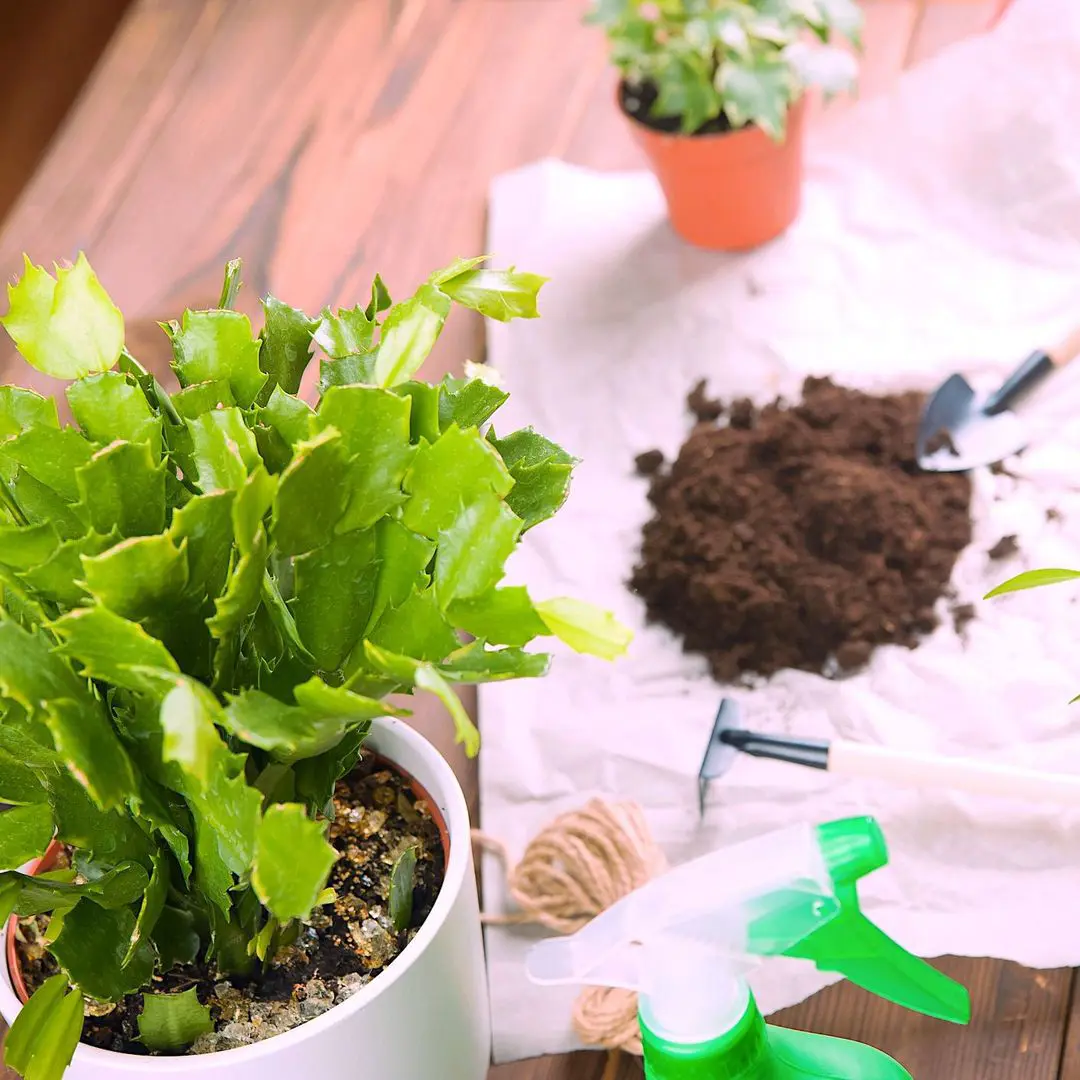
Most houseplants require repotting every one to one and a half years, unlike a Christmas cactus, which should be handled every three to four years. This is due to its preference for confinement in the pot that encourages blooming. Moreover, repotting often may be dangerous for the plant and impede flowering for a certain period.
Ideally, the Christmas cactus should be transplanted in the spring, right after the flowers have drooped. This means all transplanting and repotting activities should be avoided during blooming. For repotting, use a larger pot than the previous one with drainage holes, which allow air circulation and help prevent root decay.
The pot should be filled with a few inches of soil mix. Gently loosen the rootball and shake out as much soil as possible. Place the root ball into the pot with the top of the root ball approximately an inch below the rim. Then, fill the soil around the plant firmly. Water moderately and keep the plant in mild shade for about two or three days, as direct sunlight may be intolerable and damage the leaves.
Common Issues with Christmas Cactus
Christmas cacti are generally robust, adaptable, and tolerant plants that withstand occasional neglect. But if not given the right conditions, plants may have poor growth or flowering problems, including:
Overwatering
Root rot develops from excess moisture in the soil. The roots cannot get enough air due to the moisture, which leads to death and decay. If you notice this issue, remove the plant and some soil from the pot. Cut off the wet, rotten roots and replant the cactus in a new pot with a fresh, dry potting medium. Let the roots rest for some days before applying water.
To avert root rot, it is advisable to feel the potting mix to know if it needs watering, which helps minimize unnecessary watering. A vital measure is to restore the water content in the soil if the cactus is suffering from the root rot disease.
Premature Flower Drop
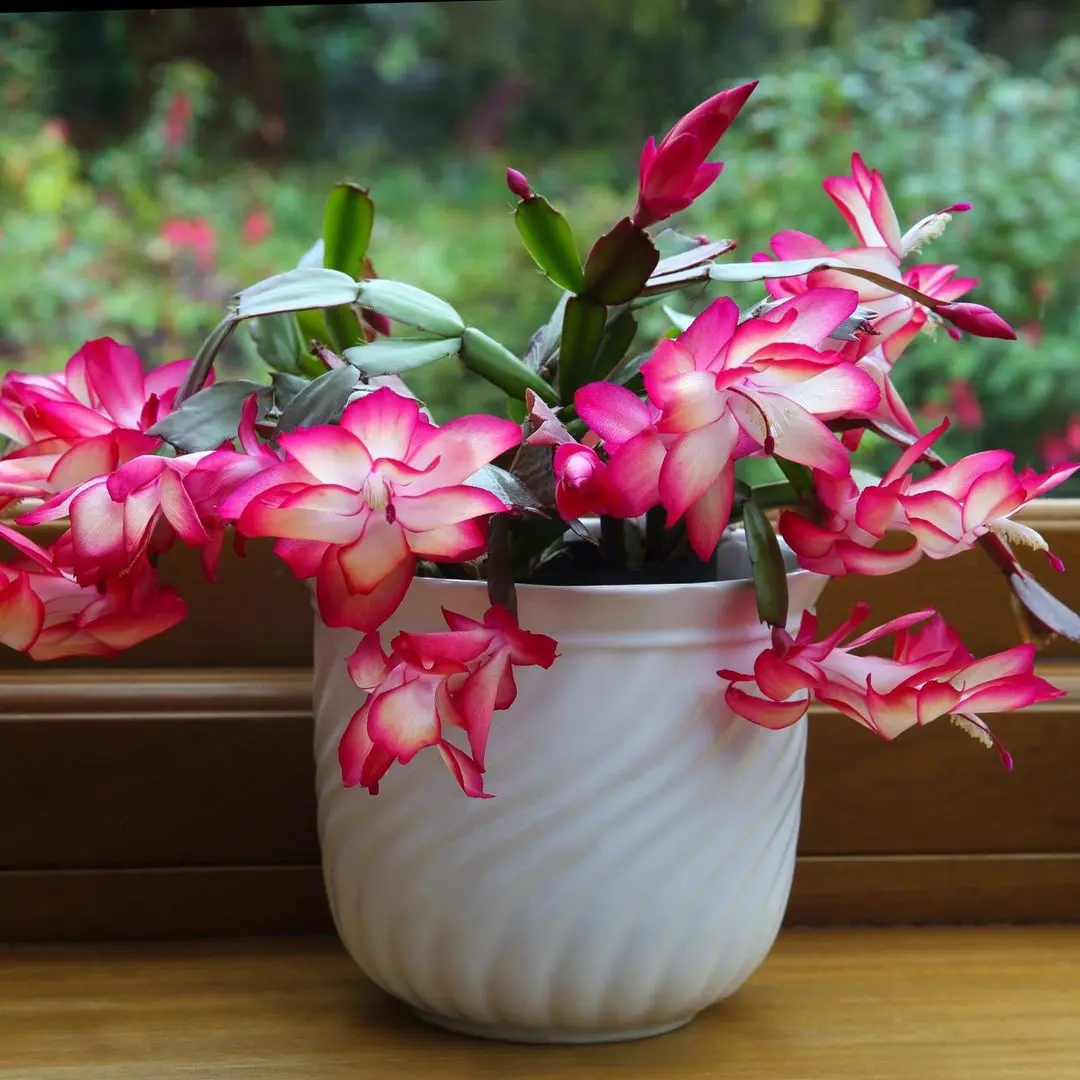
This is mostly caused by changing light conditions and temperature changes or rapid fluctuations in humidity.
Move the plant if it is near a draft and balance the soil moisture level. However, leave the plant alone to let it adjust to the new conditions if you recently relocated it.
Overwintering
A Christmas cactus is hardy in USDA zones 10-12. It can be grown outdoors in these regions. It can handle a slight decrease in temperature because it needs it to bloom, but as a tropical plant, it cannot tolerate frost. Therefore, it should be overwintered in areas where they're not hardy and when temperature decreases suddenly.
The cactus should be brought indoors when temperatures drop below 50 degrees. It will flower within the weeks surrounding Christmas. During summer, the plant can be placed outdoors again with filtered sunlight and protection from wind.
Pests and Diseases
While Christmas cacti are typically low-maintenance plants, they aren't immune to pests and diseases. Excessive watering can lead to pests like mealybugs, spider mites, and aphids. These pests lead to wilting, yellowing, and stunted growth. To eliminate the pests, use insecticidal soap and horticultural oil.
Meanwhile, fungal diseases cause rotting at the stem base. Brown marks on stems at the soil line indicate fusarium, while phytophthora causes the stems near the soil line to appear wet. Apply a fungicide to treat the plant, though it may be hard to save.
How to Prune a Christmas Cactus
Pruning a Christmas cactus is usually not required, as it spreads out with enough sunlight. However, if you want to change the shape of your plant, encourage more flowers, reduce the length of excessively long shoots, and promote denser growth, you may prune the plant.
The best time to do it is between February and March, as it blooms and bears new growth. To trim a Christmas cactus, twist the stems between any segments. Alternatively, use a sharp and clean knife or scissors to cut off a few sections.
Severe pruning should be avoided, so remove only a third of the plant or one to two segments from the end of each stem in one year to prevent damage. Cutting one or two parts from the ends of the stems every few years is ideal.
If the flower buds on a cactus are starting to curl, watch for other factors to identify its needs instead of cutting it away. These are the signs that you should watch for:
- Yellow and soft stems indicate overwatering. Ensure that the soil is well-drained so that excess can flow out. Also, the plant should be placed in a pot with drainage holes to prevent excess water from pooling and causing root rot.
- Stem wilting or wrinkling is caused by dry soil. In such a scenario, give the cactus a full drink of water.
- You might see that a few buds have dropped off if there is not enough humidity in the air for the plant or when it is overwatered. However, these can also happen if the plant does not receive enough light and water before early October.


How To Plant And Grow Amaryllis Bulbs?
How to Plant, Grow and Care for Peace Lily
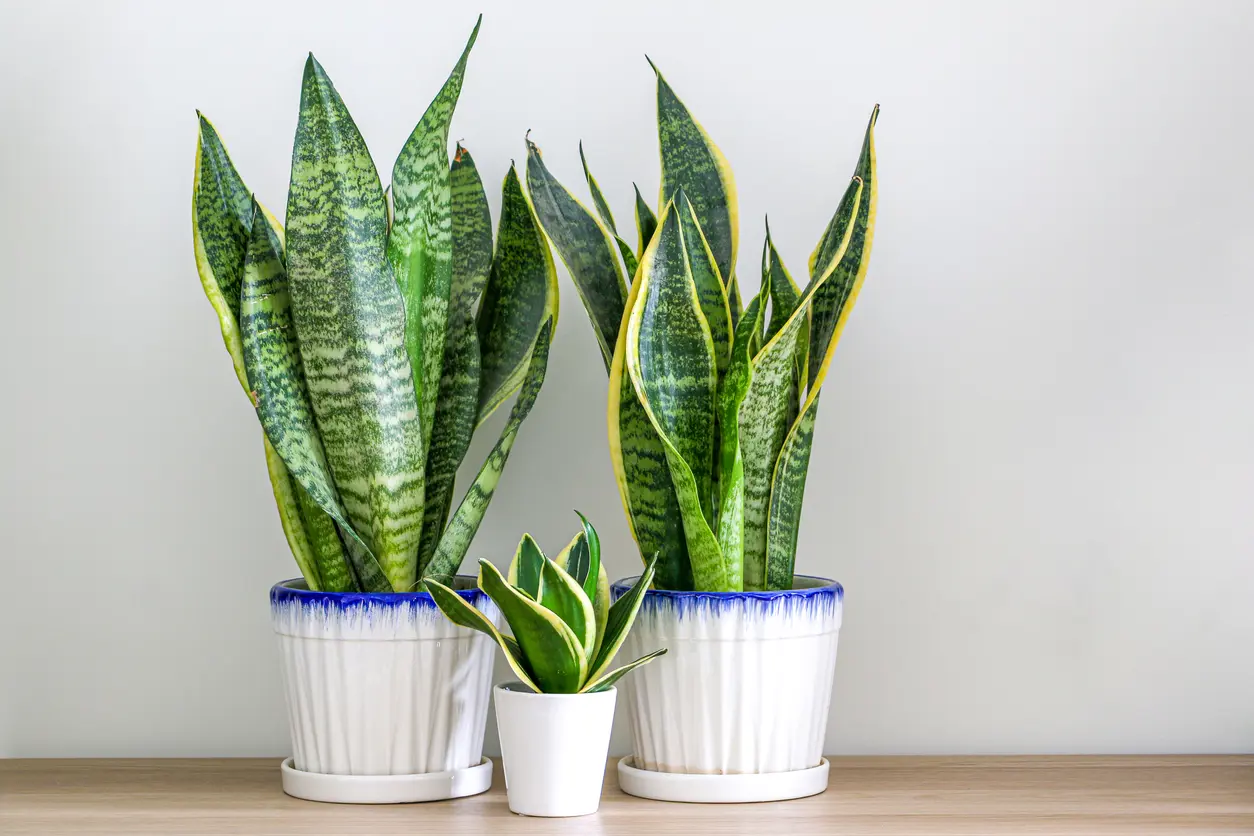
How to Plant, Grow, and Care for Snake Plant
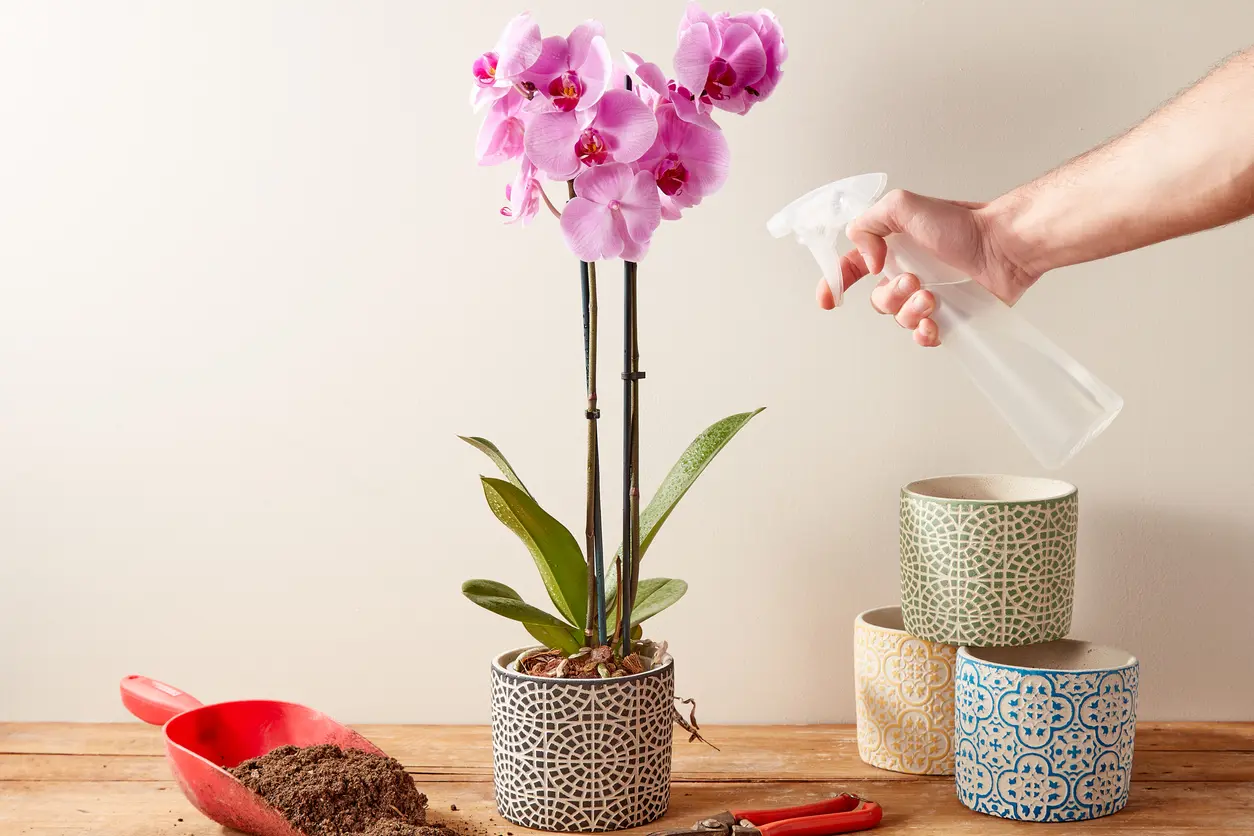
How To Grow, Care and Bloom Orchid Plant

How to Plant, Grow and Care for Basil
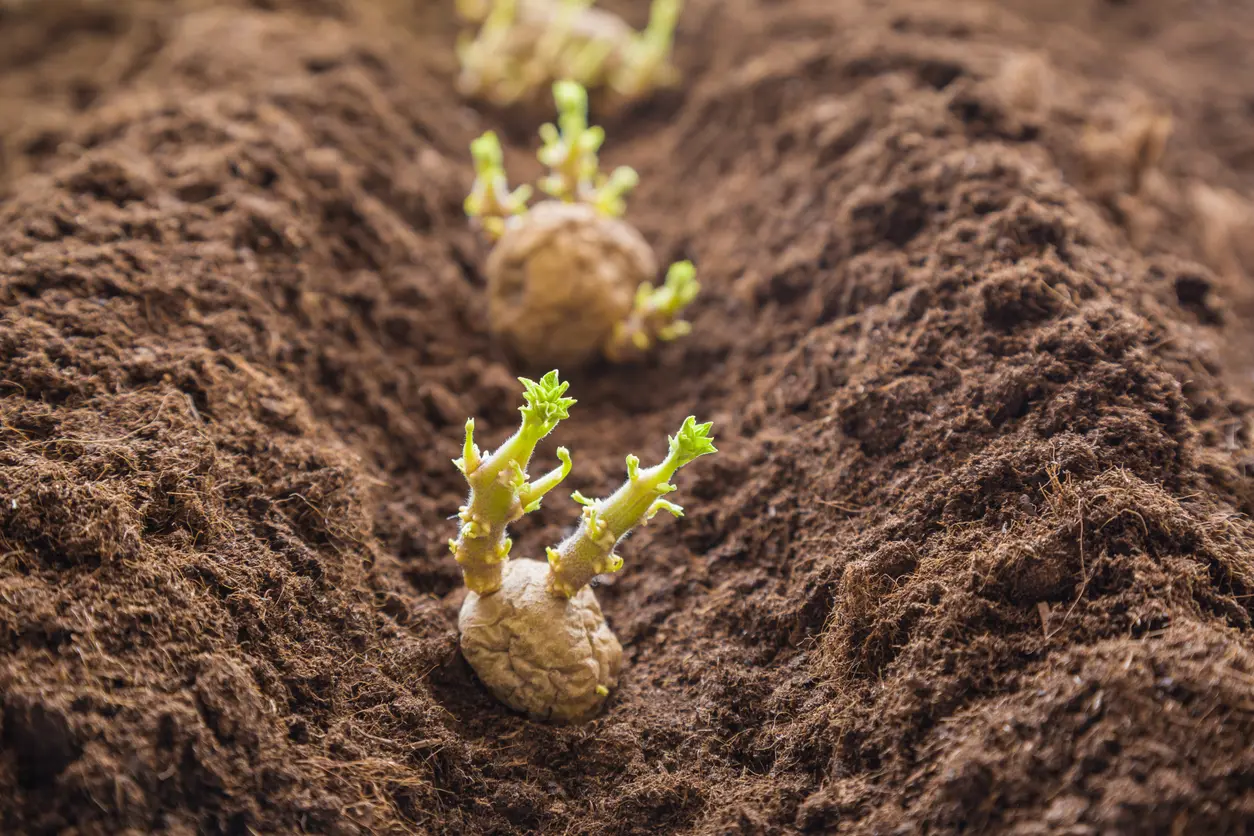
How To Plant, Grow, And Harvest Potatoes