How To Grow And Care For Fig Trees

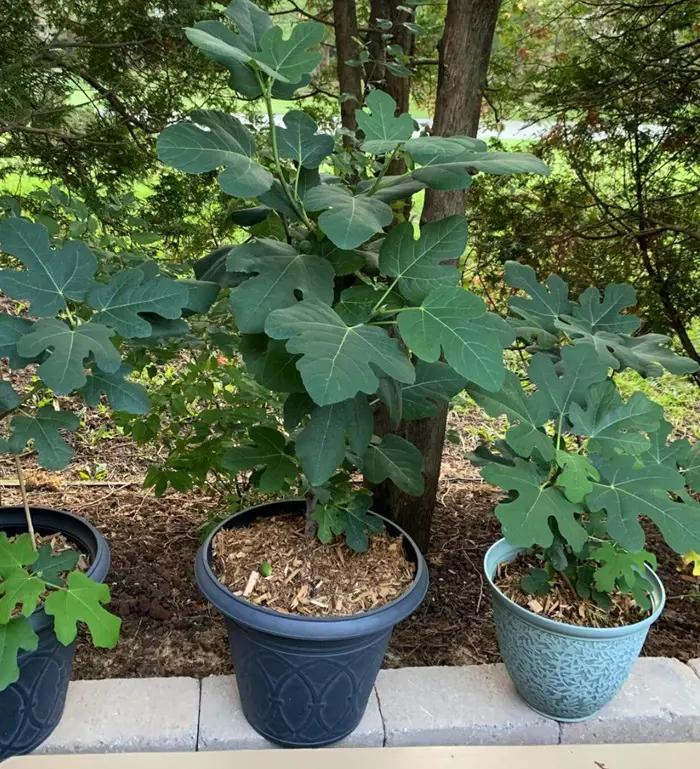
Figs are delicious fruits that have been enjoyed for centuries. If you seek to grow them at your home, it is not difficult to do so. However, you need to understand the proper ways to grow and care for them, for long-term value.
These adaptable trees thrive in warmer climates with sunshine and are surprisingly low-maintenance plants. Watering and food sources should be maintained at all times for proper growth.
This guide will walk you through everything you need to know about growing a Fig tree. From choosing the perfect location to pruning, let's enjoy the taste of homegrown success.
What Is A Fig Tree?
Fig trees have been cultivated for millennia and are famous for their lobed leaves and unique fruit. The most common fig tree is known as Ficus carica. It is common because it doesn't need pollination to yield them.
There are lots of varieties of fig trees in the world. More than 850 species are present and live in different hardiness zones. Some can grow in Zone 6 while some need Zone 8 to grow properly.
They also come in different heights, some are small bushes while others can go up to 30 feet. However, for home purposes, the Fig trees are sold as potted plants or bare root trees.
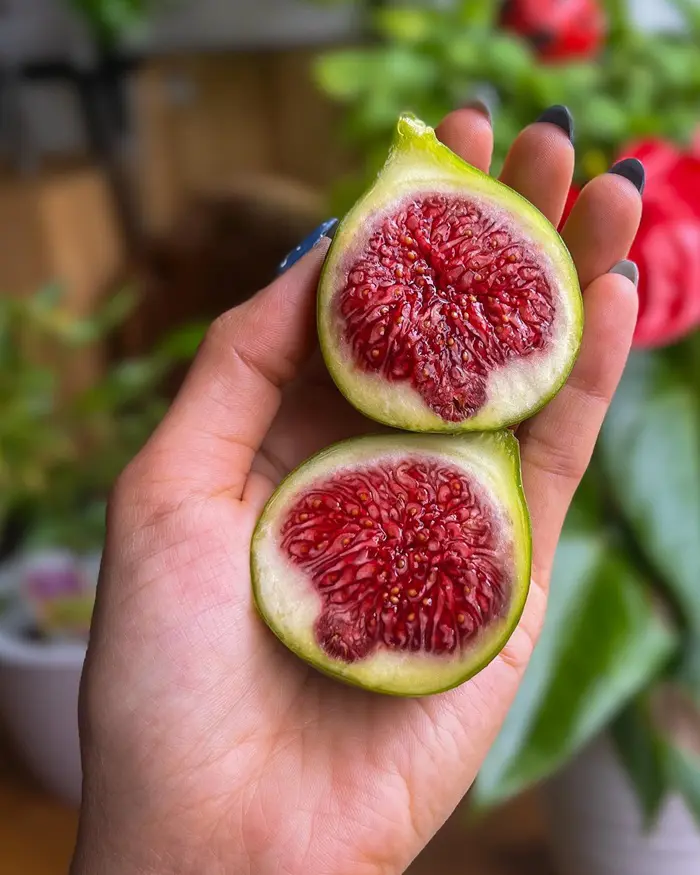
Figs fruit can be eaten, both raw or cooked. Their intriguing fruit is called syconia (a type of flower), and it is packed with tiny florets and crunchy seeds. These fruits offer good amounts of fiber and minerals.
Types of Fig Found In The World
There are many fig plants that an aspiring gardener should know before purchasing one. Each species is unique and can have different growth tendencies. Some of them are:
- Common Fig - This variant is mostly grown in home gardens. It includes varieties like 'Black Mission' and 'Brown Turkey.'
- San Pedro Fig - This fig annually produces two crops, only the first is self-pollinating.
- Ficus palmata - This species is known as the Indian fig, and it is native to the Middle East and South Asia.
- Little Miss Figgy - This is the dwarf variant of the Fig species. It will only grow up to 4 feet in height.
- Celeste (Sugar Fig) - This fig species can grow in a relatively colder area and is disease-resistant. It can make sweet fruit with purple skin.
When To Plant Fig Trees?
The first step to knowing about Fig trees is to understand the right time for their growth. If you grow them at the wrong period, then you will botch the growth process entirely.
The best time to grow fig tree would be during late winter or early spring, just before the growing season begins. If you are in a region where there are mild winters, then you should grow figs in late fall.
Fall planting works well in warmer climates, allowing the tree to settle in before the ground freezes. Meanwhile, spring will give you a head start on making roots.
Hence, planting Figs during these times allows the tree to produce roots before the summer heat or the winter cold. You should grow them in a sunny area without any frost risk.
How Can You Plant A Fig Tree?
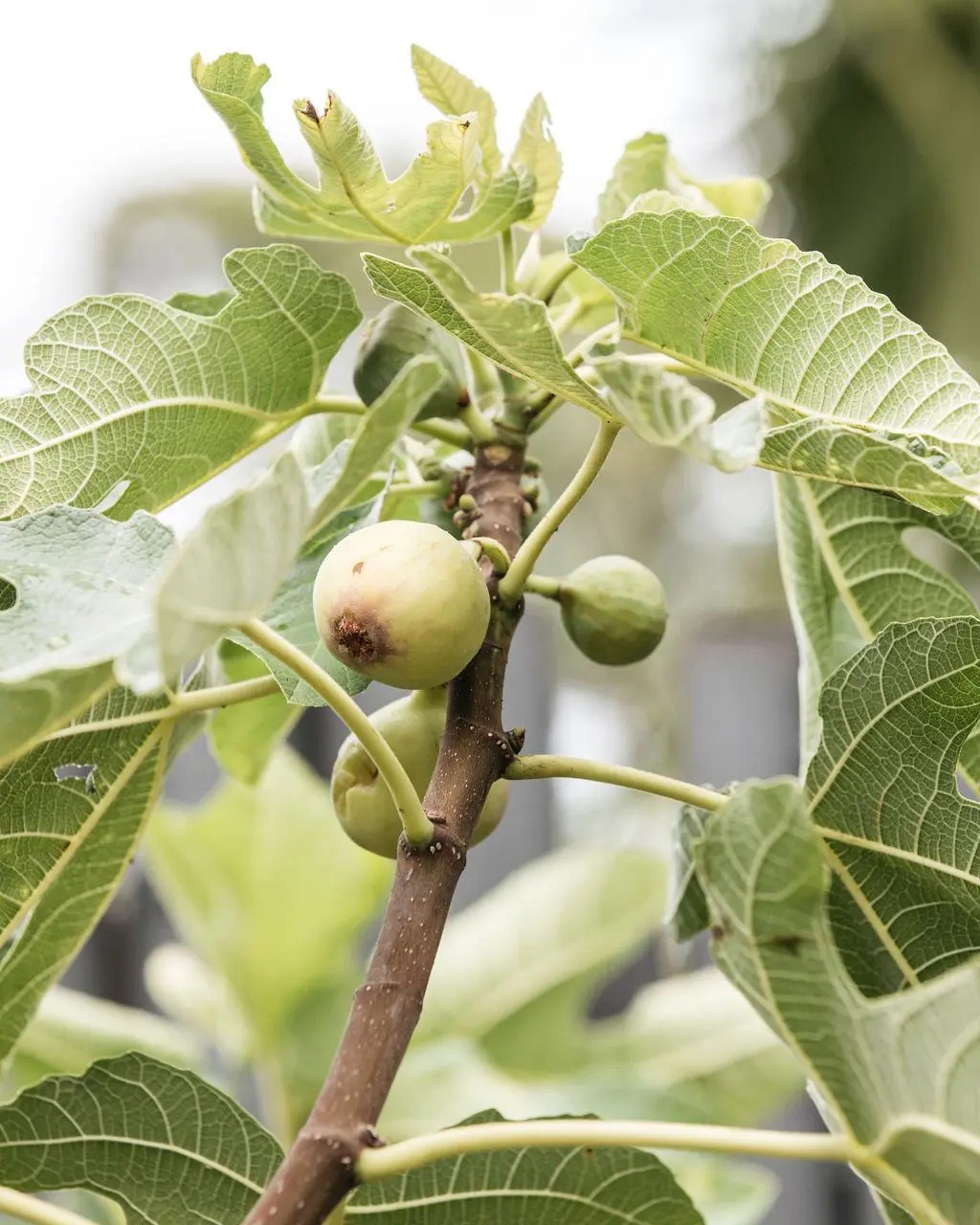
Planting a fig tree is straightforward without any complex rituals. First, you need to choose a perfect location for growth, preferably a sunny area. The soil should be well-drained too.
You can begin by digging a hole twice as wide and just as deep as the root ball. You will put compost into the soil to boost fertility. Now, place the tree in the hole and ensure the roots are spread out so that they can get proper nutrients.
The hole should be filled with soil completely so that air pockets don't arise. Press the hole gently after filling the area with soil.
Every gardener needs to understand how to plant them properly before applying them to their pots or garden. In the pot's situation, you may have to cut through the circling roots before planting them.
Selection of a Planting Site
Choosing the perfect spot for your fig tree is key to bountiful harvests. It is vital to research the best possible planting site in your home so that the Figs bloom properly.
Your initial thought should be to put Figs in a sunny location with well-drained soil. These trees thrive in full sun and need at least 6 to 8 hours of direct sunlight daily.
The soil should be fertile and there should be sufficient spaces for the Fig to efficiently spread its roots out. Moreover, you should take care of the winds, and make sure that the branches are taken care of.
If you are living in a cooler area, then you can select the Fig tree's location in the south-facing area for optimal growth. Meanwhile, Figs can be placed on a sunny porch or patio. They should be moved indoors during the winter season.
Spacing For Fig Trees
Proper spacing is essential for growing figs outdoors. It is essential to dig a hole that is wider and deeper than the root ball. This will allow the roots to space properly without competing for resources
First of all, you need to take the potted fig and gently pull them out. If you have bare root trees, then you need to soak them in water for some time.
Since these trees require plenty of sunlight and air circulation, it's best to space them 15-20 feet apart if you're planting multiple trees. However, if you are planting a smaller Fig species, then you can space about 10 feet.
There are many benefits of proper spacing. Good spacing techniques ensure that fig trees gain the required nutrients, water, and light sufficiently. This leads to robust, productive trees.
How To Care A Fig Tree?
Fig trees take three to five years to grow a ripened fruit. During these years, you should take proper guidance in caring for these beautiful trees with adequate light, soil, temperature, and water.
Patience is an essential factor needed by every gardener. You should research the best settings for light and soil environments, and know the watering techniques. With the right care, your figs are certainly going to prosper.
Light
Figs grow better in full sun and require at least 6 to 8 hours of direct sunlight daily to produce abundant fruit. Sufficient light ensures vigorous growth, high fruit yield, and optimal sugar content in the figs.
Likewise, insufficient light may lead to fewer fruits, leggy growth, and bad overall health of Figs. Placing them near south or west-facing windows for indoor trees maximizes light exposure.
Soil
Selection of the right soil is integral for the proper care and growth of a Fig tree. They thrive in well-drained soils rich in organic matter. The ideal is loamy soils with a slightly acidic to neutral pH (6.0-6.5).
Proper drainage is essential as it aids in the prevention of root rot. You can also put Mulch which helps retain moisture and regulate soil temperature. Also, test the soil frequently to maintain optimal nutrient levels.
Water
Watering must be done frequently to maintain the growth of Fig trees. Young figs and potted ones should get 1 inch of water every week. This will help in the growth without waterlogging issues.
Moisture is essential for the plants to grow properly. It is crucial to monitor leaf color and fruit production, adjusting watering based on environmental conditions and the tree's health.
Fig trees that are already established outdoors do not need frequent watering. They can survive on rainfalls.
Temperature and Humidity
Optimal growth of Fig tree can occur in temperatures ranging from 60 to 85 F. They can tolerate lower temperatures, but a continued cold climate will hamper their growth, even killing them.
Meanwhile, humidity levels should be around 50-60%. Excessive humidity might promote fungal diseases like rust and leaf spots. These trees can grow in Zone 8 and above, but some cold-resistant can work in Zone 6 too.
Fertilizer
Although Fig trees are not heavy feeders, they should still get adequate amounts of fertilizers on an annual basis. The perfect time to apply a balanced fertilizer or compost is in spring.
Fertilizers become important for potted plants, which require monthly application of fertilizers to thrive well indoors.
Propagation
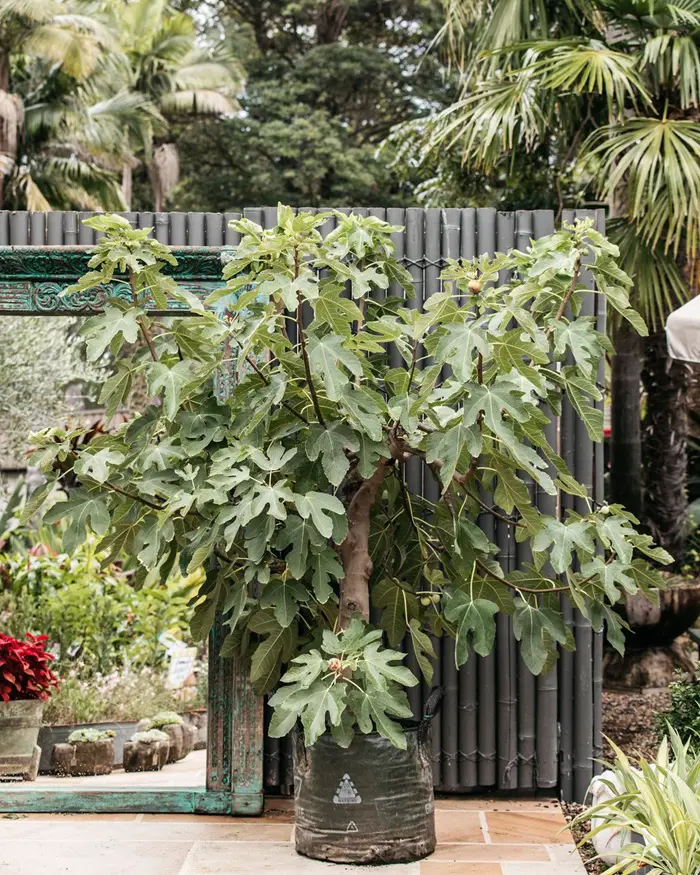
Propagation methods help you to multiply your homegrown Figs with ease and simple caring tips. With these self-replication ideas, you can reward yourself with more Fig trees in a short time.
Multiple propagation methods can help you to create a new Fig from the existing plant. Stem Cutting and Layering are the most popular ones employed by the gardeners.
Stem Cutting
This is the most common method for a Fig tree. In this method, you will choose a healthy, mature fig tree from where you will cut a stem. You have to make a clean, angled cut below a bud and another above a bud.
You can dip the cut ends in the rooting hormone to speed its growth. Now, plant the cuttings in a well-drained potted mix that features moist soil. YOu can also create a mini-greenhouse by wrapping the new container in a plastic bag.
Layering
Layering is another sought-after method for propagating a Fig tree. If you have a low-growing tree, then you should opt for the ground layering technique. Begin by selecting a healthy Fig branch and making a small incision.
After making the incision, you need to pin it down with the help of a wire hook. The incision should be covered with a moist soil. After some time, a new Fig plant can arise from that branch.
Another variant technique is the air one. For this, you should girdle a small branch and then apply rooting hormone and moist sphagnum moss in the affected area.
Wrap it and you can see new roots developing in that area. Once you see these roots, it is safe to cut the branch below the roots and put them in a new pot.
Pruning Of A Fig Tree
With the presence of luscious fruits and attractive foliage, the Fig tree is a sight to behold for every home garden. However, proper care is essential to maintain its growth and long life. One such caring method is pruning.
Although pruning is not an essential step in the growth of Fig trees, they can still support growth and maintenance. You can start by removing any dead, diseased, or damaged branches to promote better air circulation and sunlight penetration.
Pruning becomes effective during the Fig's dormant season, usually late fall, to shape its growth. If there are crowded branches, then you should thin them out properly.
You can also cut the main branches (up to 1/3 of the branch) of the younger ones to stimulate new growth. Consistent pruning techniques will maintain the tree's health and maintain its fruit stock.
Fig Tree Overwintering
If you are planting Fig trees in warmer areas, then you don't need to worry about winter. This issue applies to cooler locations where the winter season can hit the Fig tree quite hard.
So, the question may arise of how to overwinter a Fig tree throughout the cold season. The best way is to wrap the tree with burlap or horticultural fleece to protect it from frost. This will shield the Fig tree from extreme cold.
You can also mulch around the root base to insulate Fig trees from the cold. Mulching and wrapping techniques can decrease the chance of the plant dying in winter.
Alternatively, you can also move the trees indoors or in a sheltered zone by placing them in a large container. You can put them in your home's basement or garage which will help it avoid harsh winter.
Pesticides And Diseases
Pesticides are crucial in managing diseases in fig trees, which are vulnerable to multiple pests and pathogens. Fig rust is the most common disease, which is caused by the fungus named Cerotelium fici.
While Fig rust is not fatal, it still weakens the tree. You can remedy this by removing infected leaves and fallen fruit and applying fungicide as a preventative measure.
Other Fungi like Botrytis cinerea and Ceratocystis fimbriata love moisture. If they appear on Fig trees, they might cause leaf spots, wilting, and fruit rot. Proper air circulation and no overhead watering help prevent these.
If there are severe cases of infection, then you can apply stronger pest controllers.


How To Plant And Grow Amaryllis Bulbs?

How to Plant, Grow and Care for Peace Lily
How to Plant, Grow, and Care for Snake Plant

How To Grow, Care and Bloom Orchid Plant

How to Plant, Grow and Care for Basil
How To Plant, Grow, And Harvest Potatoes