How To Clean A Microfiber Couch At Home

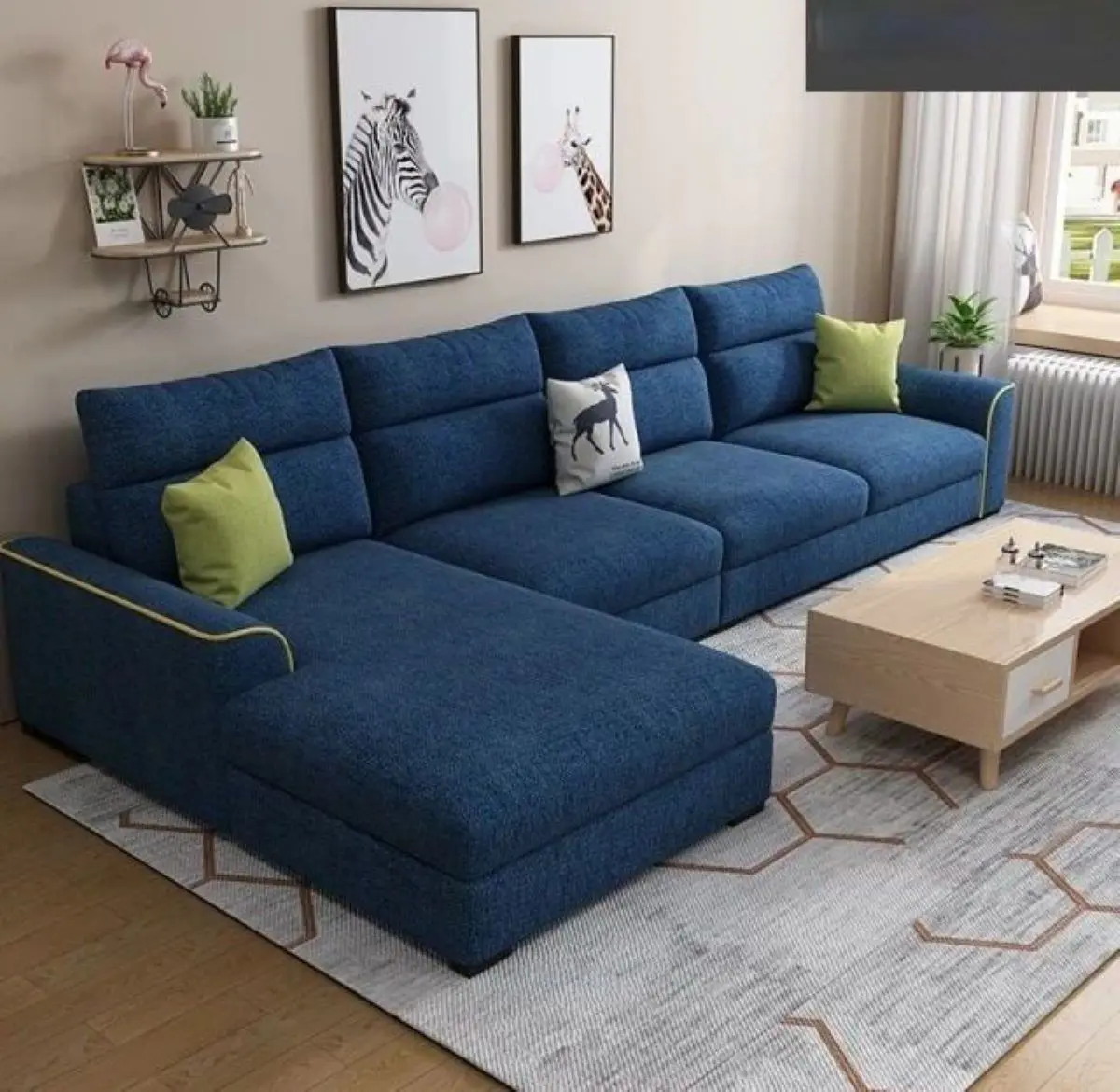
Microfiber sofas are a hefty investment and worth it if they last up to 15 years. This number, however, can dwindle if they are not maintained. We understand you bought this couch type specifically for its ability to withstand wear and tear better than other couches.
Yet, like any other couch, it does take a hit from daily use. It will likely collect dust, pet hair, skin oils, and food stains if you and your family love spending time on the couch. These factors will reduce its lifespan, and preventing that from happening requires maintenance.
You should learn how to clean a microfiber couch if you don't want your investment going down the drain. Here are our tips on how to clean a microfiber sofa.
Microfiber 101
What Is Microfiber?
Microfiber is a fabric made with ultra-thin synthetic fibers. How thin, you ask? About one-fifth of a human hair!
It is usually made of synthetic polyester, a common fabric for inexpensive couches. Over the years, manufacturers have woven the fiber strands tightly for luxurious couches.
Pros of Microfiber
High durability characterizes microfiber. The material will not fade in color after washing it even up to 1,000 times.
It is also partially resistant to water and stains. If you spoil it by spilling liquid, there will be no stains as long as you mop up immediately.
Cons of Microfiber
Notice that we said somewhat water-repellant and stain-resistant? That’s because your couch will stain if you don’t clean up spills immediately.
Even simple things like water will leave a mark. Also, this fabric type is prone to oil stains from human hair and skin because it penetrates the fibers and gets lodged.
How Can I Clean A Microfiber Couch
Part of understanding how can you clean a microfiber couch is knowing that you cannot use any method you like. You have to use the correct one.
So, how do you determine the correct method? Check under the sofa or the cushions, you will spot a tag with a letter. The letter represents the cleaning code for your couch. Here is what each cleaning code means:
- W: W is for water/water-based cleaners. You cannot use any cleaners unless it is water-based like all-purpose cleaners, carpet shampoo, dishwashing soap, etc. If, possible, use expert-recommended upholstery cleaners.
- S: S represents solvent-based cleaner. You cannot use water/water-based cleaners. What you can use is rubbing alcohol, clear alcohols, dry-clean solvents, or baby wipes. These cleaners are flammable, so be careful. Use them in a well-aired room.
- S-W: You can use either water or solvent.
- X: You cannot use any cleaning agent, or it will stain and shrink your couch fabric. You can only vacuum it. For deep cleaning, you need to visit a dry cleaner.
How to Clean a Microfiber Sofa: Water and Soap (W label)
Supplies
- Microfiber cloth
- Liquid dish soap
- Vacuum with crevice attachments
- Soft-bristle brush or sponge
- Two buckets or large bowls
- Warm water Instructions
Step 1: Thoroughly Vacuum Your Couch
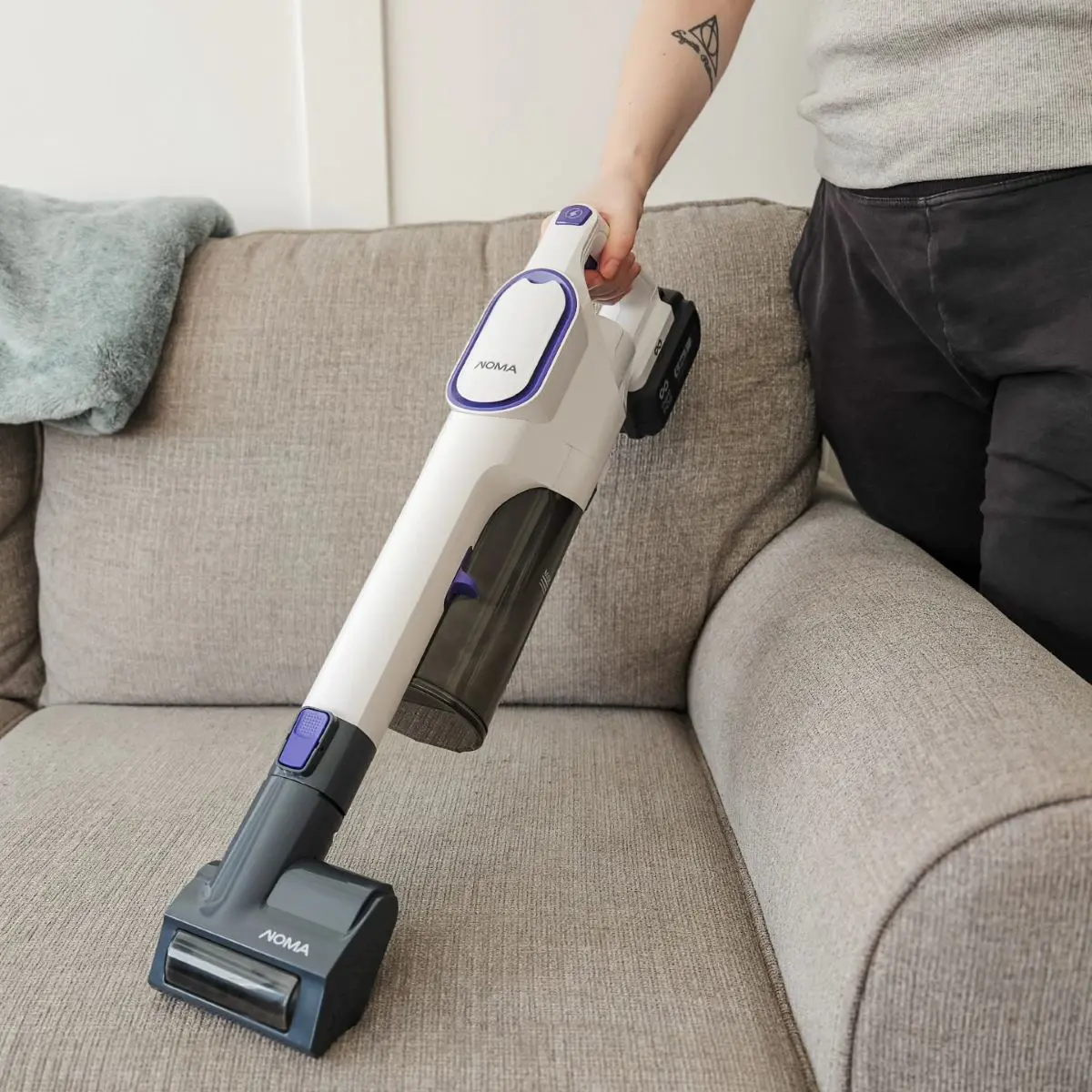
Prior to wetting your couch with moisture and soap, clear all the crevices and surface build-up with the upholstery tool. Utilize the crevice attachment of the vacuum cleaner to cover every section of the sofa and remove as much of the dirt, pet hairs, and food debris as you can.
Put aside the removable cushions (if they are removable) and vacuum underneath the couch and the cushions as well. Residual dirt could cake up and cause an even bigger issue, so be as thorough as you can. For stubborn hair and debris, run a lint roller over in between vacuuming.
Step 2: Make and Test the Cleaning Solution
Fill the one bucket/bowl with twice as much warm water to dishwashing soap and whisk to combine. Fill the second one with clean, warm water for rinsing later on.
Once you have the cleaning solution, test it on a small spot to confirm that it does not cause loss or water spots. It is always better to be extra safe than regret it later.
Step 3: Scrub Your Couch Lightly
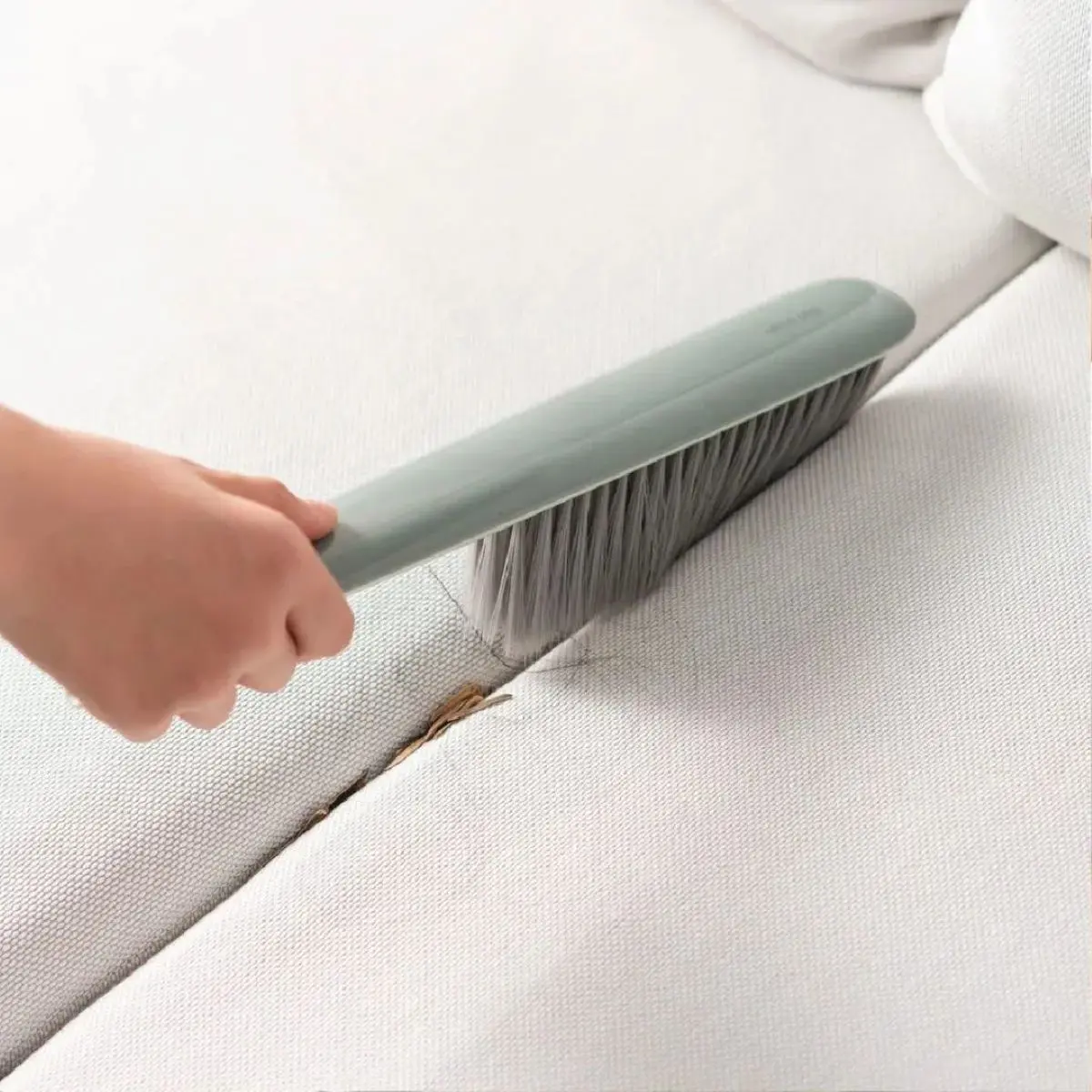
Now, dip your brush or sponge in the soap suds only and not deep in the solution. The brush should be slightly damp and not soaking wet. Massage the suds gently but firmly onto the fabric in a circular motion. Work your way from the top to prevent the dirty suds from dripping onto already-cleaned areas.
When the brush gets dry, rinse it in clean water and let all the moisture drip away before dipping it in the soap suds. Remember, the brush cannot be soaking wet. Repeat the steps until you’ve cleaned the entire sofa.
Step 4: Wipe down your couch with a damp microfiber cloth
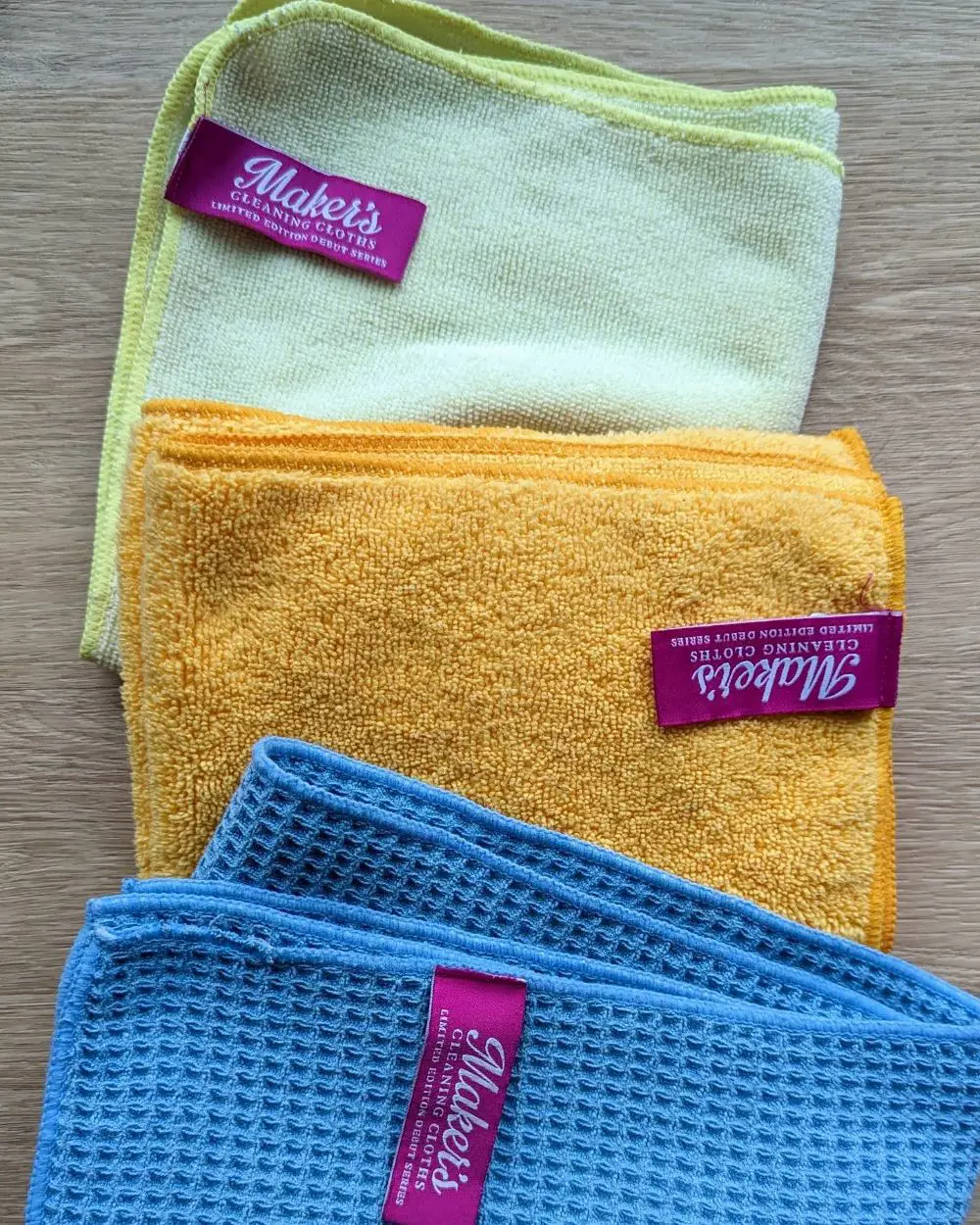
Once you are done cleaning an area, dampen a clean microfiber cloth slightly in clean water to rinse off the soap and lift away the remaining grime and oils. Work from top to bottom.
After wiping an area, rinse the cloth in clean water and wring out every last drop of water to prevent wetting the couch, which could cause water rings and satins. Repeat these steps until you are done.
Step 5: Air-dry your couch and vacuum again
Step away from the couch area and let it air dry. Do not sit on it, and allow the cushions to dry separately if they were disassembled.
For faster drying, open the windows and turn on the fans. Once your sofa is dry, you may vacuum it to lift the clean fibers for that fluffy texture. Your couch will be in pristine condition.
Before you move on to your next chore, clean your microfiber cloth, the one you used earlier so that it is ready to use when you need it.
How to Wash a Microfiber Couch: Rubbing Alcohol (S label)
For sofas marked with S, you could use rubbing alcohol. It is more affordable than most commercial cleaners. You could also use other upholstery cleaners.
Pro tip: Unlike water-based cleaning that can clean the entire sofa, solvent-based couch cleaning is better for spot cleaning. It would be wise of you to hire a professional if your entire couch needs cleaning.
Supplies:
- Vacuum with the upholstery attachment
- Spray bottle
- Rubbing alcohol (70 or 91 percent is okay)
- Cotton cloth
Instructions:
Step 1: Vacuum first
Before you do anything, vacuum your couch thoroughly.
Get every little crumbs, dust, and hair in the nooks and crannies with the crevice attachment. Use a lint roller if you must.
Step 2: Spritz the rubbing alcohol
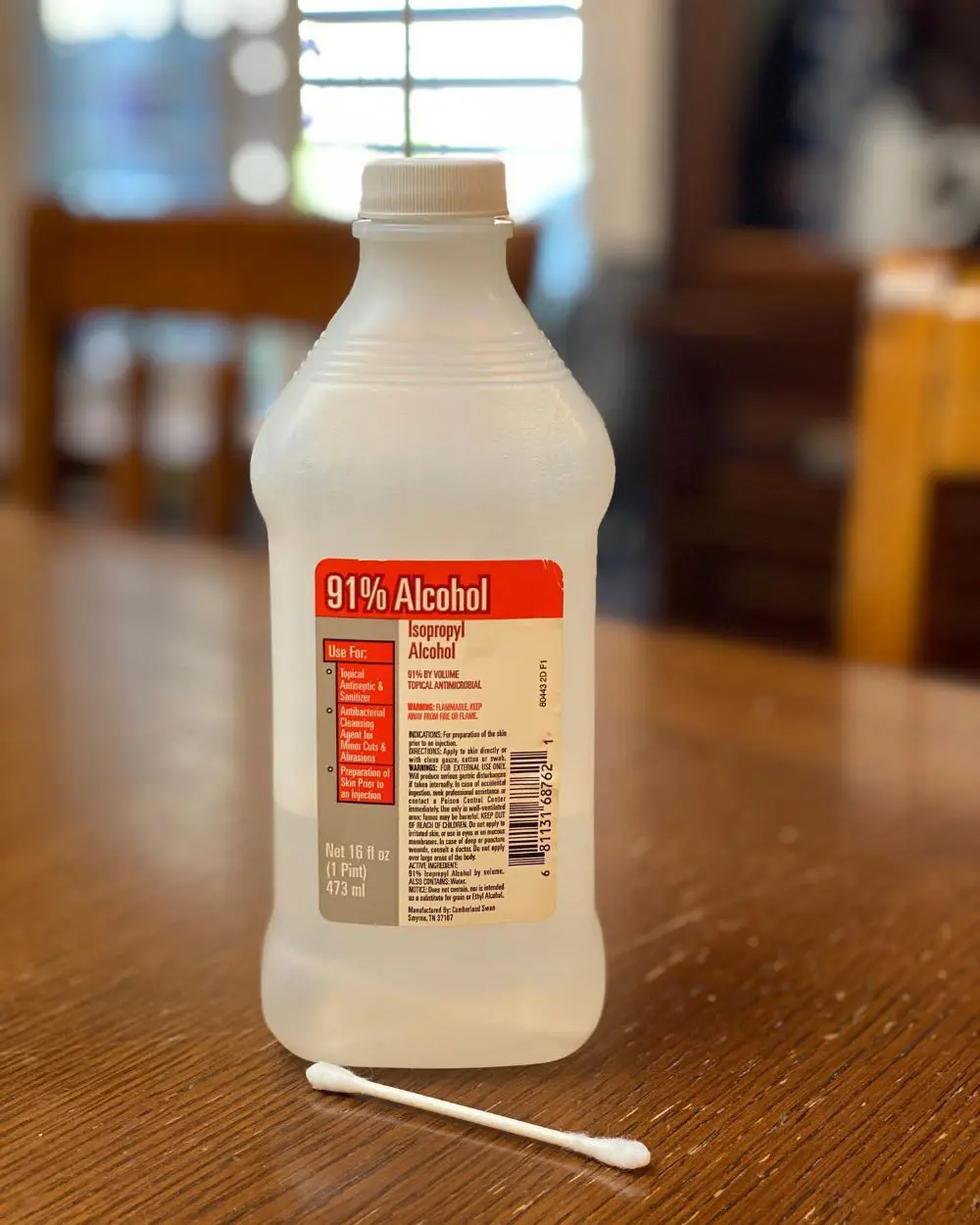
Lightly spritz the stained areas of the couch with rubbing alcohol after transferring it into a spray bottle. Dilution is not necessary so use as is.
If using a commercial product, follow the label directions.
Step 3: Gently rub the stain with a cotton cloth
Allow the alcohol to settle onto the fibers for a few minutes. The stain will start to lift from the surrounding fibers. Then, take a cotton cloth and rub at the stains. Avoid aggression or rough handling, and apply more alcohol if needed.
Some stains may be stubborn and require a second treatment with a clean cloth. You will know the stain is lifting off the fibers when the cotton cloth starts staining.
Step 4: Let the treated spot dry and finish with a vacuum
When you are done tackling all the stains, let the couch air dry. You will know if the stain was completely removed or not once the couch dries.
If stains linger, repeat steps 2 and 3. Give your couch a final vacuum to restore its original texture.
How to Remove Some Common Stains
After checking the couch label, inspect the stain to identify it and then use the methods below to spot clean microfiber couches of the stain:
1. Marker
If your children have drawn on your couch with a marker, get your baking soda ready.
- Add a generous amount of the fine white powder to the marker stain and dab it with a microfiber cloth.
- Let it penetrate the fibers of the couch for half an hour.
- After 30 minutes, wipe off the leftover powder with a damp microfiber cloth.
- Let the treated spot dry and check if the baking soda was effective.
- Repeat the process until you are all the marker dye is gone.
- If the treated area feels stiff, brush it softly with a soft-bristled brush to fluff the fibers.
2. Vomit
Children create messes, like vomit. The good news is that you can take care of this stain with some baking powder.
- Using a blunt knife, scrape off the solid sick and use paper towels to blot dry the remaining moisture.
- Then take water and wet that area.
- Apply and spread a thick layer of baking soda all over the damp area. Let the powder work its magic on the fibers.
- Vacuum the residue of the furniture.
- Repeat steps 2, 3, and 4 to tackle the stench and remaining stain.
- Then, pour club soda onto the vomit stain directly.
- Spray clean water to rinse the soda and wipe with a dry cloth until the stain is no longer visible.
3. Lipstick
For a painless stubborn lipstick stain removal, use rubbing alcohol. It dries quickly without leaving a wet stain.
- Spray some of the alcohol on a clean microfibre cloth and dab the stain away. Don’t rub as it will spread the stain.
- After that, get a dry microfiber cloth and dab dry the alcohol.
- Allow the couch to air dry.
- Repeat the process until the lipstick is gone.
4. Grease
Removing grease and oil from your couch starts with a little bit of cornstarch. It has a granular texture that can abrase these stains.
- Sprinkle cornstarch on the stain and dab with a microfiber cloth.
- Allow cornstarch to work the grease/oil.
- After an hour, light scrub the area using a damp, white microfiber cloth to eradicate the grease/oil.
5. Fresh Chewing Gum
For chewing gum, you need to use a wholly different method. It is easier to remove the gum when it hardens.
- So, put 2 to 3 ice cubes wrapped in a sealed plastic bag on the chewing gum.
- Leave the ice as is for 30 minutes to let the gum harden.
- Scrape off the gum cautiously with a blunt knife once it hardens.
- Apply oil soap on the gum residues and work it in using a soft brush.
- Use a damp cloth or towel to remove the oil-soaked residue.
- Air dry. Work in the oil soap and brush again if the stain remains.
How to Refresh a Stinky Microfiber Couch
With a smelly couch oftentimes comes a stench. You know your couch stinks when you are hit with an unpleasant smell when you plop on it.
Nothing is surprising about this if you and your family spend a lot of time on the couch. The smell means it is time to freshen up the padded furniture. Here are some quick and easy DIYs to get your couch clean and smelling nice.
- Vacuuming: In most cases, vacuuming can neutralize any light smells almost instantly. It is useful in cleaning dust, dirt, and other particles that contribute to foul odors. Use a brush attachment to access the tight and inaccessible spaces at the back and sides of the couch, as tiny particles might be hiding.
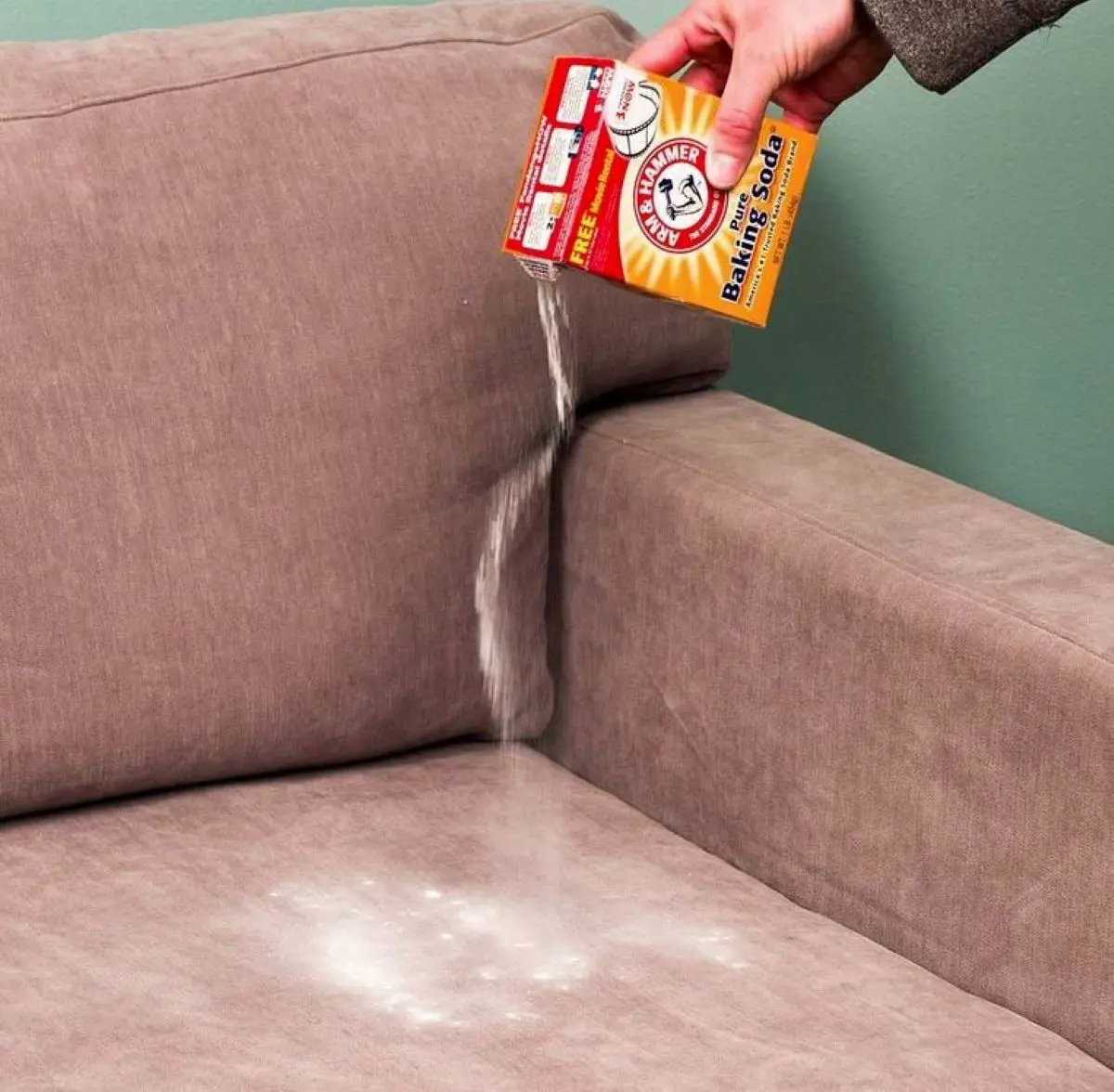
- Baking Soda: For stubborn odors, you need something extra. Enter baking soda! Sprinkle the fine white powder over the couch and let it sit overnight to absorb and neutralize odors. Vacuum it up the next morning.
- Vinegar Spray: Lightly mist diluted vinegar on the couch can help freshen the fabric.
- Sunlight: Sunlight’s UV radiation eliminates the bacteria that cause odor. Therefore, place the microfiber sofa under direct sunlight for a few hours whenever feasible.
Ways to Protect a Microfiber Sofa
Having your couch cleaned when it becomes dirty and maintaining it prolongs its lifespan. Here are some options for protecting your couch so they look and smell amazing.
Fabric and Upholstery Protector Spray
Most cleaning specialists endorse a spray-on upholstery protector on microfiber couches to avoid getting stains and dirt. The spray acts as a barrier against spills, dirt, and grime.
You don’t need a professional to help you apply this spray product to your sofa. For even application, hold the container six inches away from your couch and spray smoothly.
Couch Covers
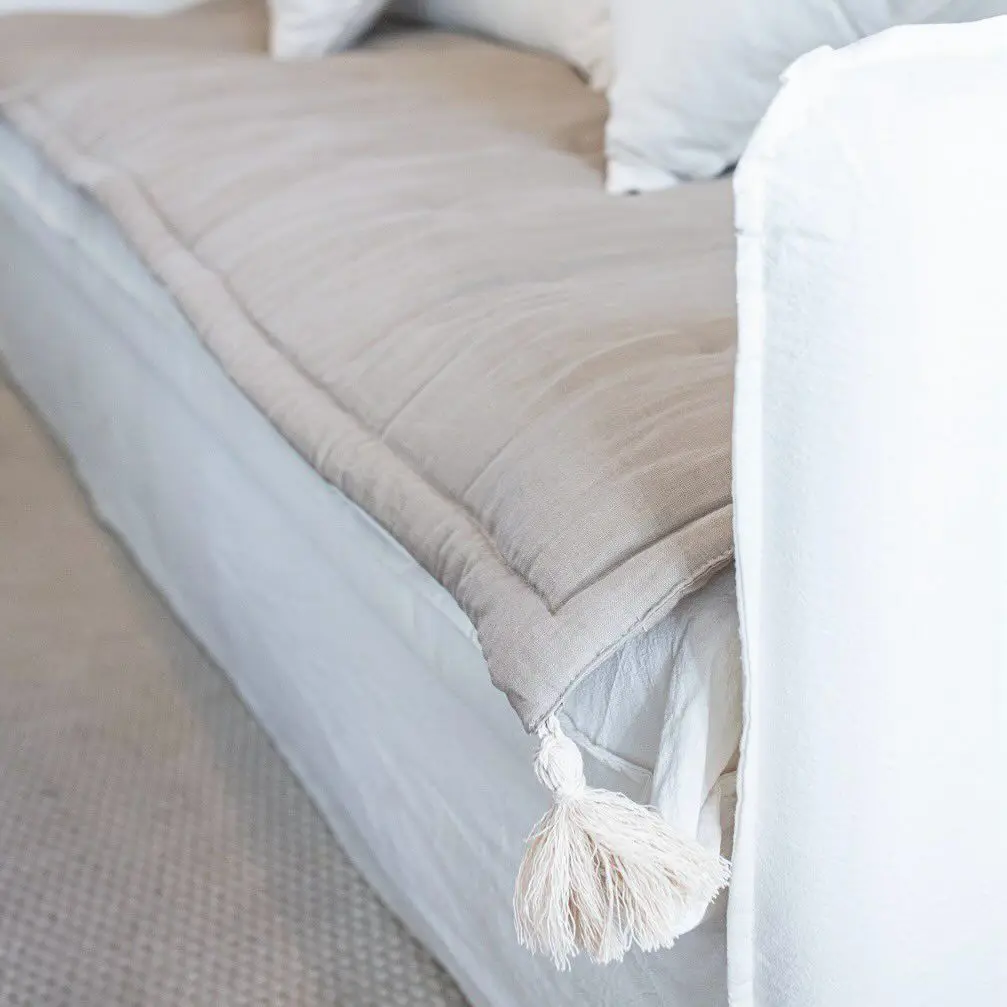
Protecting your couch against kids and pets is easier said than done. You cannot always run after them to limit their access to it, and neither can you prevent their accidents and spills. The only thing you can do is rely on couch covers. That way, it's the covers that bear the burden and not your couch.
Choose ones that can laundered in your washing machine. Besides protection, the covers can change the look of your decor. These covers come in various patterns, colors, and designs to reflect your preference and decor theme.
Keep Food and Drinks Away From the Couch
The main reasons for unsalvagable couches are food stains and spills. Red wine spills, juice boxes, and orange Cheetos fingers can ruin the look of your furniture and require replacements.
It is always safer to implement a "no food and drink" policy in the couch area than to spend hundreds of dollars for repair and replacement.
- So, Set aside space far from the couch for eating and drinking.
- Also, encourage family members and visitors to abide by the rule of not eating or drinking while seated on the couch.
- Use a tray or table if meals are allowed in the couch area for special occasions.
How Often to Clean a Microfiber Couch
For general upkeep, vacuum your couch weekly to remove dirt and dust before they get caught up in the fibers, and clean spills and stains immediately to prevent settling. Then, deep-clean your couch once in spring, summer, fall, and winter as part of your spring cleaning routine. If you have kids, it’s best to do it during school season.
However, for a family with young children and pets likely to be on the couch too often, once a season might be insufficient. Frequent usage means more dirt and is directly proportional to how often you should clean.


How To Get Rid Of Hard Water Stains In Any Surface
How To Get Rid Of Musty Smell

How To Get Rid of Skunk Smell
How To Get Mold Out Of Your Clothes Safely
How To Clean Mold Off Walls Properly

How To Get Rid of Bleach Smell In House