What Do Crickets Eat In Nature and Wild?

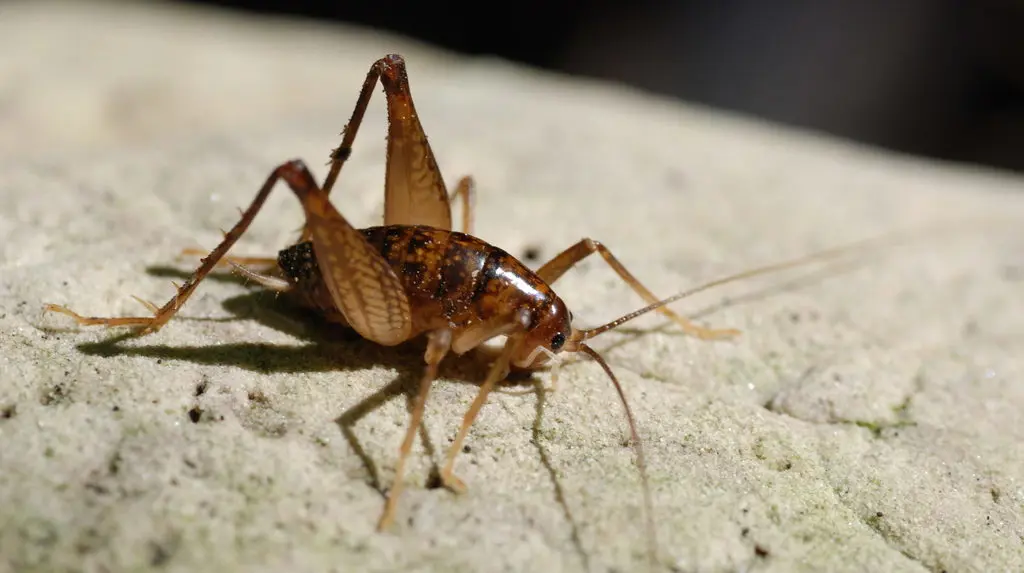
Crickets are small, jumping insects that are often heard chirping on warm summer nights, but there’s a lot more to them than their familiar sound. While crickets are known for being a part of our daily lives in nature, many people don’t realize how important their diet is in helping them survive and thrive. Understanding what crickets eat in the wild not only sheds light on their role in the ecosystem but also gives insight into their behavior and needs.
What Do Crickets Eat
Crickets are omnivores, which means they don’t stick to just one type of food. Instead, they are opportunistic feeders and will eat a wide variety of things based on availability. Their diet includes both plant and animal matter, which helps them get the nutrients they need to grow, reproduce, and survive. Here are the primary components of a cricket's diet:
Plants and Vegetation
Crickets are frequently seen nibbling on different types of plants. In nature, they feed on a variety of grasses, leaves, and even some fruits. They particularly enjoy tender, young plants and seedlings, as these are softer and easier to digest. As an expert in entomology, Dr. Sarah Mitchell, explains, "Crickets are well adapted to feeding on plant material, often choosing the soft, high-moisture leaves found in damp environments."
Decaying Organic Matter
In addition to fresh plants, crickets also consume decaying plant material and decomposing leaves. This role in breaking down organic matter helps keep ecosystems balanced by recycling nutrients back into the soil. “Crickets are scavengers,” says Dr. Robert Harris, a leading entomologist. “By feeding on decaying material, they play a vital role in the breakdown of organic matter and contribute to the health of the ecosystem."
Fungi and Mushrooms
Crickets are known to consume various types of fungi and mushrooms that grow in damp, shaded areas. These provide a rich source of nutrients and are easily accessible in environments like forests, gardens, and grasslands. Not all fungi are suitable for crickets, but they have a keen ability to recognize safe and nutritious types.
Insects and Small Creatures
Though crickets are generally plant-eaters, they are opportunistic enough to eat small insects, worms, and other invertebrates. They may hunt or scavenge dead animals, which provides them with much-needed protein. “Crickets have a varied diet that includes smaller insects when they can find them. This helps them grow stronger and more resilient," explains veterinarian Dr. Emily Jones.
Other Food Sources
Crickets have also been observed feeding on spilled seeds, grains, and even pet food, particularly in areas where they are in close proximity to human activity. However, in the wild, their diet mainly consists of what they can find in nature—things that are often overlooked by other animals.
How Crickets Forage for Food
Crickets are excellent foragers and have a well-developed sense of smell that helps them find food. They tend to stay close to areas that provide plenty of shelter, such as under rocks, logs, or leaf litter. These areas often house an abundance of organic material, which serves as their primary food source. As nocturnal creatures, crickets are most active at night, foraging in the darkness to avoid predators like birds, lizards, and other larger animals.
They use their long antennae to detect the presence of food in their environment. These antennae are incredibly sensitive, allowing crickets to "smell" food from a distance, even when it's buried under debris. Once they locate food, crickets will chew and swallow it using their mandibles, small jaw-like structures that are well-suited for grinding plant material and small animals.
What Happens When Food is Scarce?
Like any animal in the wild, crickets need to eat regularly to stay alive. However, they are capable of going without food for short periods if necessary. In times of food scarcity, crickets may become more aggressive in their foraging, seeking out anything that can sustain them. In severe cases, when food is hard to come by, crickets may even eat one another, a phenomenon known as cannibalism.
During particularly harsh environmental conditions, such as droughts or extreme cold, crickets may enter a dormant state. This behavior, known as diapause, allows crickets to survive for months without food or water by slowing down their metabolism. Once conditions improve, they will resume their regular eating habits.
Nutritional Needs of Crickets
Crickets are highly adaptable in their diet, but they do have certain nutritional needs to stay healthy. They require a balance of protein, carbohydrates, and fat to fuel their bodily functions. Protein is especially important for crickets during their growth and reproduction phases. They also need calcium for proper exoskeleton development and to support their nervous system.
This nutritional balance is why crickets are often fed a specialized diet in controlled environments such as cricket farms. While wild crickets may rely on natural food sources, crickets that are raised for pet food or bait are often fed a mix of grains, vegetables, and calcium supplements to ensure they are healthy and nutritious.
Ecological Role of Crickets: More Than Just Food
While crickets are important in their own right as a food source for many predators, they also contribute to the ecosystem in other ways. By eating decaying organic matter, they help break down dead plant material and return essential nutrients to the soil. This makes them an important part of the food web, both as consumers and as prey for other animals.
Crickets are also a source of food for many species, including birds, frogs, small mammals, and reptiles. In fact, crickets are considered an essential part of the diet for many predators, as they provide an easily digestible and nutrient-rich meal. “Crickets may seem small, but they are an important food source for many animals, especially in the wild,” says Dr. Harris. “Without crickets and other small insects, many creatures would struggle to find enough food.”
Conclusion: The Importance of a Cricket's Diet
Crickets may be small, but their diet is diverse and vital to both their survival and the health of the ecosystems they inhabit. From eating plant material to decomposing organic matter, these insects play an essential role in the natural world. They are opportunistic feeders that help break down organic matter, recycle nutrients into the soil, and provide food for a wide variety of animals.
Understanding what crickets eat in the wild gives us a deeper appreciation for the complexity of nature. It reminds us that even the smallest creatures have a big role to play in the web of life. Whether you’re listening to their chirps on a summer night or studying them in a laboratory, crickets are a reminder that every organism, no matter how small, has a place in the world.
As we continue to study and learn about these fascinating creatures, one thing is clear: crickets are much more than just background noise to our summer evenings. They are important players in the natural world, contributing to both the food chain and the balance of ecosystems.

What Do Praying Mantis Eat And Drink?
What Do Snails Eat In Your Home And Garden
Potato Blight: Causes, And How To Get Rid Of

Why Is My Hydrangea Not Blooming? 7 Reasons and Fixes To Know
Fertilizer Burn: What Does It Look Like And How To Fix?
What Does A Tick Bite Look Like And How To Deal It