What Do Moose Eat? Diet and Feeding Habits

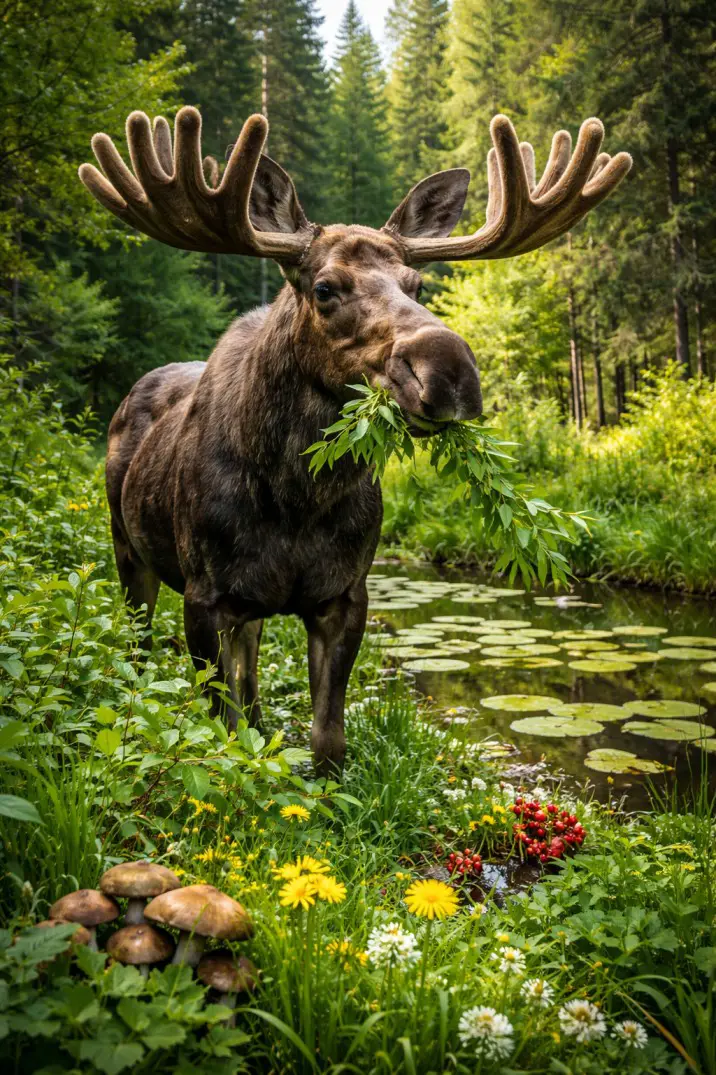
Moose, the largest members of the deer family, are iconic symbols of North American and Northern European wilderness. Known for their massive size, broad antlers, and long legs, these herbivores have unique dietary needs to sustain their towering bodies.
Understanding what moose eat is essential for wildlife enthusiasts, conservationists, and anyone curious about forest ecosystems. Moose diets are diverse, seasonal, and heavily influenced by the availability of vegetation in their habitats.
Seasonal Diet: How Moose Eating Habits Change
Moose diets vary significantly depending on the season. They are primarily browsers, meaning they feed on leaves, twigs, and woody plants rather than grazing on grass like deer or elk. Their diet can be broken down into seasonal patterns:
Spring and Summer
During warmer months, moose focus on nutrient-rich leaves, shoots, and aquatic plants. Fresh greenery is abundant, providing protein, vitamins, and minerals needed for growth and reproduction. Common spring and summer foods include:
-
Willow and birch shoots
-
Aspen leaves
-
Aquatic vegetation such as water lilies, pondweed, and horsetail
Moose often wade into ponds and marshes to feed on aquatic plants, which also supply essential sodium that is scarce in terrestrial vegetation. This behavior also helps moose cool down during hot summer days.
Fall
As leaves fall and plant availability decreases, moose shift to twigs, bark, and buds from shrubs and trees. This transitional diet helps prepare them for the harsh winter months. Their feeding patterns during fall are critical for building fat reserves, which are crucial for surviving winter.
Winter
Winter presents the toughest challenge for moose. Snow covers much of their food, so moose rely on woody browse such as:
-
Willow and birch twigs
-
Aspen bark
-
Conifer shoots
During this time, moose eat less but require more energy to stay warm, so they focus on high-calorie, fibrous woody plants. Their ability to digest tough, fibrous material allows them to survive where other herbivores might struggle.
Favorite Foods of Moose: Plants They Prefer
While moose are generalist herbivores, they do have favorite foods. These plants are high in nutrients and help moose maintain their massive size:
-
Willow – Young willow shoots are a preferred snack in both summer and winter.
-
Birch – Twigs, bark, and leaves of birch trees are essential during winter.
-
Aspen – Leaves and bark provide essential nutrients and are easy to digest.
-
Aquatic Plants – Moose love pondweed, cattails, and water lilies, which supply sodium and moisture.
-
Shrubs and Bushes – Various shrubs such as alder, blueberry, and raspberry provide vitamins and fiber.
Moose have large, specialized mouths and a split upper lip that helps them grasp twigs and leaves with precision. Their long tongues and flexible lips allow them to pull leaves from branches even in deep snow.
Digestive Adaptations: How Moose Process Their Food
Moose are ruminants, meaning they have a four-chambered stomach designed to digest tough plant material efficiently. After initial chewing, the food is stored in the rumen, where microbial fermentation breaks down cellulose. Moose then regurgitate and rechew the food (cud) to extract maximum nutrients.
This adaptation allows moose to survive on low-calorie, fibrous plants that many other herbivores cannot digest. Additionally, their slow metabolism during winter helps conserve energy when food is scarce.
Impact of Diet on Moose Behavior
The type and availability of food directly influence moose behavior:
-
Migration: Moose may move seasonally to find the best feeding grounds.
-
Social Interaction: Moose are generally solitary, but abundant food can bring multiple individuals into the same area.
-
Health and Reproduction: A well-balanced diet affects antler growth, reproductive success, and overall survival rates.
For instance, malnourished moose may produce smaller antlers and have lower calf survival rates.
Human Influence and Moose Diet
Human activities, such as logging, agriculture, and urban expansion, can alter moose feeding habits. Clearing forests can reduce the availability of preferred plants, while roadside salt licks may attract moose, sometimes causing vehicle collisions. Conservation efforts focus on preserving wetlands, forests, and natural vegetation that moose rely on.
Conclusion
Moose are fascinating herbivores with complex diets shaped by season, habitat, and food availability. From aquatic plants in summer to woody twigs in winter, they showcase remarkable adaptability and survival skills.
Understanding what moose eat provides insight into their behavior, ecological role, and the importance of protecting their natural habitats. By preserving wetlands and forests, we ensure that these majestic creatures continue to thrive in the wild.


What Do Monkeys Eat? Diet Types & Feeding Habits
What Do Zebras Eat? Diet and Feeding Habits

What Do Zooplankton Eat? A Comprehensive Guide to Their Diet
What Animals Eat Snakes? Top Snake Predators in the Wild

What Do Squirrels Eat In Your Home And Yard
What Do Mice Eat In Your Home And Wild