What Do Snails Eat In Your Home And Garden

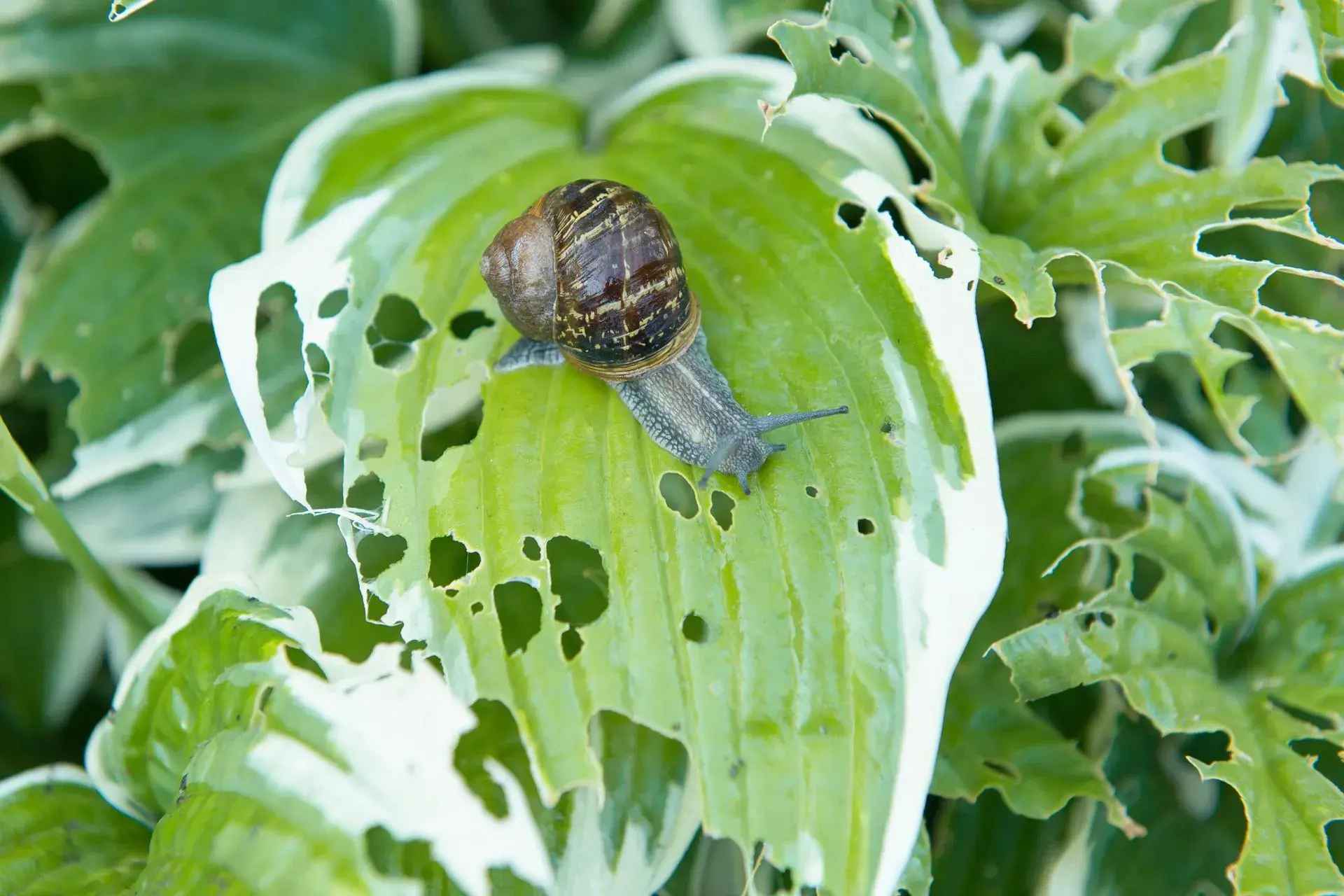
Snails are fascinating creatures that play a significant role in both indoor and outdoor ecosystems. They are mollusks, meaning they have soft bodies, often protected by a hard, spiral-shaped shell. Snails are known for their slow movement, but despite their leisurely pace, they can have a substantial impact on the environment, particularly in your garden or around the house. Understanding what snails eat is essential for both gardeners and homeowners, especially when these creatures can either be a helpful part of the ecosystem or a troublesome pest.
In this article, we'll take a deep dive into the types of food that snails consume, why they are drawn to certain foods, and how you can manage them in your home and garden.
The Diet of Snails: What Do Snails Eat?
Snails are primarily herbivores, meaning they mostly feed on plant material. However, the types of plants and organic matter snails consume can vary depending on the species, location, and available food sources. Generally speaking, snails are opportunistic feeders, meaning they will eat whatever is accessible to them. Below are the common types of food that snails are attracted to in both indoor and garden environments:
1. Leafy Vegetables and Plants
Snails are especially fond of tender, soft-leaved plants. These plants have higher moisture content, which snails need to stay hydrated. In the garden, you may find snails munching on various types of vegetables such as lettuce, spinach, cabbage, and other leafy greens. These plants are especially attractive to snails during their active feeding periods, usually at night or in moist, humid conditions.
Why they like it:
Tender, leafy greens are easy for snails to eat because they don’t require much effort to chew. The moisture in these plants is essential for snails to stay hydrated, as they are vulnerable to drying out.
2. Flowers and Flowering Plants
Snails will also eat flowers, especially if the blooms are soft and delicate. They are drawn to the petals and leaves of a variety of flowering plants, such as hostas, pansies, and daisies. In your garden, snails may also be attracted to plants like dahlias, tulips, and geraniums.
Why they like it:
Flowers are full of moisture, making them an ideal food source for snails. In addition, the soft, fleshy texture of the petals and leaves makes them easy to consume.
3. Fruits and Vegetables (In the Garden and Indoors)
In the garden, snails will often be attracted to overripe or fallen fruits. Fruits such as strawberries, tomatoes, and even apples can draw snails. Indoors, they may also find your fruit bowl a tempting feast, especially if a piece of fruit is overripe or starting to decay.
Why they like it:
Fruits are naturally sweet and full of water, which is important for snails to survive. They may prefer these foods over others due to the sugar content, which provides them with a quick source of energy.
4. Mosses, Algae, and Fungi
In damp, shaded areas, snails will often feed on moss, algae, and fungi. These organisms thrive in moist environments and are often found on the sides of garden walls, under rocks, or in areas that don’t get much direct sunlight. Snails particularly enjoy eating soft algae and fungi because they are rich in moisture and relatively easy to digest.
Why they like it:
Moss and algae are both abundant in moisture, and fungi provide a nutritious, easy-to-eat option for snails. These food sources are also often found in the damp, shaded areas where snails prefer to live.
5. Decaying Organic Matter
Snails also play an important role in breaking down organic matter. They are detritivores, meaning they feed on decaying plant material and dead organic matter. If you have a compost pile in your garden, snails may be attracted to the decomposing plant material and other organic matter present. They help break down the materials, returning nutrients to the soil.
Why they like it:
Decaying organic matter provides a rich, moist food source for snails. It is also easy for them to consume and digest, as the material is already broken down by bacteria and fungi.
How Snails Feed: The Process of Eating
Snails have specialized feeding mechanisms that allow them to eat a wide variety of foods. They have a unique structure in their mouths called a radula, which is essentially a rough, tongue-like organ covered with tiny, sharp teeth. The radula allows snails to scrape or cut up food, especially plant material, and bring it into their mouths for digestion. They move the radula back and forth like a rasp, grinding up the food.
Interestingly, snails are not always selective eaters. They may try to consume almost anything they encounter, especially if it’s soft and moist. While they are mainly herbivorous, some species of snails are omnivorous and will even eat small amounts of animal matter, such as dead insects or other small creatures. This can make snails opportunistic feeders in both the garden and around the home.
Snails in Your Garden: Friend or Foe?
While snails may seem harmless, they can be problematic for gardeners. If left unchecked, snails can quickly become pests, causing significant damage to plants and crops. They are particularly fond of young seedlings and tender plants, which they can consume rapidly. Snails create characteristic “tracks” across plant leaves, often leaving behind a trail of slimy mucus, which makes it easy to identify their presence.
In addition to damaging plants, snails can also cause problems for fruit and vegetable crops. They will eat ripe fruits and vegetables, especially those lying on the ground, leading to unsightly and sometimes ruined harvests.
However, snails are also important to the garden ecosystem. They are part of the natural decomposition process, helping to break down plant matter and return nutrients to the soil. They also serve as food for many other creatures, including birds, frogs, and some insects. In this way, snails contribute to the balance of nature.
How to Manage Snails in Your Garden
If you want to keep snails in check in your garden, there are several ways to manage their population:
Create Barriers:
You can use barriers like copper tape, diatomaceous earth, or sharp materials like crushed eggshells around your plants to deter snails. Snails dislike the rough texture and the copper, which can create an electrical charge that irritates them.
Hand-Picking:
If you have a smaller garden, one of the easiest ways to deal with snails is to go out at night, when they are most active, and hand-pick them off plants. You can then relocate them to a more appropriate area, such as a wild or unused corner of your yard.
Use Natural Predators:
Encourage natural predators, such as birds, frogs, and even certain species of beetles, to visit your garden. These animals help keep snail populations in check.
Maintain Garden Cleanliness:
Remove any overripe fruits or decaying plant matter, as these can attract snails. Keep your garden tidy and free of debris, which can also provide a hiding place for snails during the day.
Trap Snails:
You can create simple traps using beer or other attractants. Snails are drawn to the yeast in beer, and once they fall in, they won’t be able to escape.
Snails Indoors: What Do They Eat in the House?
If you find snails indoors, it’s likely they’ve come in looking for food or shelter. Indoors, snails are attracted to food sources like fruits, vegetables, and moist areas such as bathrooms or basements. They may also be attracted to houseplants, especially if the plants are watered regularly and have soft, tender leaves.
To manage snails indoors, remove any potential food sources, such as overripe fruit, and inspect your houseplants for signs of damage. You may need to seal cracks or gaps around windows and doors to prevent snails from getting inside.
Conclusion
Snails may seem like slow-moving creatures, but their eating habits can have a significant impact on your garden or home. Whether they’re nibbling on your favorite flowers, damaging vegetable crops, or feeding on decaying organic matter, understanding what snails eat can help you manage them more effectively.
In some cases, snails can be beneficial for the ecosystem, but in others, they can cause damage to plants and crops. By keeping an eye on their feeding habits and taking preventive measures, you can maintain a healthy balance between these fascinating creatures and your home or garden.

What Do Praying Mantis Eat And Drink?
What Do Crickets Eat In Nature and Wild?
Potato Blight: Causes, And How To Get Rid Of

Why Is My Hydrangea Not Blooming? 7 Reasons and Fixes To Know
Fertilizer Burn: What Does It Look Like And How To Fix?
What Does A Tick Bite Look Like And How To Deal It