How To Get Rid of Gnats In Bathroom

If the bathroom is a sanctuary and place of solace for you, the one thing that would ruin this experience is gnats floating and buzzing around, disturbing the peace you seek.
So, if you currently have gnats in your bathroom or are looking for measures to eliminate them the next time these nuisances arise, we have gathered simple strategies that explain how to get rid of bathroom gnats, from basic household DIYs to effective chemical solutions.
What is a Gnat Anyway?
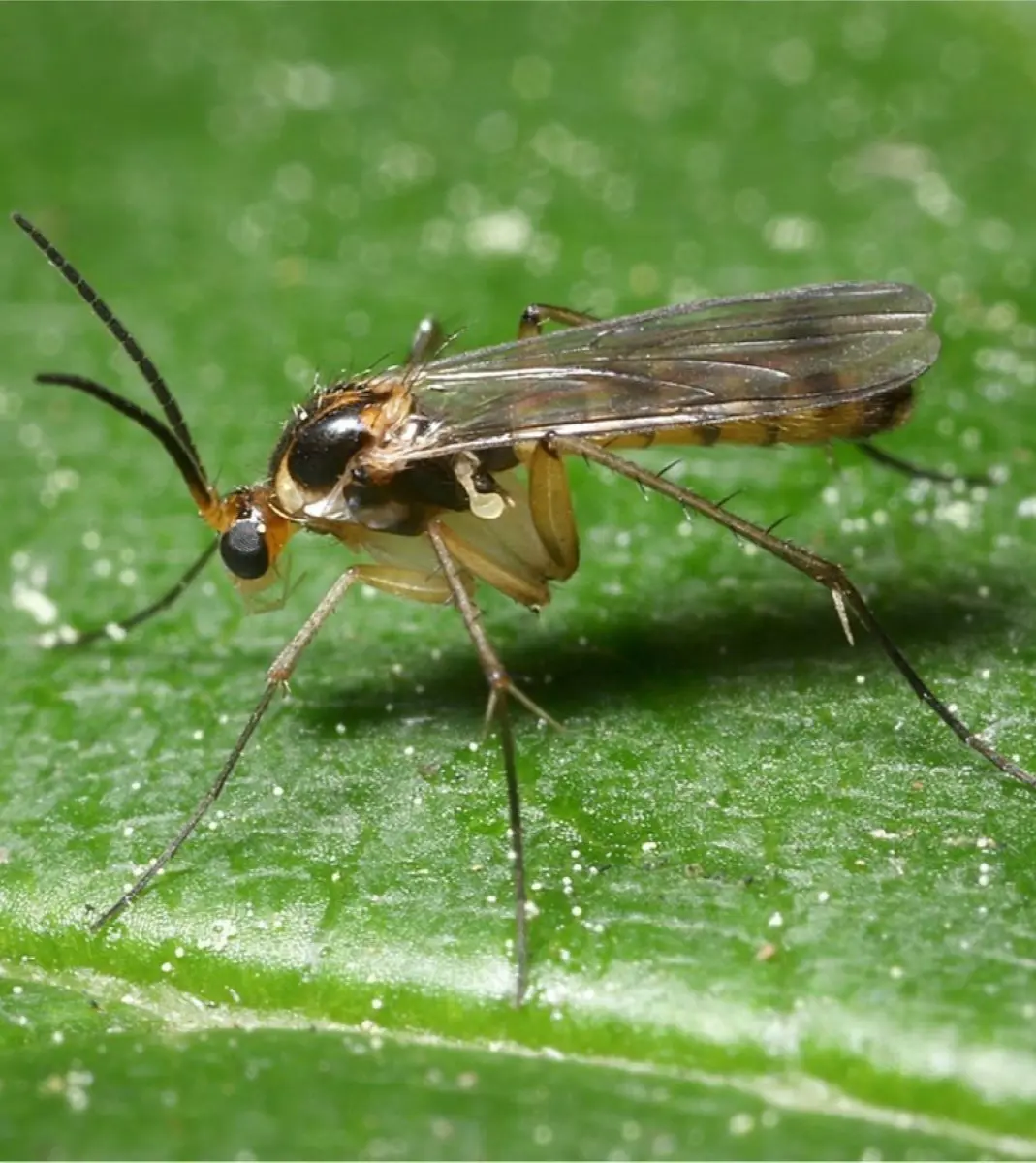
Less than a 1/4 inch, gnats are winged insects with yellow, tan, black, or brown coloring. They have long legs compared to their bodies and wide, flat wings. They do bite and can transfer certain diseases.
However, they don’t damage homes like other insects and are generally considered nothing more than nuisances. There are several types of gnats. Some are simply pests, while others pollinate plants and play a beneficial role. There are four tiny, flying species commonly referred to as gnats:
- Drain flies: Drain flies or sewer gnats in bathrooms are predominantly found in bathrooms, but can be present in any areas with clogged or leaking drains, unsanitary sewers, or septic tanks.
- Fruit flies: These gnats are found around decayed or fresh fruits and vegetables. You might have noticed them when clearing the fruit bowl of rotten fruits.
- Phorid flies: Just like drain flies, phorid flies are mostly found in kitchen garbage, in drains, and on fruits and vegetables.
- Fungus gnats: These are typically found in the decaying organic material within the moist soil of overwatered houseplants. Their larvae, which reside under the surfaces, feast on the plant roots and cause the plant’s leaves to turn yellow and ultimately die. These pests also spread a disease of seeds known as damping-off that causes plants to rot before they emerge and debilitates and kills newly sprouted seedlings.
Most gnats found in bathrooms are fungus gnats. They do not harm humans, but if you ignore their presence and leave them be, they will reproduce quickly and take over your space.
Fungus gnat in a bathroom will unlikely go away on its own, so you need to take action. Read on to find out what you can do.
1. Clean Drains
Bathroom drains can attract gnats because they love the gunk, where they can lay eggs, which build up in sink drains. Regularly cleaning these drains using any of the drain treatments mentioned below can help you win the battle against these pesky bugs.
Boiling Water
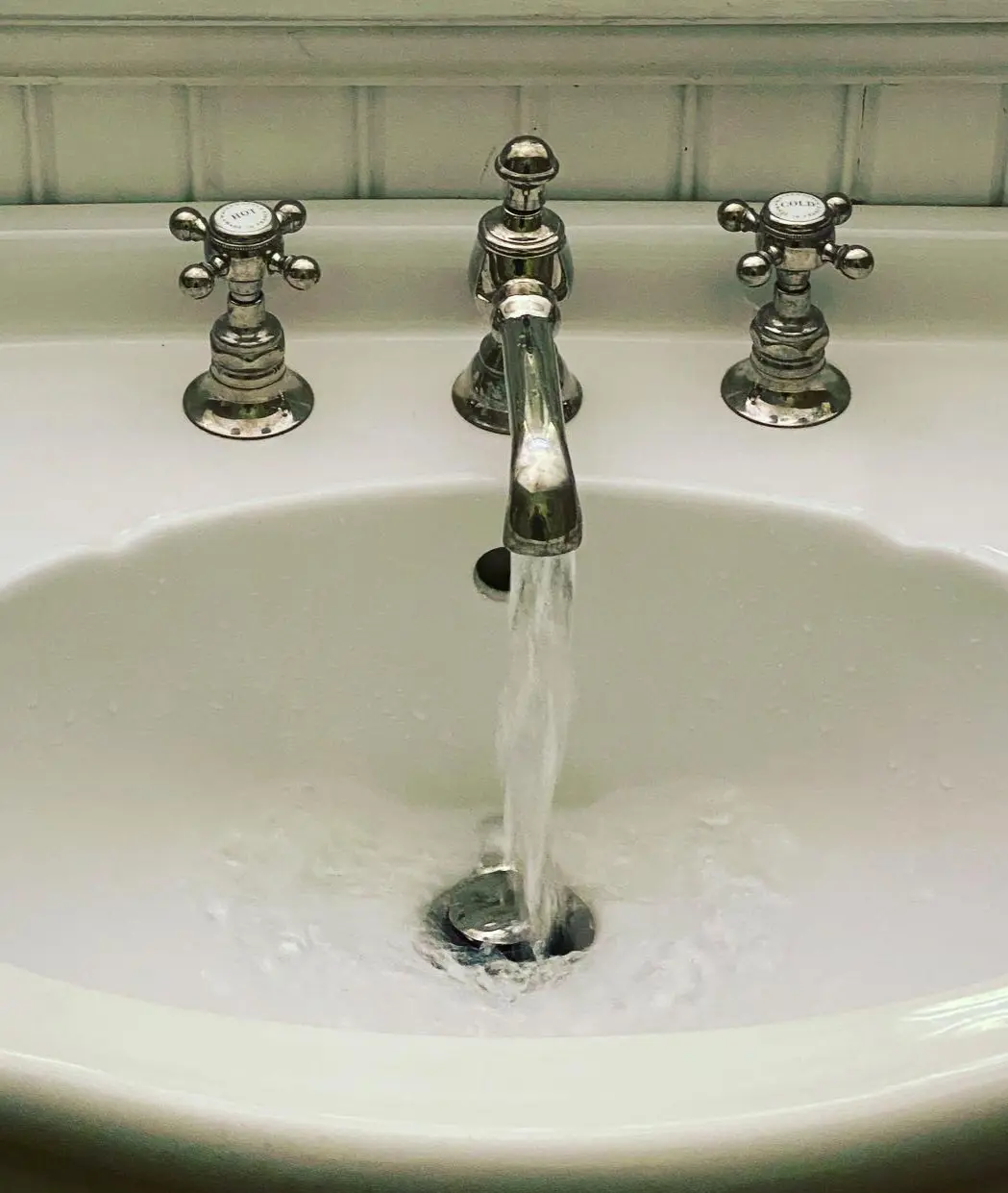
One of the easiest methods to remove the gnats and prevent an infestation is to pour boiling water down the drain. Pour slowly and multiple times to kill as many gnats and their eggs as possible.
The water will also melt away some of the gunk lodged in the pipes, which may be attracting the gnats in the first place. This method works well for minor gnat infestation. However, avoid this method and use another if your pipes are PVC, as these materials cannot handle boiled water.
Commercial Drain Cleaners
If you are using a chemical durian cleaner, do not grab anything off the shelf randomly. Use expert-recommended drain cleaners if you want your money’s worth. These special cleaners dissolve pet hair, organic compounds, grease, and other particles effortlessly since they spread evenly and adhere well.
Most of these cleaners are safe for use on various piping systems, including toilets, sinks, tubs, showers, and septic tanks. It is crucial to exercise extreme caution and follow all directions and safety recommendations on the label to a tee. Also, never mix it with other cleaners. Otherwise, it will cause an explosion.
Baking Soda and Vinegar
Sometimes, cleaning with baking soda and vinegar might bring better results than commercial drain cleaners. Pour baking soda into the drain first to let it stick to the grime inside.
Then, pour vinegar and cover the drain to allow the chemical reaction to take place inside the drain pipes. Doing this will break apart the stubbornly lodged grot. For best results, you can leave the mixture overnight. The next morning, pour boiling water down the drain to wash away everything.
Bleach
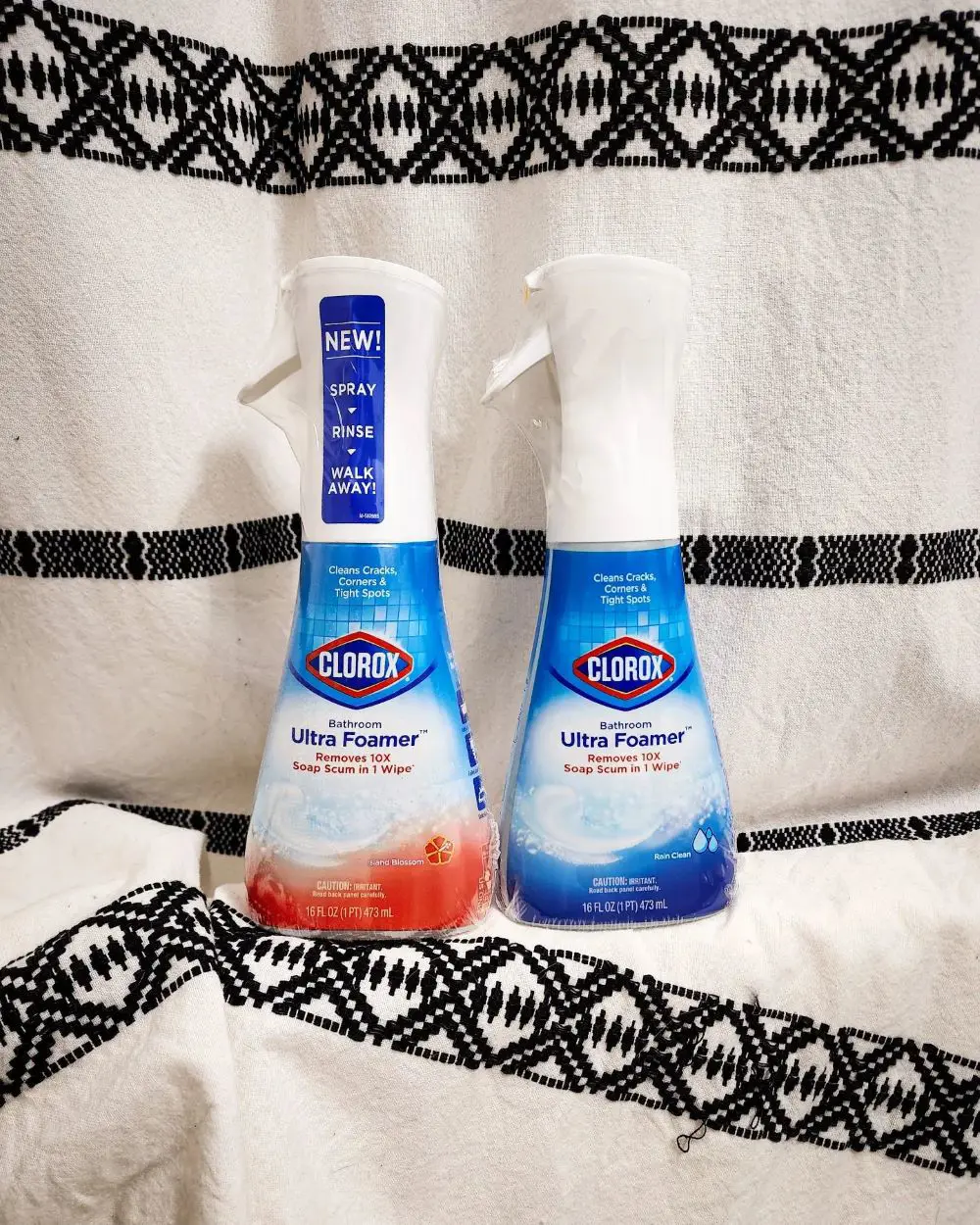
When natural methods are ineffective, reach for the bleach. This powerful chemical cleaner can tackle gnats in the drain caused by smelly and clogged drains. However, use it seldomly as frequent use can corrode the pipes and damage other components.
To use bleach to clean your drain, pour a small amount and let it sit for 10 minutes. Then, flush everything with normal, not hot water. Note: Do not mix bleach with other chemical cleaners, and avoid using it if you have a septic system.
2. Repair Leaky Pipes
Fungus gnats thrive in damp environments, which exist when there are leaks. They can occur behind walls, under sinks, or underground and often go unnoticed. These wet areas are a perfect breeding ground for them to multiply secretly. Even a tiny drip can sustain a population of these bugs.
So, with a bit of vigilance, you can determine if there is a leak and its source. This will help address leaks promptly, preventing further moisture buildup and eliminating the ideal habitat for gnats. Plus, fixing leaks can reduce your water bills.
3. Stop Watering House Plants
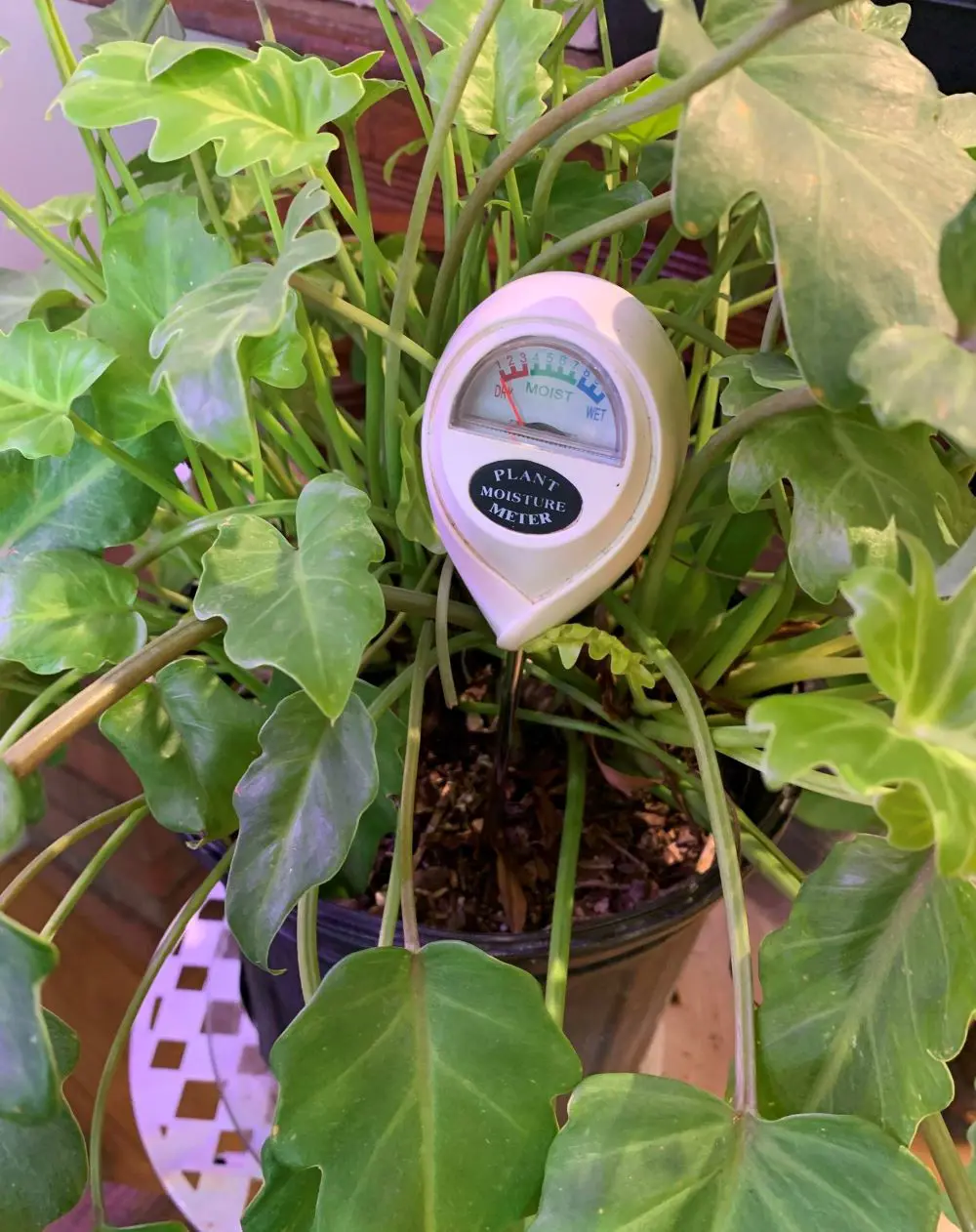
Gnats thrive on the fungus of your plants caused by overwatering. So, skip watering those plants to allow the top layer of the soil to be dry between waterings. Once the soil dries out, you'll notice the fungus dying, as well as the gnat larvae and eggs.
Should the gnats persist, soak the plant soil with an indoor insecticide safe for the plant and specifically designed to kill gnats and their young. Also, if you are unsure how much and how often should you water your plants, a moisture meter helps. When you use it often, a watering rhythm will be established, and over-watering will be avoided.
4. Hydrogen Peroxide
Understanding how to get rid of gnats in the bathroom goes beyond spraying insecticide. The most difficult part, usually overlooked, includes tackling the larvae and the pupae hiding in the overwatered plant soil. To exterminate these larvae, use hydrogen peroxide on the plants. It increases the acidity in the soil, thereby damaging any chances of survival for the larvae and pupae.
Mix one part of the viscous liquid with four parts of water and soak the soil with it. This formula kills the insects living inside the soil and keeps any more from ever coming back. The only disadvantage with this measure, however, is that some of the helpful microorganisms in the soil might also be destroyed.
5. Stagnant Water
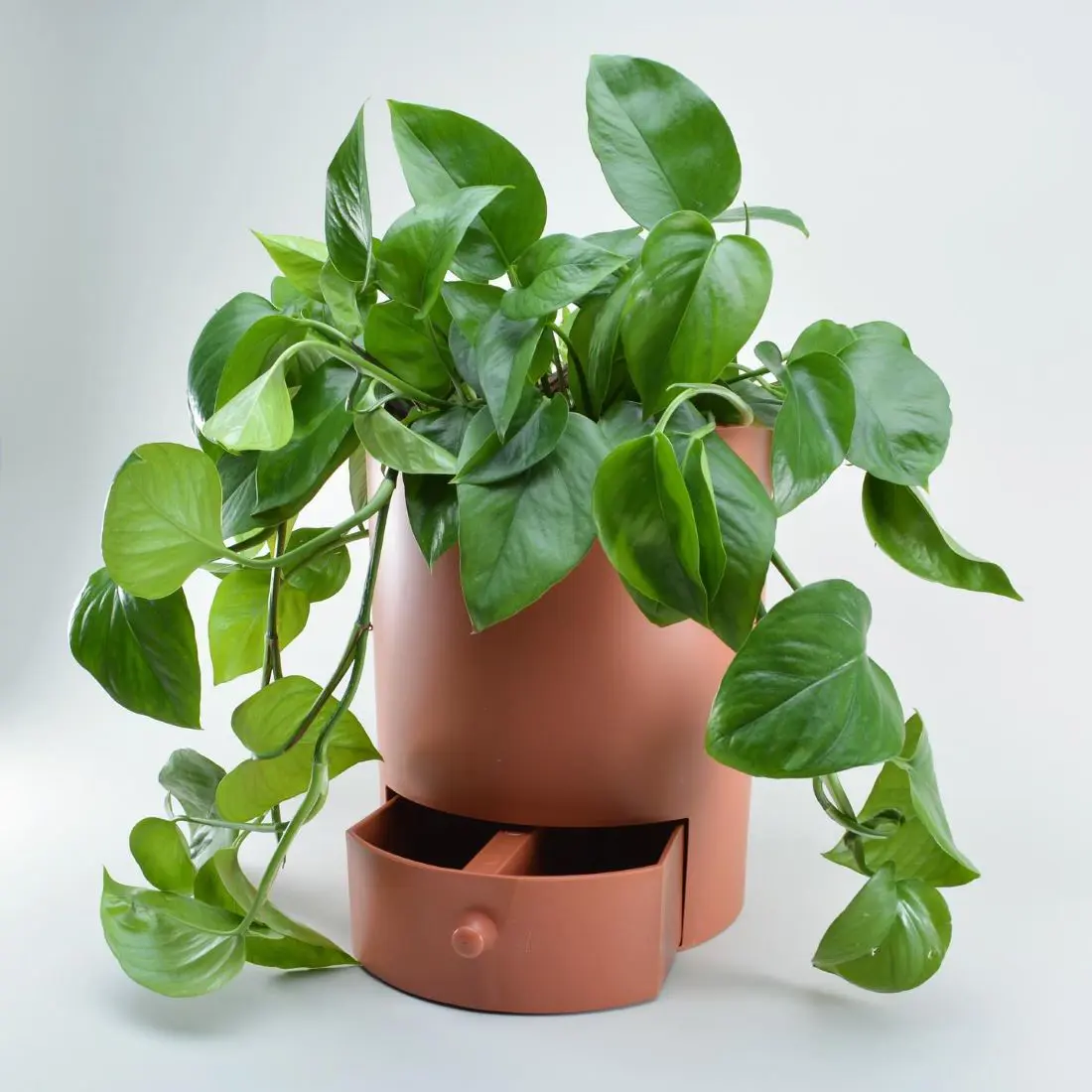
Eradicating the areas where gnats can reproduce is the most effective way of ensuring they do not settle in one’s house for good. Standing water from leaks, accrued debris in clogged pipes and toilets, pot plates, splashes on vanity tops in bathrooms, etc, are common causes of such conditions.
Therefore, keep your bathroom as dry as possible. Cleaning the countertops after face washing and teeth brushing, unclogging drain pipes with plungers and other means, emptying water collected on flower pot trays below the flower pots, and squeegee drying the bathroom post-shower and cleaning will help.
6. Vinegar Trap
Another way of dealing with fungus gnats in the bathroom is setting up traps to catch them. One easy homemade trap is using vinegar. Gnats like the smell of vinegar, which means the insects will definitely be drawn to the trap.
- All that is needed for this trap is some distilled or apple cider vinegar, one bowl, liquid dishwashing soap, and a plastic cover.
- Take a bowl, pour two cups of vinegar, and add a few drops of liquid washing soap. The soap acts like quicksand, immobilizing the pests and drowning them.
- Cover the bowl with the plastic wrapper tightly and poke holes using a toothpick or a pen. The size of the holes should permit entry to the gnats but prevent their exit.
- Set the bowl close to the area where you see the greatest number of gnats. The insects will come through the holes drawn by the vinegar only to find they are stuck inside and unable to come out.
You can replace the vinegar with red wine or beer to make a similar trap.
7. Sticky Traps
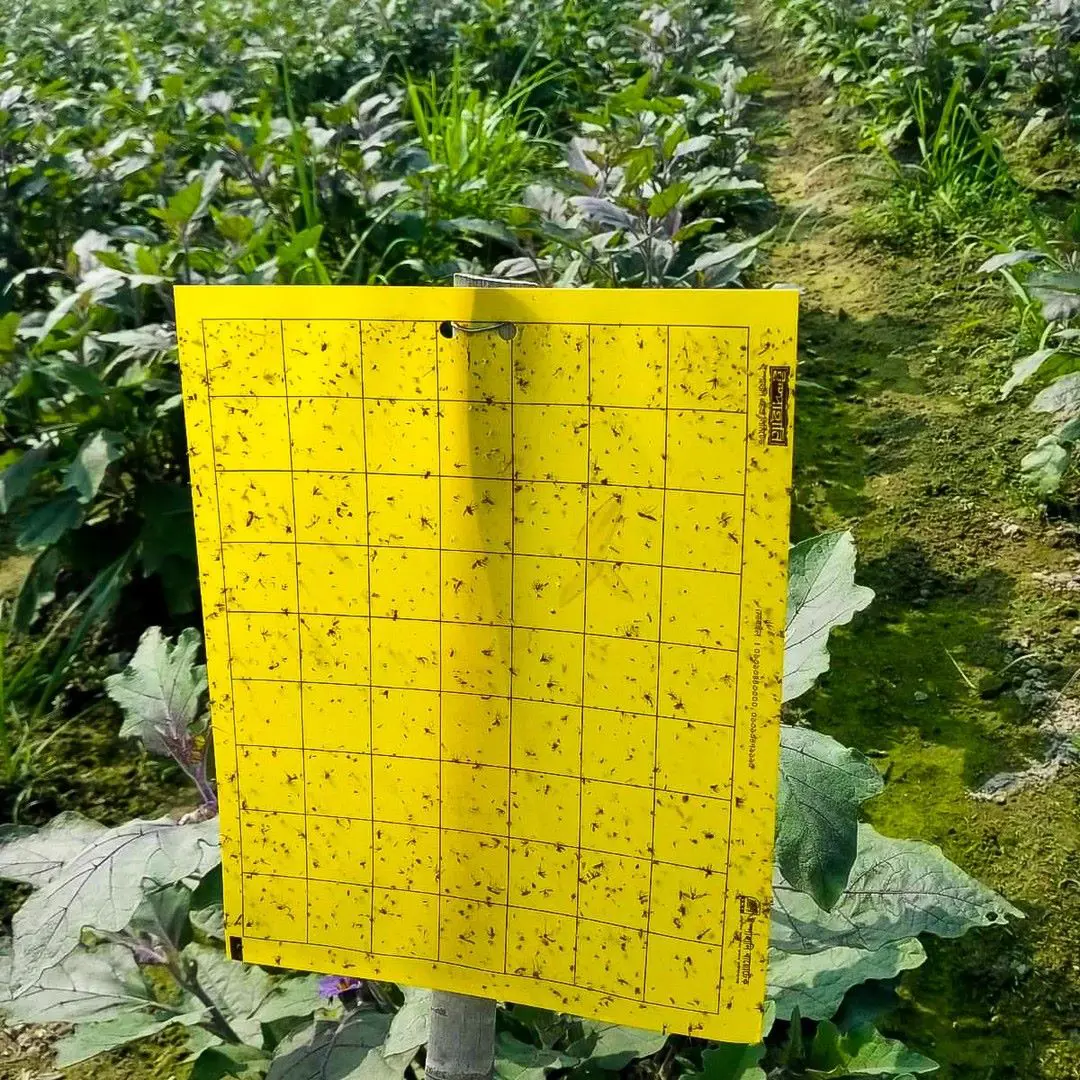
Sticky traps are another great way to catch gnats. They attract and trap gnats, preventing them from buzzing around, bothering you, and making more baby gnats inside your house. Most gardening or home improvement stores carry these traps. They are usually colored bright yellow and covered with some sort of sticky substance that gnats get stuck on.
Just put these traps near gnat-infested areas, like house plants or bathroom drains. Gnats, while flying around the trap, get stuck to it and cannot fly away from there. Make sure to change the traps when they are full of gnats or no longer sticky.
8. Chemical Treatments
Natural means and traps may not get rid of the gnats completely, in which case you need to resort to chemical treatments like insecticides. Insecticides can work wonders on areas infested with fungus gnats, provided they are designed for such pests specifically. They should also be safe for indoor use.
The insecticide should be applied where gnats are most active, such as garbage disposals, fruit bowls, or plant soil. You may have to apply the insecticide more than once to eliminate them.
Keep in mind that such chemical treatment should be done as a last resort and with great care. Avoid applying it around food or areas where food is consumed, and follow the label for safe and effective application. Safety, whenever there are kids or pets around, should always be your first concern.
9. Reduce Organic Waste in Drains
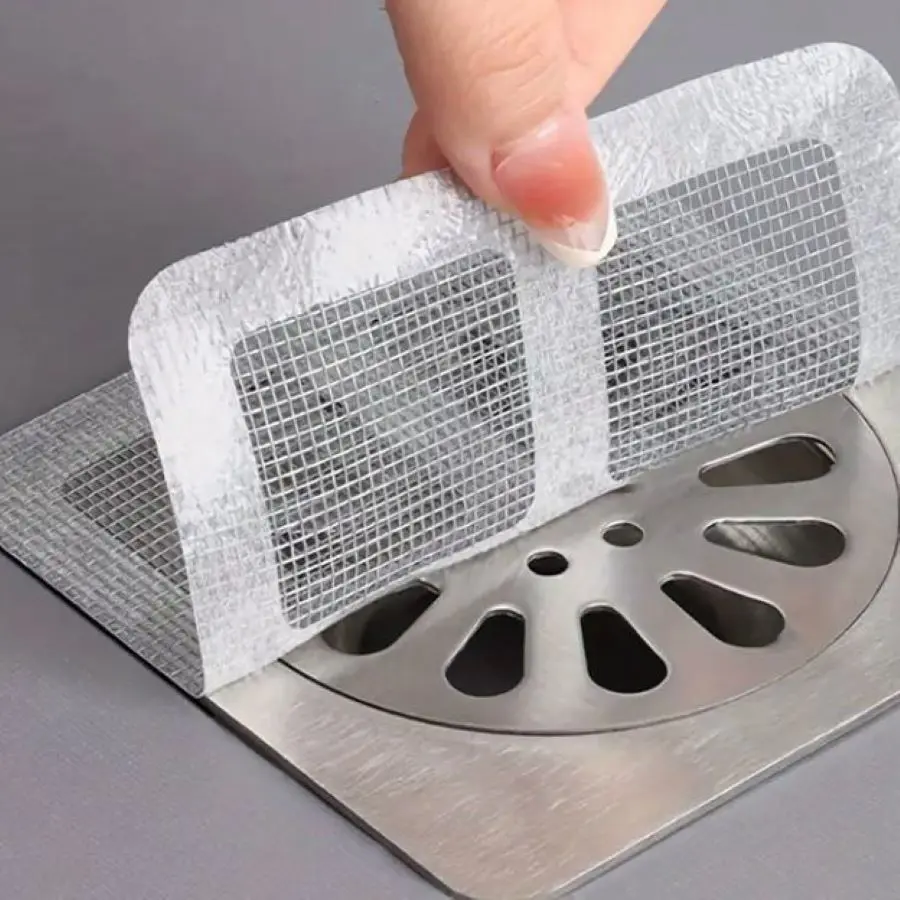
Soap scum, hair, and other organic waste that are left on the drain after showering should be removed. These substances decay and attract fungus gnats in the bathroom when exposed to light, temperature, and humidity. These pests feed on the bacteria and lay eggs in them, so their larvae are surrounded with sustenance once they hatch.
Therefore, when these drains are in use, catch the debris with a strainer before they reach the pipes and cover them when not in use anymore. If you ignore this and let the bacteria grow, the gnat population will flourish since a female fungus gnat can lay up to 300 eggs in 20/30 clusters in one go.
10. Seal Entry Points
You have probably noticed pests of all kids buzzing and hovering around your window and door screen. This is because they are trying to enter your home, and they have a special advantage. Their size! They don’t need a large opening. A tiny crack is all they need to fly right in.
This suggests that even though you may have put screens on your doors and windows, they serve no purpose if they are torn. Therefore, examine all the screens and replace them if necessary if you are earnest about keeping them away. Also, check for cracks in the walls and seal them.
11. Ensure Good Ventilation

Airflow and ventilation problems increase moisture in the bathroom, which in turn encourages gnats’ reproduction. In addition to reproduction, these problems cause humid air, mildew, wrinkled wall coverings, unpleasant odor, watermarks on the ceiling, and many others. To prevent all that, fit and utilize exhaust fans in the toilets to aid ventilation and lower the humidity.
Using the fan frequently exposes it to dust and dirt. You should clean it every few months to make sure it works properly. And, if possible, open the windows and keep the bathroom door ajar so that moist air can be vented out whenever you shower.
12. Regular Trash Management
A dirty bin, especially with food scraps, is equivalent to an open invitation for gnats. Bins with all kinds of waste produce an odor that gnats can detect from miles away if the trash can is sealed tightly. They will find ways to get into the bin where they will feed and lay eggs. Some steps to prevent this are to use trash cans with a tightly fitted lid and dispose of the trash once it is full.
Also, clean the dustbin monthly or if there is any unpleasant smell. The steps are really easy. Just rinse the dustbin with water to remove excess waste, spray a cleaning solution, and leave it as it is to dissolve all persistent stains. Then, scrub off all the dirt and rinse it before leaving it to dry.
13. Deep Clean Bathroom
Speaking of cleaning, you should also clean your bathroom regularly. Dirt, grime, and odor build up and attract fungus gnats when you fail to do so. To deep clean your restroom, apply a cleaning agent to the toilet bowl, shower, and bathtub before doing anything else since you need to let the cleaner loosen the dirt and stubborn residue.
While that is happening, scrub the countertops, sinks, mirrors, screens, fixtures, and floors with cleaning liquid. Then, scour the toilet bowl, shower, and bathtub. After that, rinse everything. Lastly, disinfect the cupboards, toilet lids, and door handles. Don’t forget to clean the shower curtains, empty the trash can, and de-scale the shower heads.
14. Hire Exterminators
If the gnats seem to be going nowhere even after employing all these steps, know you have done all you could. It might be the time to hire a professional. These professionals will help you tackle infestations that are difficult to eradicate with homemade remedies. They will evaluate the extent of the problem and use methods targeted specifically for the pest in your home.
These techniques are less likely to endanger your family, pets, or properties than certain DIY measures. They will also recommend steps to prevent the gnats from returning. You may have to pay between $100 to $450 to treat the infestation. The cost might include treatments without any charges if the infestation reoccurs within a certain period.


What Do Praying Mantis Eat And Drink?
What Do Crickets Eat In Nature and Wild?
What Do Snails Eat In Your Home And Garden
Potato Blight: Causes, And How To Get Rid Of

Why Is My Hydrangea Not Blooming? 7 Reasons and Fixes To Know
Fertilizer Burn: What Does It Look Like And How To Fix?