How To Get Rid Of Lanternfly In Your Yard

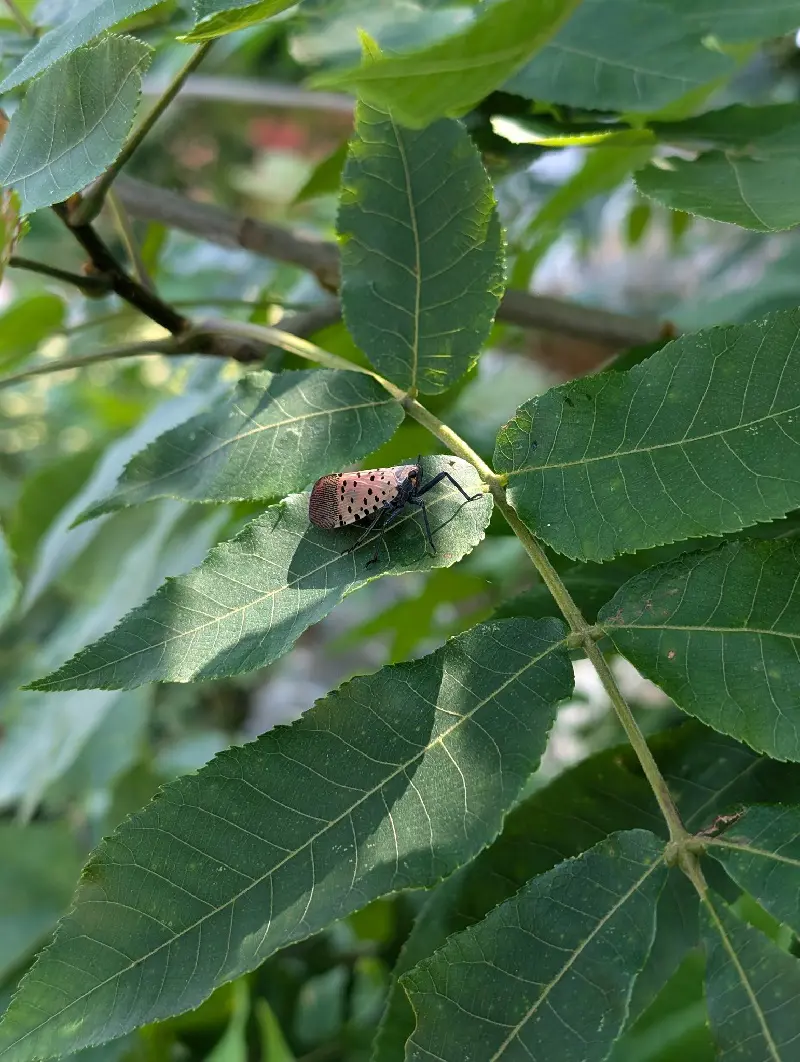
From May through November, lanternflies infest a wide range of host plants, with their food preferences changing as they mature. Nymphs feed on various plants, while adults target a select few species.
To get rid of them, you have to implement control measures like removing the tree of heaven (a favored host), using insecticides, and more. Here we have discussed ideas to remove these pests:
1. Vacuum Up
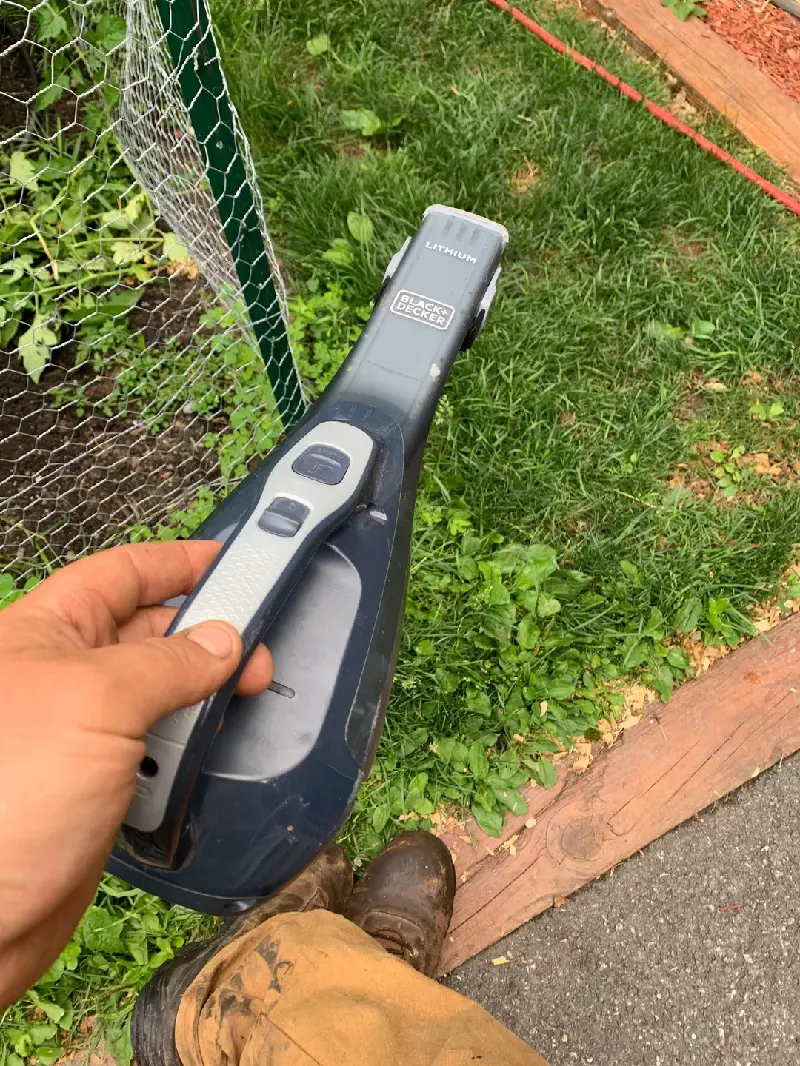
Filling the vacuum using a shop vacuum or portable vacuum can also be a good solution, but you'll need to take extra precautions to make sure the bugs are dead and to thoroughly clean the vacuum afterward.
This technique is especially helpful for controlling infestations in certain sections of your property or on a smaller scale. Make use of a portable vacuum or shop vacuum with a powerful suction. Stay away from using your standard household vacuum since lanternflies might leave behind residue that could harm it.
2. Squash or Stomp
Squash or stomp that are affected are starting "stomp it out" programs, in which bugs are fund crushed or stepped on. However, if you find spotted lanternflies on your trees, it may be more difficult.
The population of adult and their numbers is immediately reduced by squashing them. Every bug eliminated reduces the number of plants and trees it may affect. By doing these things, you may lessen the number of lanternflies and lessen their negative environmental effects.
3. Use Insecticides or Spray
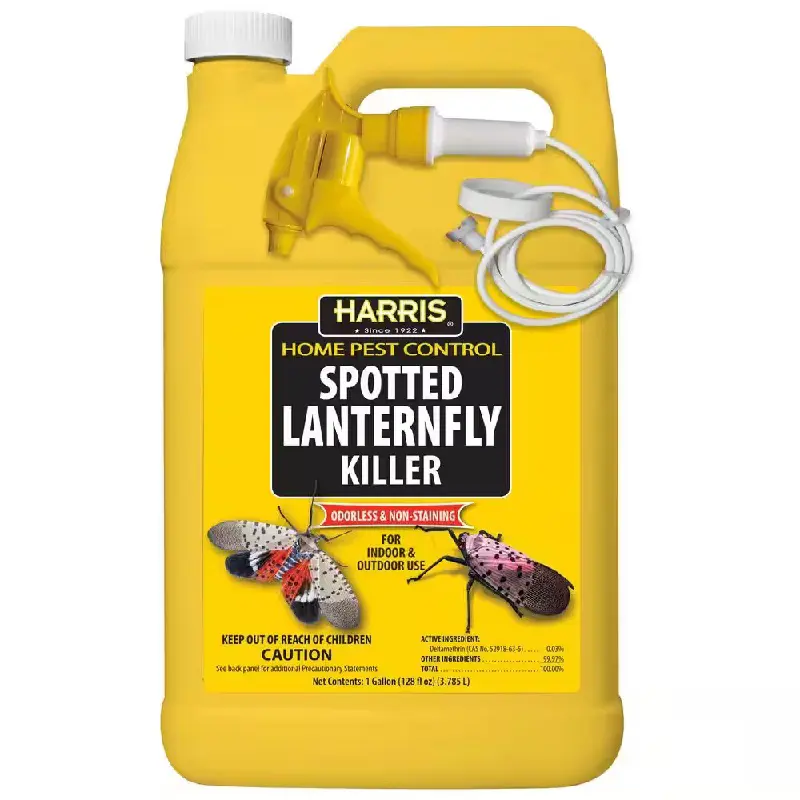
Spotted lanternflies can be eliminated by using EPA-approved pesticides containing active components such as imidacloprid, bifenthrin, dinotefuran, neem oil, and soybean oil. Spotted lanternflies can be effectively killed with these chemicals. Before spraying pesticides.
Products using dinotefuran, imidacloprid, or other systematic insecticides as active components work well. Before spraying pesticides, especially if you have children or pets, consider trying a home cure since some of them can be toxic to both people and animals.
4. Set Straps
Though you'll need to use caution when using them, the sticky of afflicted trees can aid in their capture. Tree traps are a useful technique for managing the population of spotted lanternflies, especially those with adhesive bands or straps.
These traps are designed to catch the insect at different phases of its life cycle, but they particularly catch it while it's a nymph and moving up and down tree trunks. This is a throughout instruction on controlling lanternfly infestations with tree traps.
5. Remove Host Plants
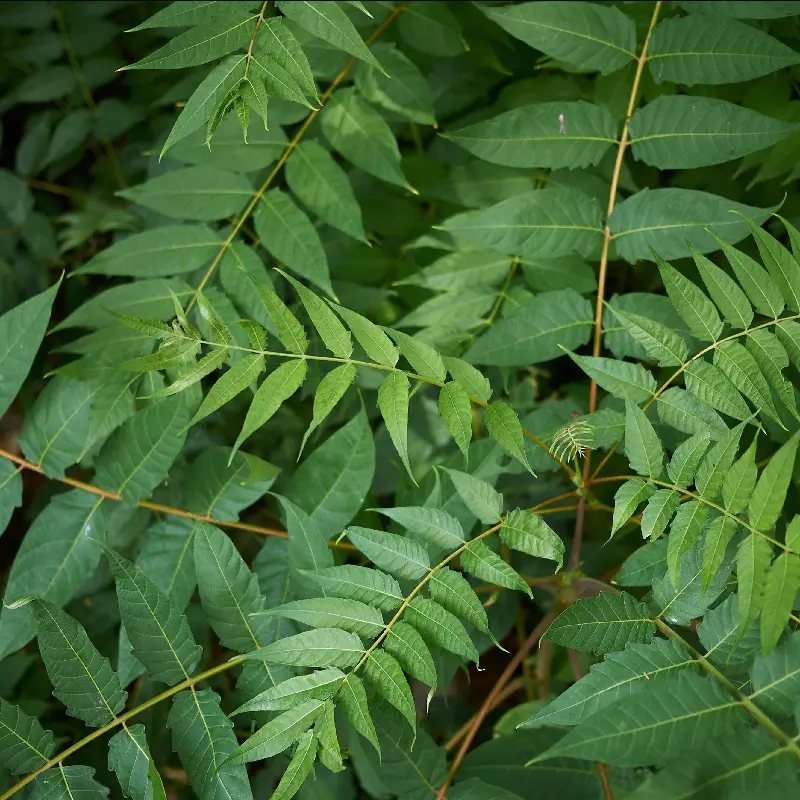
Spotted lanternflies cling to certain plants, such as willow trees and the tree of heaven. Eliminate the plants that the lanternflies are attracted to to aid in their removal. Eliminating the plants they enjoy is a good start, but you may also need to employ some of the other mitigating techniques mentioned.
Managing these host plants is often necessary to control lanternfly populations, especially those that are extremely appealing or badly infected. Reducing the number of lanternflies and their negative effects on the ecosystem can be achieved by eliminating or treating these plants.
6. Plant Milkweed
Milkweed is a favorite food of spotted lanternflies, who are unaware that it is deadly and may kill them if consumed in excess. Additionally, the sap slows them down before they pass away since it is poisonous to them, making it easier to capture and kill them.
It is not a direct form of pest management to plant milkweed expressly to keep spotted lanternflies under control. On the other hand, milkweed can promote a more balanced ecology, which might help indirectly control insect numbers.
7. Use Vinegar

Whether spotted lanternflies are adults or nymphs, vinegar kills them instantly. You may use apple cider vinegar for this; you can spray them with the dilute beforehand. But keep in mind that vinegar can destroy some plants, so avoid spraying it on those that could be at risk.
Although it's not stand stand-alone remedy, using vinegar can be a component of a pest management approach for spotted lanternflies. There are several ways to utilize vinegar, especially white vinegar, to help control lanternfly populations.
8. Spray Soap, Water And Vegetable Oil
Lanternfly control may be achieved with an eco-friendly and successful spray combination of soap, water, and vegetable oil. In a spray bottle, mix one tablespoon of vegetable oil, one to two teaspoons of mild liquid soap (such as dish soap or Castile soap), and four cups of water to make this combination.
To make sure the components are fully combined, give the bottle a good shake. To make sure the spray doesn't harm any plants, try it on a little, discrete section of the plant before using it on a larger area.
9. Add Neem Oil
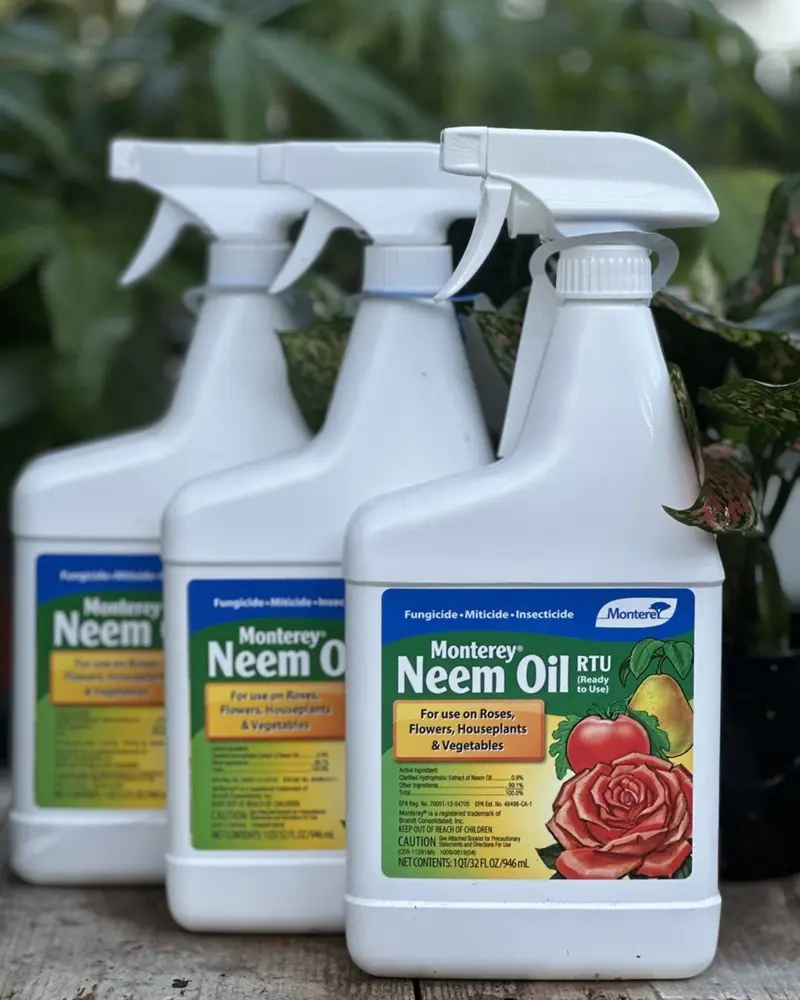
Since neem oil inhibits the growth and reproduction of lanternflies, it is a practical and eco-friendly way to control them. One four cups of water, one to two teaspoons of neem oil, one to two tablespoons of mild liquid soap, and optionally one tablespoon of vegetable oil should all be combined in a spray bottle to make neem oil spray.
After testing, directly spray the liquid onto the lanternflies, being sure to cover all areas, including the undersides of leaves and any potential hiding places.
10. Sprinkle Diatomaceous Earth
The powder known as diatomaceous earth, or DE, is created from the fossilized remains of tiny marine animals. Because the powder is abrasive to the exoskeleton of the lanternfly and will cause it to dry up and die, it is frequently employed in pest management.
DE and dusting canisters are available online, at most gardening retailers, and at your neighborhood home improvement store. Instead of dousing your entire garden with it, mix one gallon of water with four tablespoons of diatomaceous earth and mist the lanternflies with it.
11. Garlic Spray
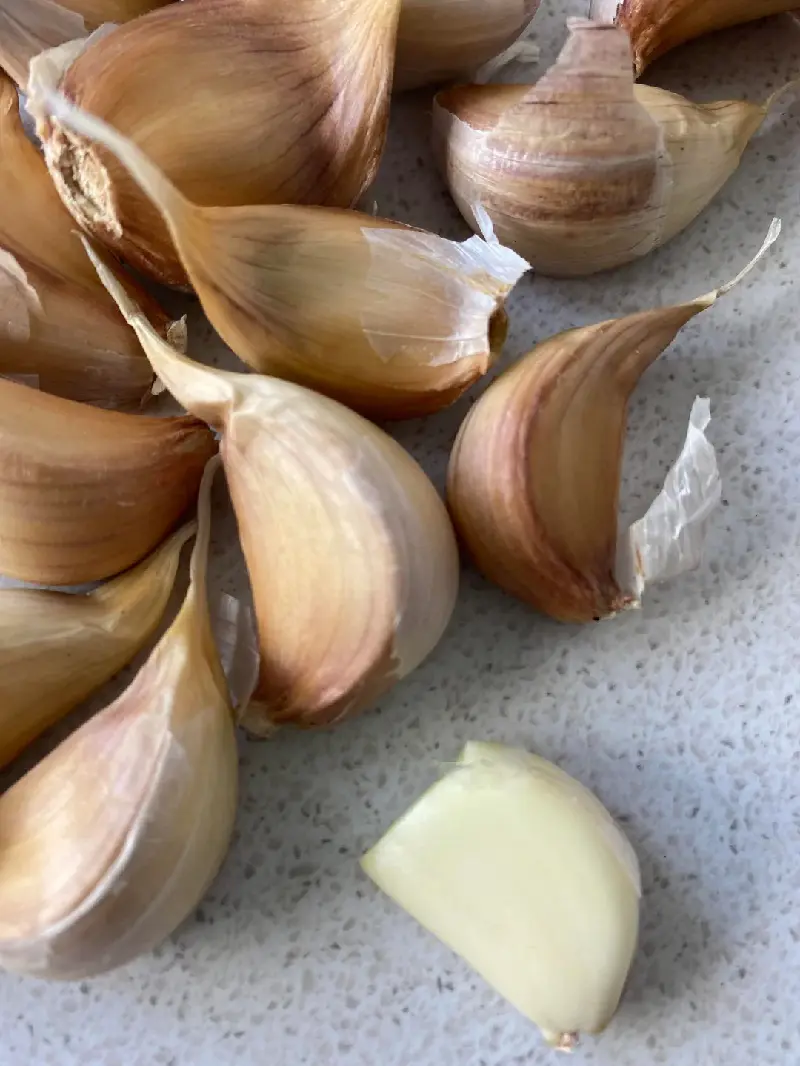
Lanternflies may be naturally repelled using garlic spray. Combine minced garlic, water, and a few drops of dish soap to make a DIY spray. To stop lanternflies from feeding on plants, mist them with this combination.
The potent aroma and flavor of garlic repels insects, causing them to avoid treated areas. You have to apply it regularly for mass removal.
12. Encouraging Natural Predators
Insects and several spider species, along with birds like gray catbirds, naturally feed on lanternflies. You can facilitate the management of lanternfly populations by establishing an environment that draws these predators.
Planting native plants, providing water sources, providing water sources, and condoning the use of broad-spectrum pesticides that might endanger beneficial species are some ways to do this.
13. Systematic Insecticides

When lanternflies eat, systematic pesticides that are absorbed by plants destroy them. Because these pesticides stay active inside the plant for longer periods, they offer long-term protection. They are especially helpful for expensive ornamental plants and trees that are too valuable to remove physically or in other ways.
14. Capture in a Bottle
The population of lanternflies may be managed simply and effectively by trapping them in a container. Use a plastic bottle with a wide opening, such as a soda or water bottle, to facilitate a simple catch in this task. Make sure the bottle is dry and clean.
To avoid frightening the lanternflies, approach them slowly; the best times to do this are in the early morning or late evening when they are not as busy. To get the lanternflies to leap or fall into the bottle, place it beneath them and lightly touch the surface they are on. Once it's been caught, firmly close the bottle.
15. Sticky Bands
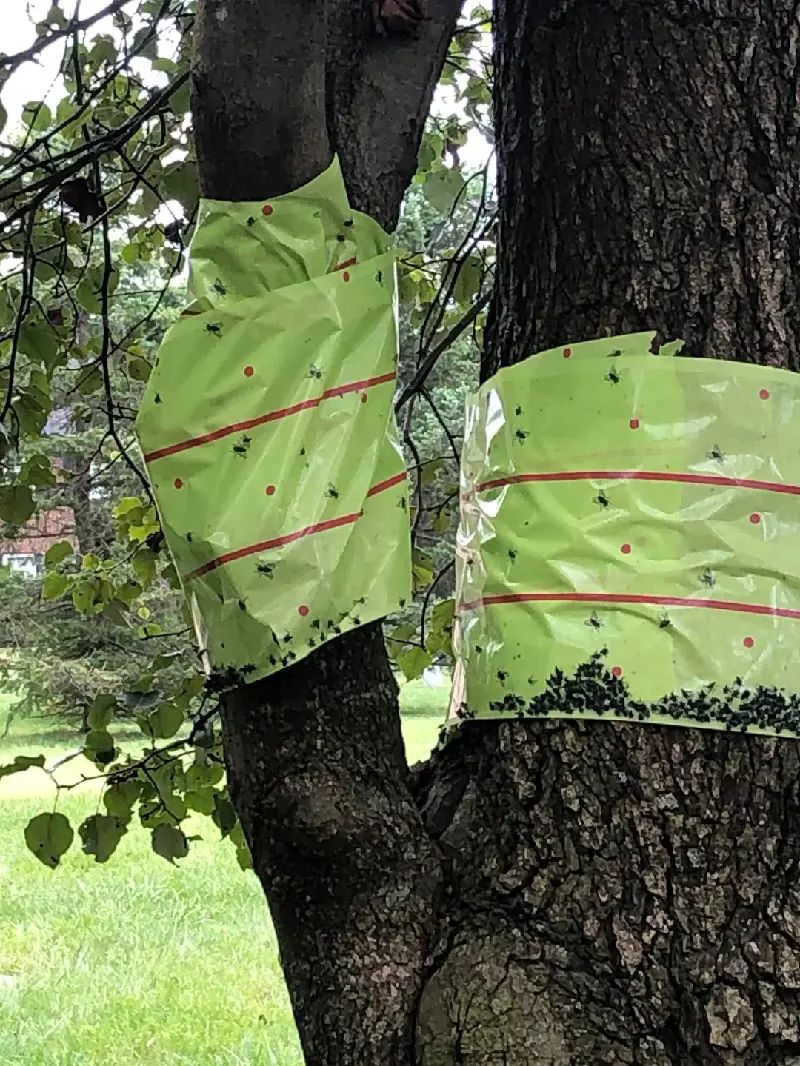
If you know that certain trees are gathering places for lanternflies, wrap stocky bands around their trunks. When the nymphs and adults try to climb, these bands catch them. It's crucial to often inspect and replace these bands.
Cover the adhesive bands with wire mesh or other obstacles that allow lanternflies to be captured while keeping other animals safe to safeguard non-target species.
16. Professional Pest Control
Professional pest control services offer specific knowledge and more efficient remedies for heavy infestations of lanternflies. To ascertain the degree of the infestation and create a focused treatment strategy, these professionals offer a comprehensive evaluation.
More effective than over-the-counter remedies, professional pest treatment uses cutting-edge methods and materials, such as specialty pesticides and integrated pest management plans, to control lanternflies. They are skilled in applying these therapies in a way that minimizes dangers to humans, animals, and helpful insects while maximizing efficacy.
17. Bug Zappers
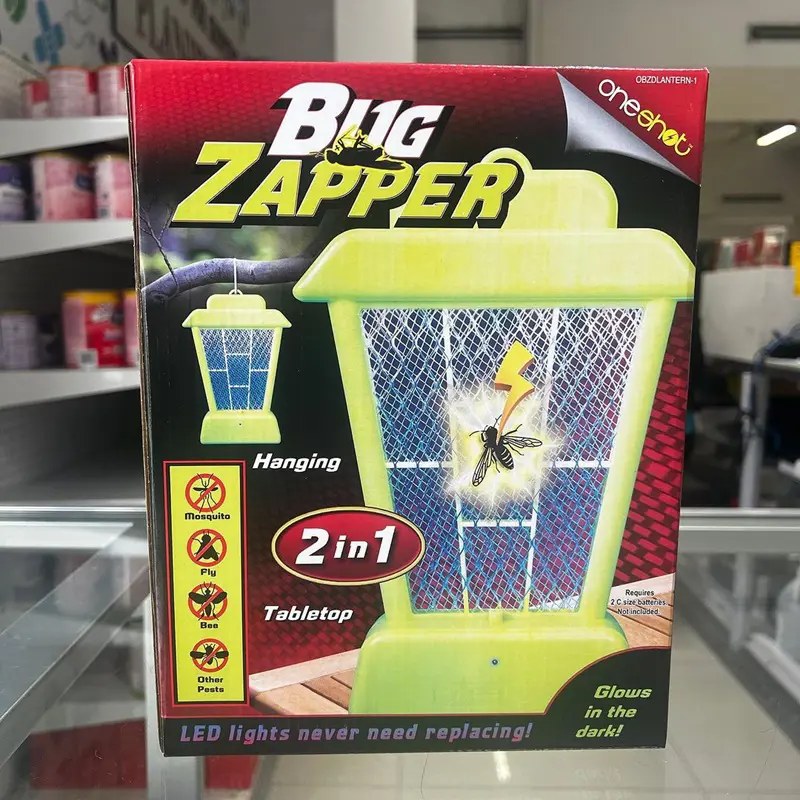
At night, placing insect zappers in your yard will draw adult lanternflies and destroy them. These gadgets kill insects with an electric grid after luring them in with light. To guarantee the zapper's efficacy, regular upkeep and cleaning are required.
18. Manual Remover
Manual removal is the simplest way to keep lanternflies under control. This is stomping, smashing, or squashing the insects anytime you happen to see them. The optimum time to physically remove lanternflies is during summer when they are at their most active as adults. Even though it looks simple, this works well to control populations very far away, especially in minor infestations.
19. Plastic Bottle Trap
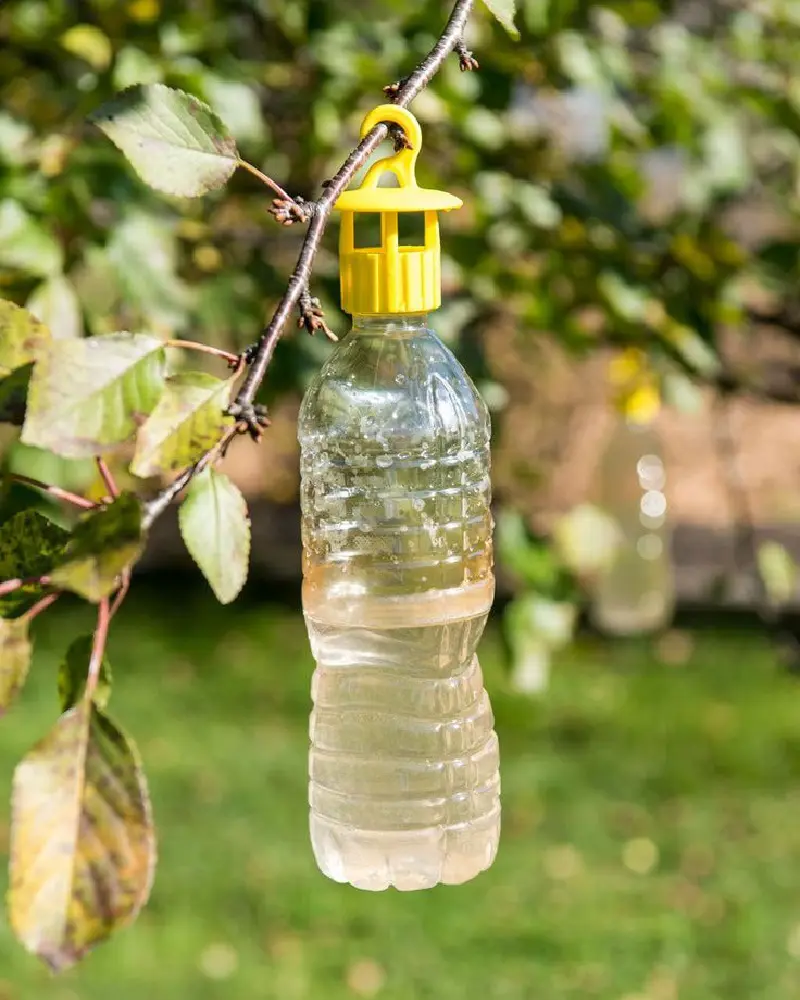
The use of a plastic bottle trap is an easy-to-use but efficient way to catch lanternflies. To make one, use a clean, dry plastic container with a wide opening, such as a soda or water bottle. To get a better look inside the bottle, remove the label.
Place the bottle beneath the lanternflies, which are frequently seen on trees or plants. To get them to drop into the bottle, lightly tap the area where they are resting. Once the lanternflies are inside, tightly close the container to keep them out.
20. Pyrethrin-based Sprays
Because pyrethrin has strong insecticidal qualities, lanternfly control can be achieved with sprays based on this compound. Pyrethrins, which are extracted from chrysanthemum flowers, cause fast control by upsetting insects' neurological systems.
To use these sprays, first choose a product that is specially branded for lanternflies and then mix and apply it according to the manufacturer's recommendations. Aim for complete coverage when applying the spray directly on lanternflies and their favorite hiding places, which include the undersides of leaves and tree trunks.
Damages Done By Lanternfly
Numerous plants and trees are susceptible to serious harm by the spotted lanternfly. The following are some of the principal harms they cause:
1. Plant Damage
Lanternflies feed on the sap of plants using their piercing-sucking mouthparts, which can weaken and damage the plant. Heavy feeding can lead to a significant loss of sap, stressing the plant and making it more susceptible to disease and other pests.
2. Sooty Mold
A sweet material known as honeydew is expelled by feeding lanternflies. Also, a sooty mold is a black fungal growth that can cover leaves, stems, and often surfaces. Honeydew encourages the formation of this mold.
3. Reduced Yield and Quality
Fruit-bearing plants such as apples, grapes, and stone fruits may experience a decrease in fruit quality and quantity due to infestations by lanternflies. This results in large financial losses for the agricultural sector.
4. Impact On Forestry and Landscaping
Infestations have the potential to affect ecosystem balance and biodiversity while endangering the sustainability and health of forests. Damage can also befall ornamental trees and shrubs in suburban and urban settings, diminishing their aesthetic and practical worth.
What Are Lanternflies?
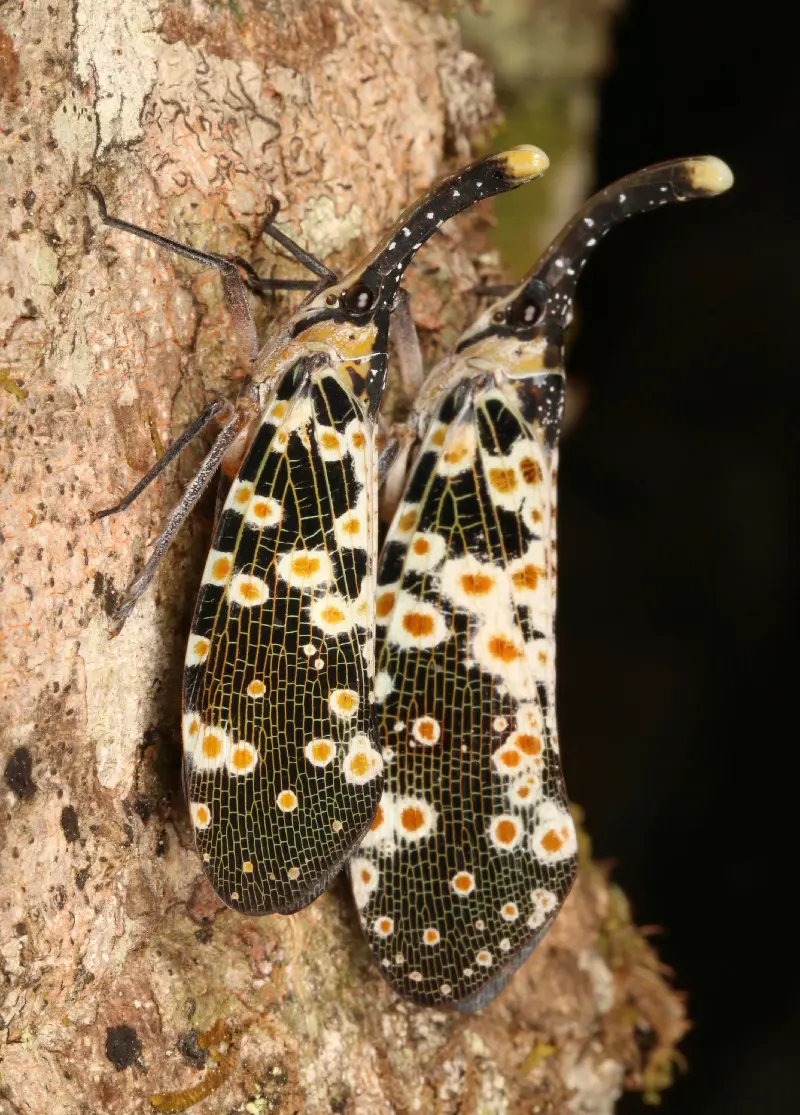
Lanternflies are invasive insects originally native to China, India, and Vietnam. These pests have become a significant concern in several countries, particularly in the United States, where they were first detected in Pennsylvania in 2014
Lanternflies are striking in appearance, with a distinctive grayish body, black spots, and vibrant red hind wings. They pose a serious threat to agriculture and natural ecosystems due to their feeding habits, which involve piercing plant stems and trunks to consume sap.
Prevention
1. Stop the spread
Halt the spread. Before moving anything outside, make sure it is free of egg masses if you reside in or have visited areas of the United States where they have been reported. Vehicles, firewood, patio furniture, picnic tables, boats, and kid's toys fall under this category.
2. Remove the eggs
Keep an eye out for egg masses from late September to May. With a knife or a thin plastic card, the egg masses may be scraped off surfaces. Before being disposed of, the egg masses should be killed by sealing them in a plastic bag or submerging them straight into alcohol or hand sanitizer.
3. Control the nymphs
To catch the nymphs as they ascend the trunk to feed, high-risk host trees can be banded from late April to early November using a product such as Tree Tanglefoot Insect Barrier. Through July, the tree bands should be systematically taken off and put back on every one to two weeks.


What Do Praying Mantis Eat And Drink?
What Do Crickets Eat In Nature and Wild?
What Do Snails Eat In Your Home And Garden
Potato Blight: Causes, And How To Get Rid Of

Why Is My Hydrangea Not Blooming? 7 Reasons and Fixes To Know
Fertilizer Burn: What Does It Look Like And How To Fix?