What Do Flea Bites Look Like And What To Do For It

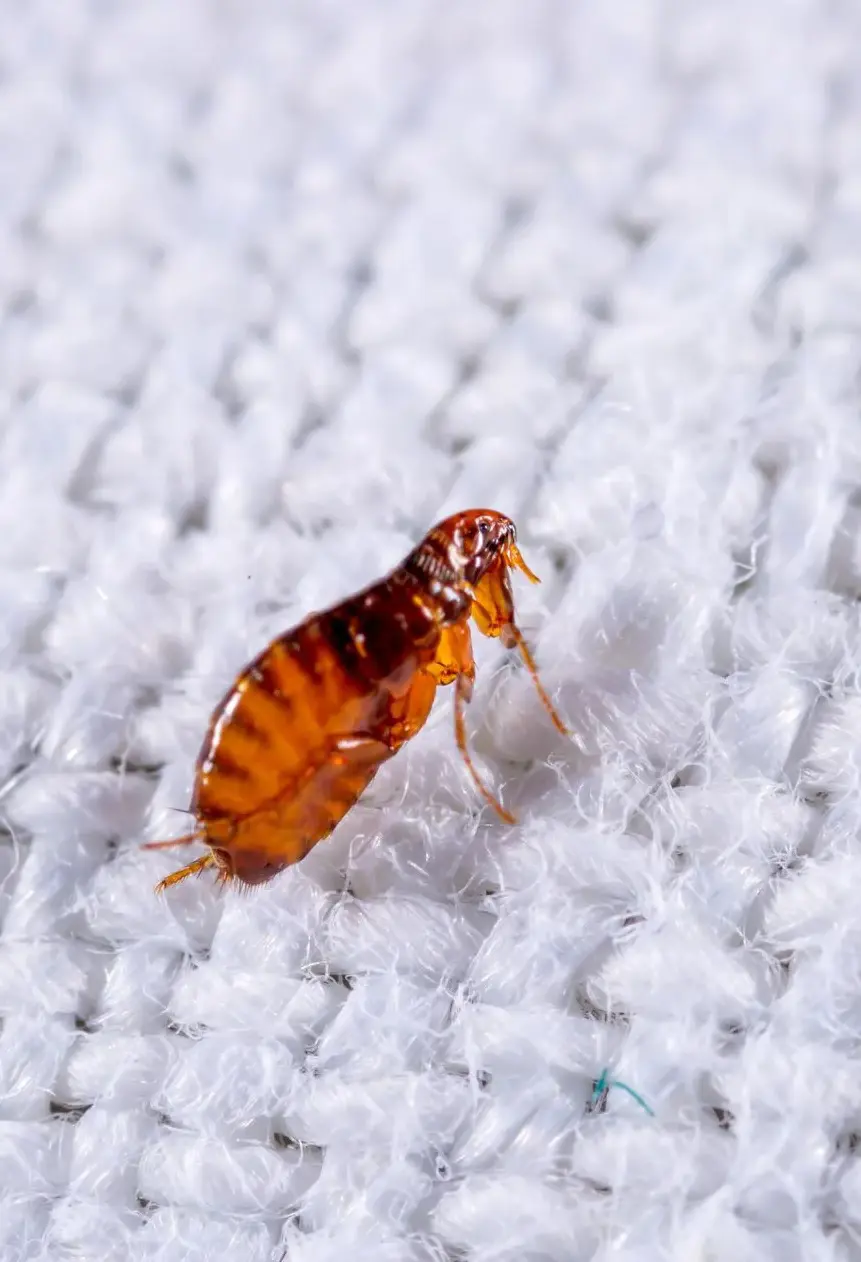
Fleas are small and pesky parasites that are found in your garden, lawn, woodlands, and even inside your house. They suck blood from their host bodies and can irritate and cause discomfort to both humans and pets alike. In some cases, they might causes some serious allergic reactions.
This article will discuss what fleas bite look like and give you some popular home remedies that are useful if you are bitten by such parasites.
1. Appearance
The size of a flea bite is minute which ranges from 1 to 2 mm in diameter. The bite mark has a little bump on the skin with a red circle around that bump. The bumps are irregular in shape and the size varies from one species of flea to another. This also depends on the individual body's reaction to the flea bite.
One characteristic that sets the flea bite apart from other parasites is the grouping of the bite marks. These bite marks are often formed in a cluster as the fleas will jump into another site on your skin after feeding at one site. This results in the formation of several bite marks near each other.
2. Location
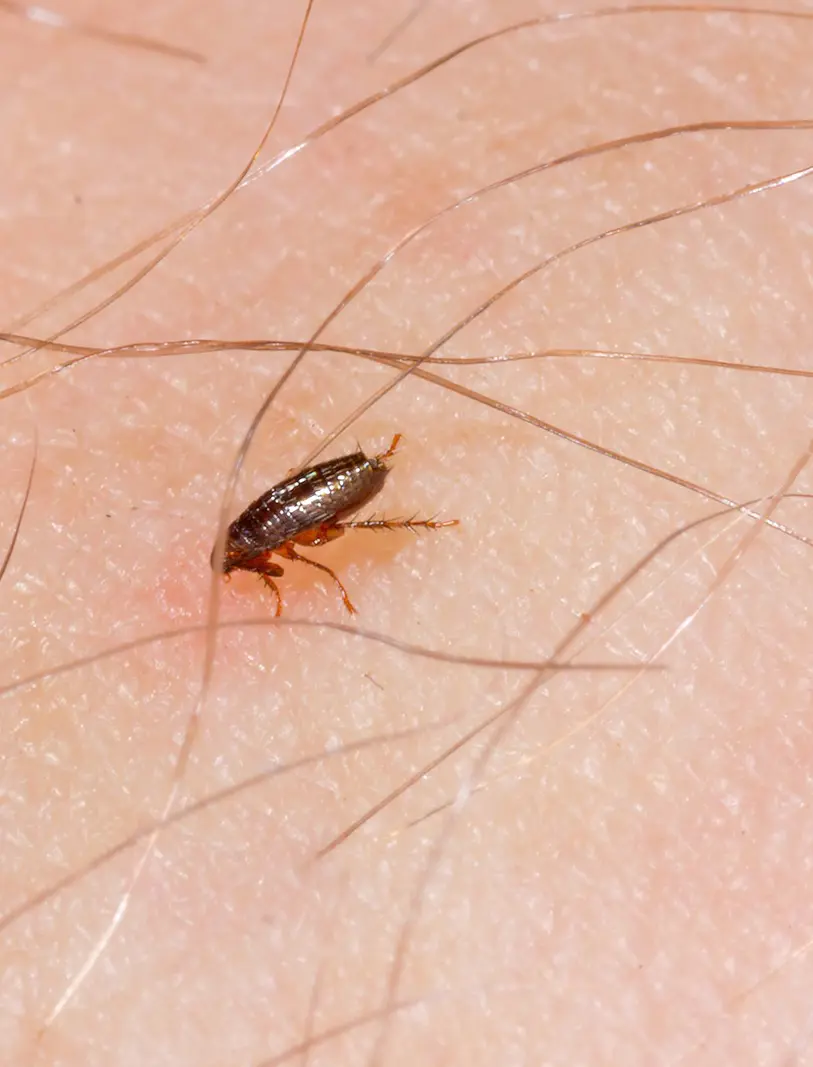
Fleas can bite on any part of your body they are exposed to. However, the most common areas where fleas might bite are your lower legs and ankles, waist and groin, etc.
As fleas are often found in the grasses, carpets, etc. they can easily jump and reach to your lower legs and ankles when you are standing or walking. Similarly, if you sit in an area infested with fleas, they will get to your waist, thigh, and groin. This is especially the case when your clothing exposes your waistline.
3. Itching And Pain
When a flea bites you, it injects its saliva into your body. This saliva acts as an allergen once it gets into your body. The immune system of your body tries to get rid of this with the help of certain chemicals like Histamines. Because of the reaction of your body to such an allergen, you feel itching and pain.
If you have very sensitive skin, you will feel extremely itchy and more severe pain than the average person and develop an allergic reaction.
4. Swelling
Just like itching, swelling occurs when your body reacts with the foreign particles secreted by fleas.
When the histamines, white blood cells, and other substances are secreted by your body to fight foreign substances, they accumulate under the bite mark. In a short period, your skin might get inflamed or swollen which increases the size and area of your skin at the bite mark.
5. Blistering
Blisters can form along with the swelling. When your body reacts with the saliva of fleas, this will cause inflammation of your skin. This inflamed skin will cause the formation of blisters, where all the substances secreted by your body in response to the flea bites accumulate.
Sometimes, severe scratching will infect or damage your skin and consequently form blisters under it.
6. Allergic Reaction
In most people, the biting of fleas is not severe which only causes irritation and discomfort and the wound heals in a few days even without any medications. However, some people might experience mild allergic reactions.
However, people with oversensitive skin who are allergic to different parasites like fleas can develop some serious symptoms that require medical attention. These people might experience symptoms like increased heart rate, swelling of mouth and throat, difficulty in breathing, hives, etc. when bitten by fleas.
In rare cases, some might experience anaphylaxis, which is a serious and life-threatening allergic reaction.
What To Do If You Are Bitten By Fleas?
If bitten by fleas, you first need to try home remedies to reduce the itching, irritation, and pain. This section will explain some of these remedies that are known to reduce the impact of flea bites. Most importantly, these materials are often available in our house and are cost-effective and efficient.
Clean The Area
If you suspect that you have been bitten by fleas, you should clean the affected areas immediately. This is the easiest and most effective measure to reduce the impact of flea bites.
You can use soap and lukewarm water to wash the affected part of your skin. Produce as much lather as you can and cover the whole area with flea bites. This will prevent the risk of infections and also remove dirt, bacteria, and other foreign bodies from the bite marks.
Apply Cold Compress
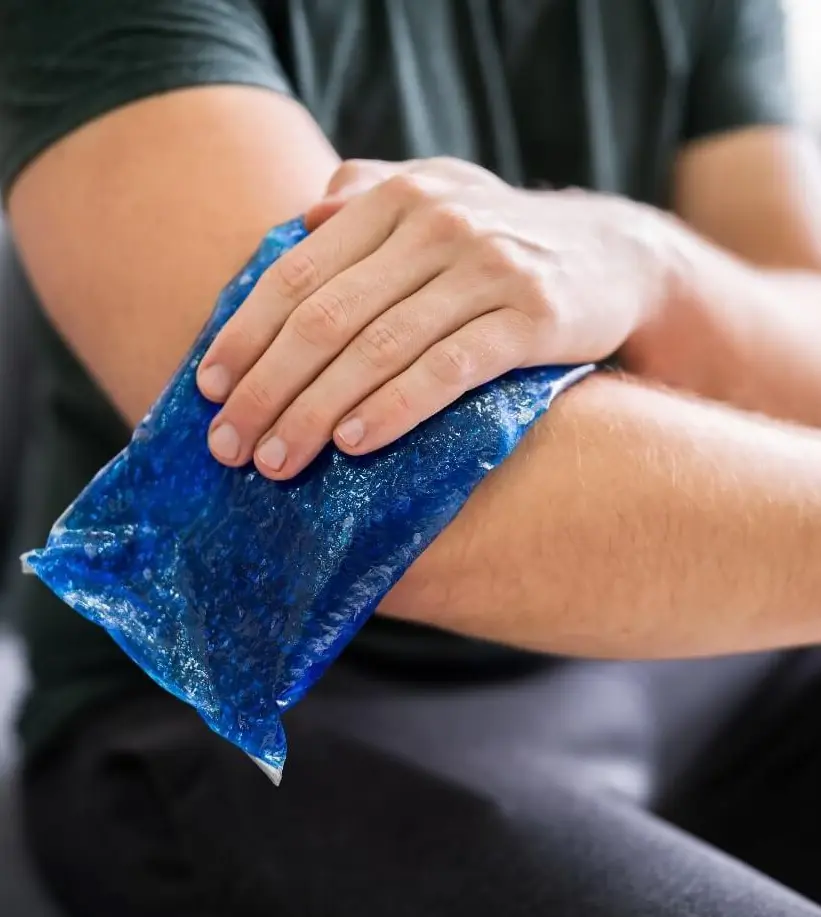
You can apply a cold compress after cleaning the affected part of your skin. The lower temperature during cold compress will help to reduce the inflammation of the skin consequently lowering the swelling and itching.
You can cover the ice or a cold pack with a towel or a thin cloth and put it over the affected part. Hold this for around 15 minutes and repeat the process a few times a day if the swelling and itchiness have not been lowered. Make sure not to use a cold compress for too long at a single time.
Aloe Vera
Aloe vera gel can treat the bites of various parasites, including fleas. This is common in most households and can be grown easily. Aloe vera has anti-inflammatory and analgesic agents that reduce the swelling and pain in the affected regions. It can also soothe the skin and promote the healing of the wound.
Cut the fresh aloe vera leaf through the middle and scoop its gel with the help of a spoon or a knife. You can directly apply the gel over the wound or crush it to make a paste. Leave this over the affected area for about 10 or 15 minutes and then clean off with lukewarm water.
Oatmeal
Oatmeal can also be another home remedy for treating flea bites. Oatmeal contains an anti-inflammatory and soothing agent that reduces the swelling and irritation in the wound and lowers discomfort in the skin caused by flea bites.
For this, you first need to grind some oatmeal in a grinder and make fine powder out of it. Then, mix this powder with warm water to make a k thick paste. Avoid adding too much water as thinner paste will not stick on your skin properly. Place this paste over the bitten area for 15 minutes and rinse off with warm water.
Chamomile Tea
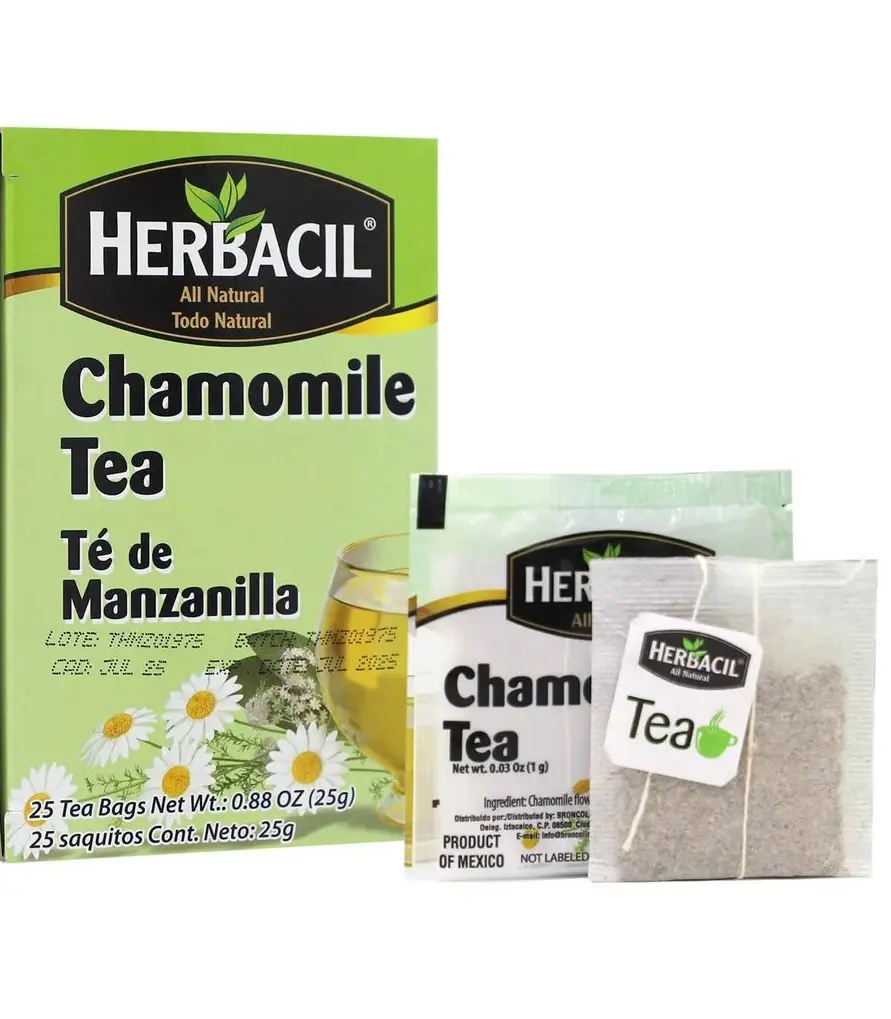
Chamomile tea contains anti-inflammatory properties that reduce the swelling of the around the bite areas. It also has an antiseptic agent that the t prevents the risk of an infection in the wound.
First, you need to add boiling water to a cup and place a tea bag into the cup for 10 to 15 minutes until the golden brown color appears. Remove the bag and let it cool for a few minutes. Then, get rid of its water content by squeezing. You can then place the bag over the affected area for 15 minutes. Repeat this several times a day.
Apple Cider Vinegar
Apple cider vinegar is another amazing home remedy for flea bites. This has antimicrobial and anti-inflammatory properties that can prevent the risk of infection and reduce the swelling in the bite area. It can also provide relief from itching and irritation.
Before using apple cider vinegar, you should dilute it by mixing it with an equal amount of water. You can then use a clean cotton ball to dip into the apple cider vinegar solution and apply directly over the bite mark. Place the cotton ball over the affected area for around 15 minutes and clean it with lukewarm water after that. Apply this a few times a day.
Honey

Honey has anti-inflammatory, antiseptic, and soothing agents that can reduce swelling, reduce the risk of infection, and provide relief from itching respectively. In addition, it can keep your skin moisturized and promote healing of the bite mark.
You should apply raw honey directly over the affected area and cover it with a cloth or a bandage for around 10 to 15 minutes. Then, leave this for a few hours and wash it with lukewarm water. Using unprocessed raw honey is much better for good results than using processed or filtered honey. You can clean this with soap and water afterward.
Baking Soda
Baking soda is another effective home remedy for treating flea bites. Baking soda has a higher pH value and is alkaline in nature. This helps to neutralize the toxins released by fleas during their biting. In addition, baking soda paste also pain, itching, swelling, and irritation.
You should take some baking soda powder and mix it with water until a thick paste is formed. Avoid adding too much water. Then apply that paste directly over the bitten area for 10 to 15 minutes. You can then clean this with lukewarm water. Try repeating this measure a couple of times each day to get relief from irritation and pain.
Peppermint
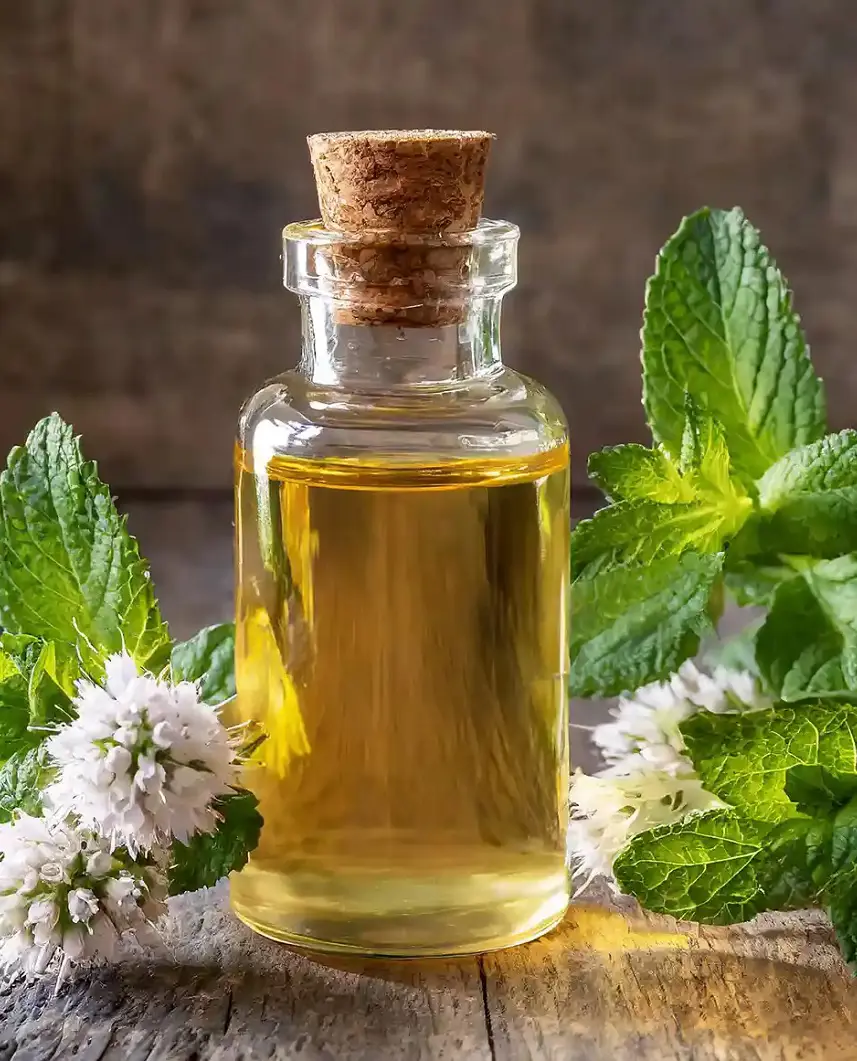
Peppermint also has anti-inflammatory and anti-microbial properties that can reduce the swelling and risk of infection in the affected areas. In addition, it is loaded with analgesic agents that can provide relief from the pain naturally. Peppermint can be used in multiple ways. It can be used in crushed form, oil, or soaking a peppermint tea bag.
You can dilute peppermint oil by mixing it with a carrier oil like coconut oil. This helps to prevent irritation on your skin. Then, use a cotton ball to dip into the solution and apply that over the bite mark for a few hours. Repeat this for a couple of times each day.
Another way of relieving flea bites is to use a peppermint tea bag. Steep one or two peppermint tea bags in boiling water for about 10 minutes until a greenish color appears. Let this cool for a few minutes. Then, use a clean cotton ball to dip into the tea and apply it over the affected area. You can also apply a cooled tea bag directly over the wound.
Lavender Oil
Lavender oil is another essential oil that can be a good natural remedy for flea bites. Lavender oil has anti-inflammatory and anti-bacterial agents that provide relief from swelling and infections respectively. It can also soothe the itching and expedite the healing process of the bite areas.
You need to dilute lavender oil with carrier oil to lower its concentration and reduce the risk of irritation on the skin. Then, use a cotton ball and dip this into the solution. Gently apply this cotton ball over the bite mark and hold it for a few minutes. You can clean your skin with lukewarm water afterward. Repeat this process a few times every day.
Tree Tea Oil
Tree tea oil is another remedy for flea bites. This essential oil has anti-inflammatory and antiseptic properties that reduce swelling, irritation, and infection on the skin. This oil can also kill and repel fleas.
You need to dilute tree tea oil with a carrier oil before using it. Then use a cotton ball to dip into the oil and apply over the bitten mark. Avoid using this in excess amounts and do not ingest it as it might cause some health implications.
You can do a patch test on a small part of your skin to check your sensitivity towards tree tea oil. If it irritates your skin, avoid using this.
Bathing With Epsom Salt

Epsom salt has magnesium sulfate which acts as an anti-inflammatory agent and reduces the swelling and itching on the affected parts of the skin. It soothes your body and provides relaxation. In addition, it can draw out fluid from the affected part aiding in your relief.
You can add about two cups of Epsom salt to the warm water in a tub. Let the Epsom salt dissolve and take a bath for 10 to 15 minutes. This will reduce the inflammation, and itching, and relax your body. Do not forget to rinse off the excess Epsom salt with warm water after taking after getting soaked in the tub and use a clean towel to dry off your skin.
Witch Hazel
Another great remedy for flea bites is witch hazel oil. This acts as an anti-inflammatory and antiseptic agent by reducing swelling and preventing the risk of infection. This can also soothe the skin and speed up the recovery of the wound.
You can use a cotton ball to soak the witch hazel solution and apply it over the bite mark. You can also pour this on your hand and gently rub it over the skin to get relief from the pain and swelling. Use this a few times every day if the swelling does not disappear. Unlike other oils, you do not have to wash witch hazel oil after applying it.
Coconut Oil
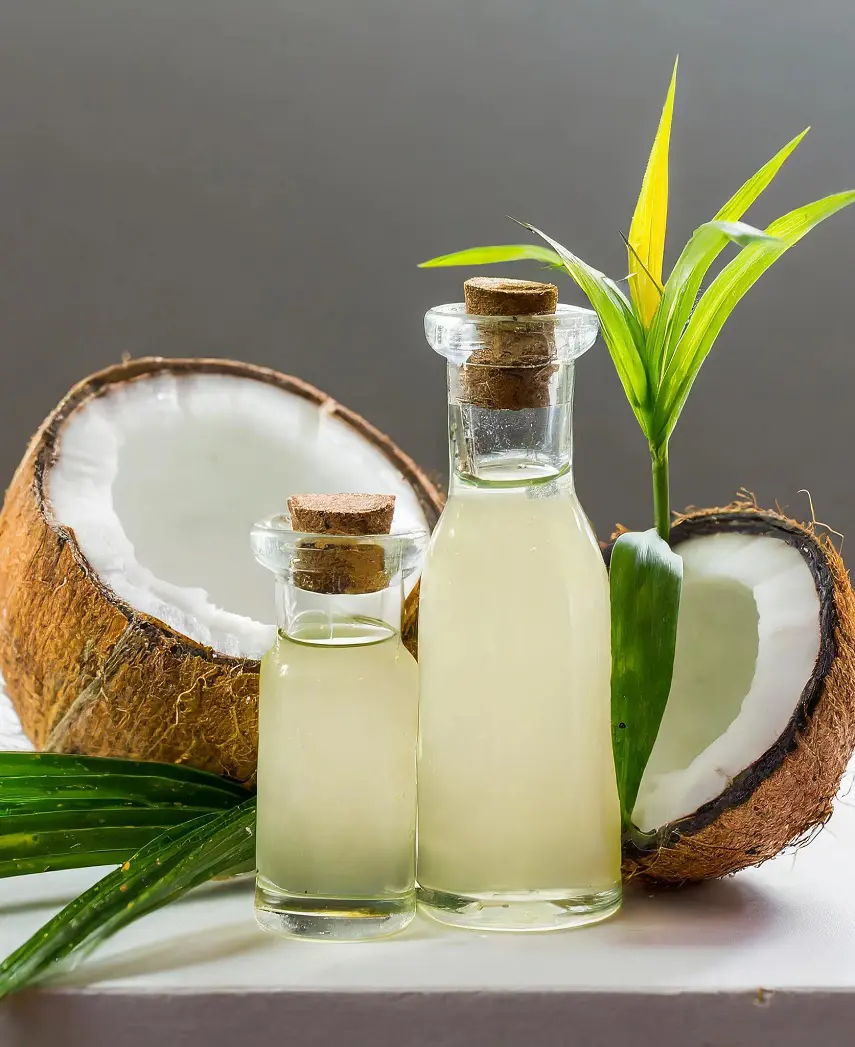
Coconut oil is another underrated natural remedy for flea bites. It also has some anti-bacterial and anti-inflammatory properties and can keep your skin moisturized for a long time. It also provides relief from discomfort and enhances the healing of your skin.
Take unrefined coconut oil on your hands and gently massage the affected area of your skin. You can also use a cotton ball if you do not want to have oily hands. Repeat this two or three times a day and leave the oil on your skin so that it can be absorbed. If the coconut oil is hardened, you can boil it or keep it in the sun for a few minutes until it melts.
Avoid Scratching
Flea bites can give you itching or irritation most of the time which might last for a couple of days. So, the wise thing to do is avoid scratching as this spreads bacteria and germs which might increase the risk of infection on the bite marks.
Scratching will increase the chance of bacteria getting into the wound, increase irritation and swelling on the skin, and lower the healing rate. So, avoiding scratching is one of the measures that can help you to get over the tick bite more quickly.
When To Seek Emergency Services
You should seek medical attention if your symptoms get severe. Some of the symptoms that require emergency medical services are:
Swelling of The Face, Lips, or Throat
If your face, lips, or throat is swollen after the flea bites, you might be suffering from anaphylaxis. Although I have covered something about this earlier, you need to keep in mind that this is a serious form of allergy and you need to visit the nearest hospital as soon as possible.
This happens when your body reacts to the toxins released by fleas by producing different chemicals. These chemicals accumulate under the skin of the eyes, throat, and lips. This might cause difficulty in breathing and talking. In such case, inform your friends and relatives and ask them to take you to the hospital.
Widespread Hives or Rash
People with sensitive skin will develop rash and hives throughout their bodies when fleas bite them. You might get discomfort and irritation from this too. However, you need to avoid scratching your skin as this can inflame your skin and spread the rashes. This also makes your skin susceptible to infections.
If the rash has covered your whole body, seek medical attention as soon as you can.
Severe Pain
Allergic reactions, inflammation of your skin, infections, etc. can cause severe pain in your body. People who have underlying health conditions will feel more pain because of flea bites.
If the swelling of your body has not been reduced and the pain continues, you need to visit the doctor immediately.
How To Differentiate Fleas From Ticks?
Fleas are small and wingless parasites that are flat and narrow, while ticks are comparatively larger with a tear-drop shape. The narrow body structure with long hind legs allows fleas to move and jump through their host body. Meanwhile, ticks have eight paired legs suitable for crawling and are slow movers.
Fleas have soft and hard reddish-brown exoskeletons with some fine hairs. This makes them harder to crush. In contrast, ticks have a leathery appearance and are not that hard to crush.
They both feed on the blood of their hosts. However, fleas need to suck the blood regularly, whereas ticks might feed on blood once in their life cycle and often drop down to digest the blood after feeding.


What Do Praying Mantis Eat And Drink?
What Do Crickets Eat In Nature and Wild?
What Do Snails Eat In Your Home And Garden
Potato Blight: Causes, And How To Get Rid Of

Why Is My Hydrangea Not Blooming? 7 Reasons and Fixes To Know
Fertilizer Burn: What Does It Look Like And How To Fix?