How To Remove Mold In Houseplant Soil

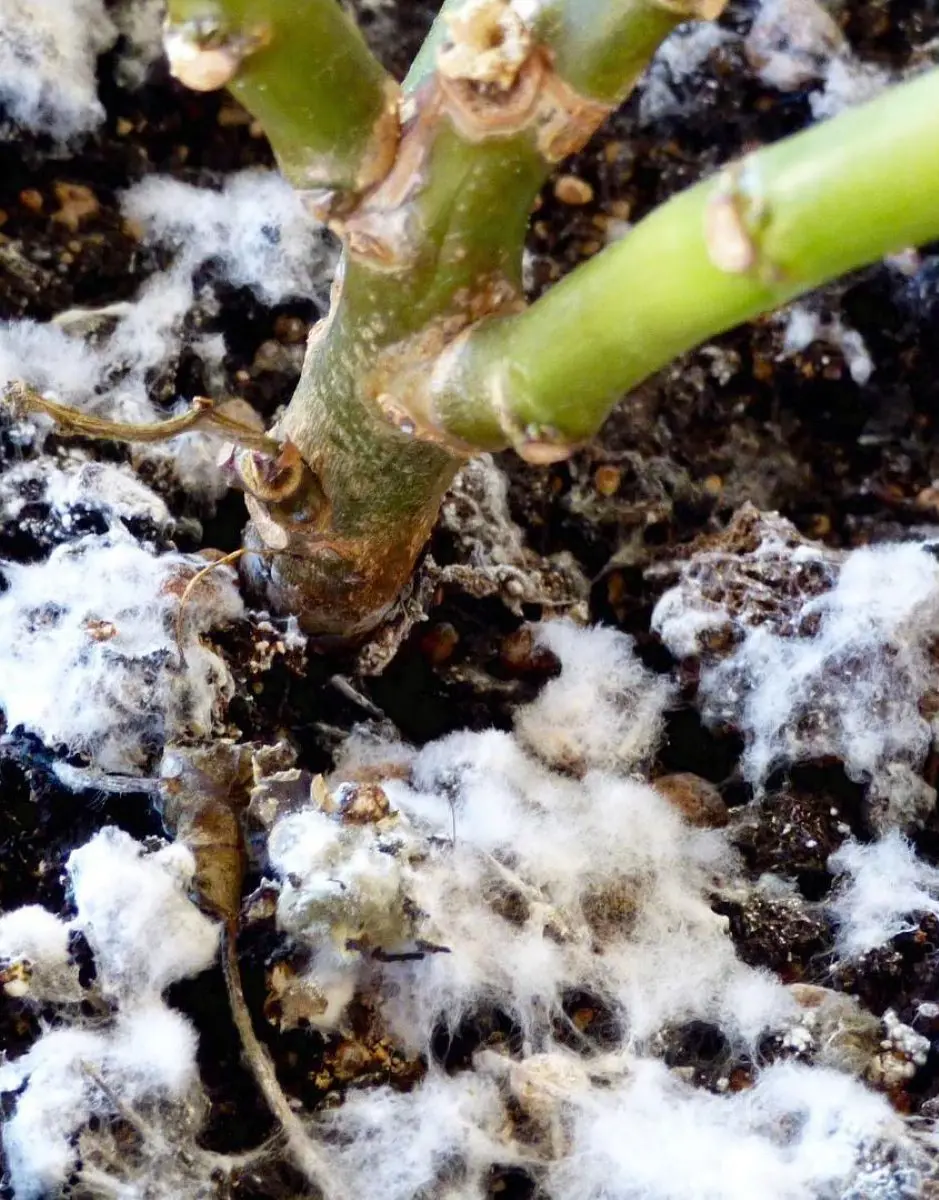
Houseplants bring so much joy until you run into frustrating issues like moldy soil. Moldy soil, although not always harmful, is a turn-off when it starts affecting your plant’s health. That being said, moldy soil can be easily taken care of.
It is a harmless issue that you can manage without complications. You just have to act fast to not end up with plant devastation. In this guide, you will learn techniques on how you can eliminate mold from the houseplant’s soil so that your plant remains healthy.
How to Get Rid of Moldy Soil
You do not have to throw away your plant soil if it has mold. You can reuse it with these simple steps.
1. Scrape Out The Mold
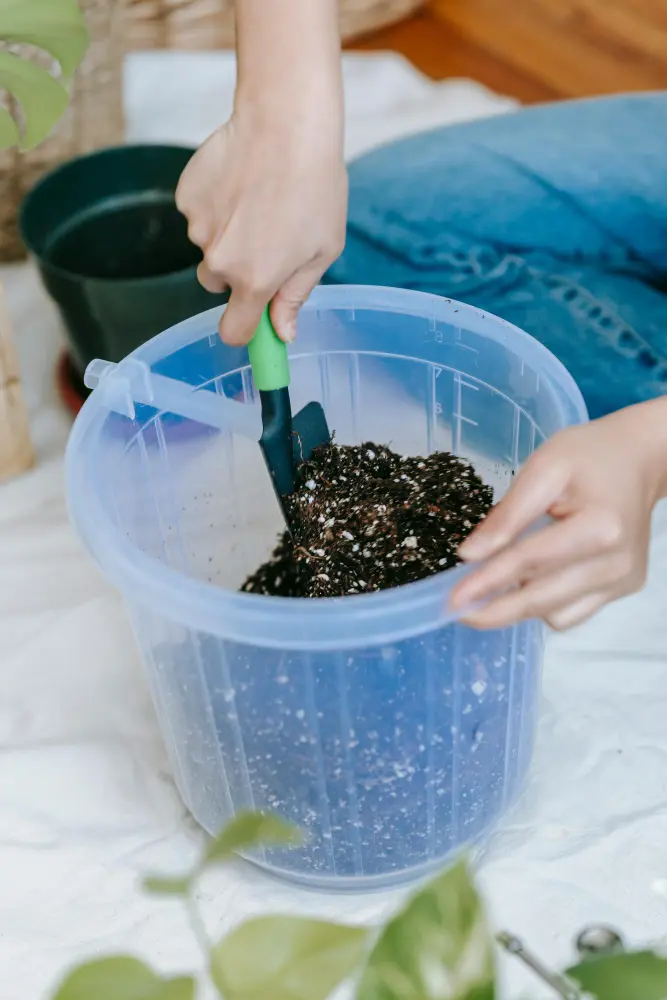
You do not have to throw away moldy soil. Mold usually occurs on the soil surface and is easy to remove. If the mold is on a small portion of the soil, scrape off the contaminated parts using a trowel or knife.
Then, top up your plant pot with a fresh layer of potting mix once the soil is dry. Also, wipe plant parts like the base of the stem if there is mold on it.
This method is ideal for short-term and less severe mold issues. If you notice mold growing back, you may need a more aggressive method.
2. Use a Fungicide
This method is ideal when you have large plants that are difficult to repot. So, instead of repotting, you sprinkle commercial fungicide on the plant-soil for added protection.
The fungicide helps keep mold spores at bay and prevents them from making a comeback. You can buy these fungicides at most garden centers, greenhouses, and even online!
A word of caution- test the fungicide before use because some fungicides are extremely toxic for certain plants.
3. Use Natural Antifungals
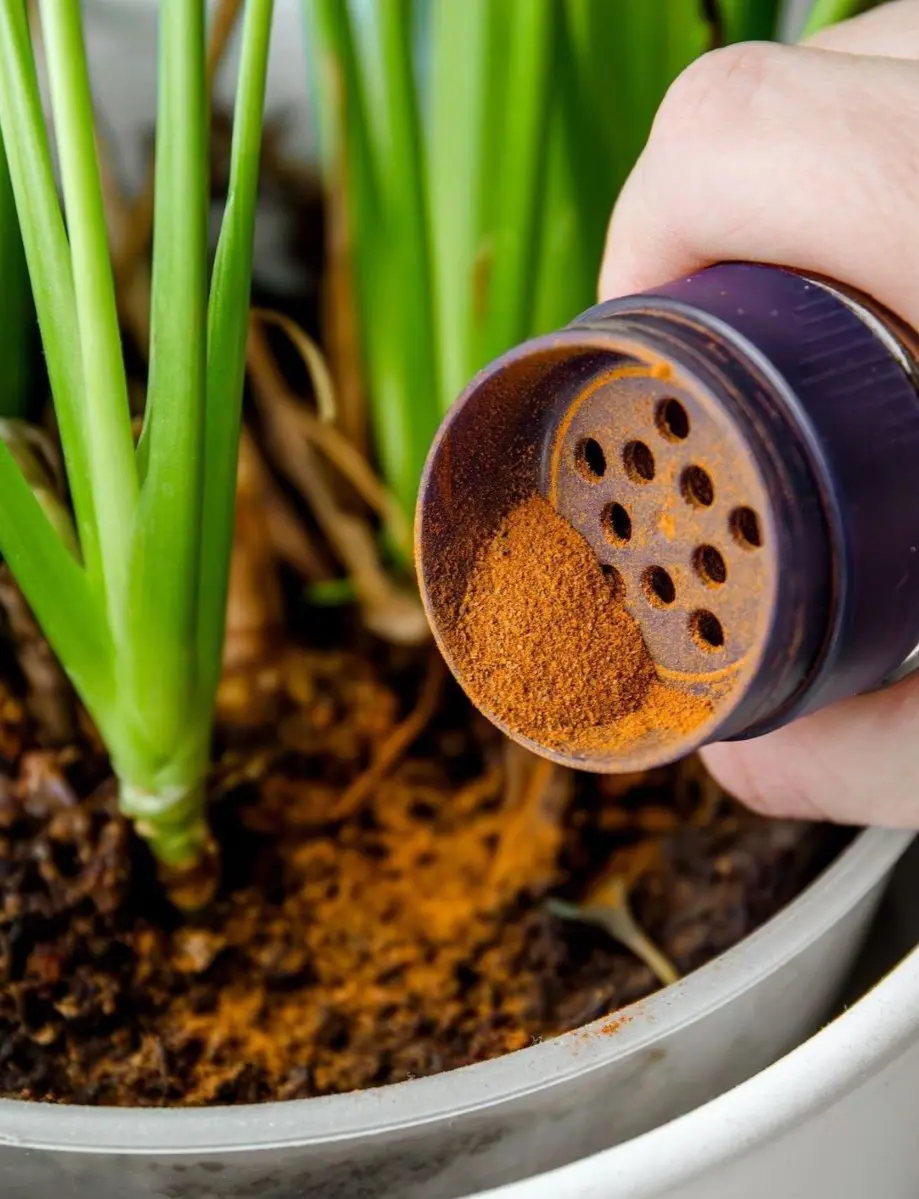
If you want to be more involved in maintaining your plant health, consider making a fungicide with ingredients in your kitchen.
A good place to start is lightly dusting cinnamon on the plant’s soil once a week until mold growth stops or mixing a tablespoon of apple cider vinegar with a gallon of water and applying the solution to the soil weekly until the mold is gone.
You can mix a tablespoon of baking soda with a gallon of water and a teaspoon of insecticidal soap for an antifungal spray. Then, apply to the plant soil and leaves as needed. This solution also works when you want to get rid of common plant pests.
4. Repot the Plant
If mold remains an issue, you might need to repot a plant to a new, clean pot containing sterile potting soil. Prick the plant out from the container, remove the old soil from around the roots, and check the condition of the roots and callus.
Use a diluted bleach solution to clean the pot and remove the remaining mold. Select a disease-free and perlite-added potting mix and repot your houseplant with good drainage to avoid recurrent mold formation.
How To Prevent Moldy Soil
Once you remove the mold from the soil, you should know how to prevent it.
Remove Dead Plant Parts
Dead plant parts could be the cause of mold on your plant. When old flowers, leaves, and overripe fruit are left on the plant, they decompose and encourage mold growth. This type of mold is grey and fuzzy.
Maintaining proper sanitation is one of the best ways to reduce such mold. Discard faded flower blossoms and dying leaves and buds promptly.
Amend the Soil
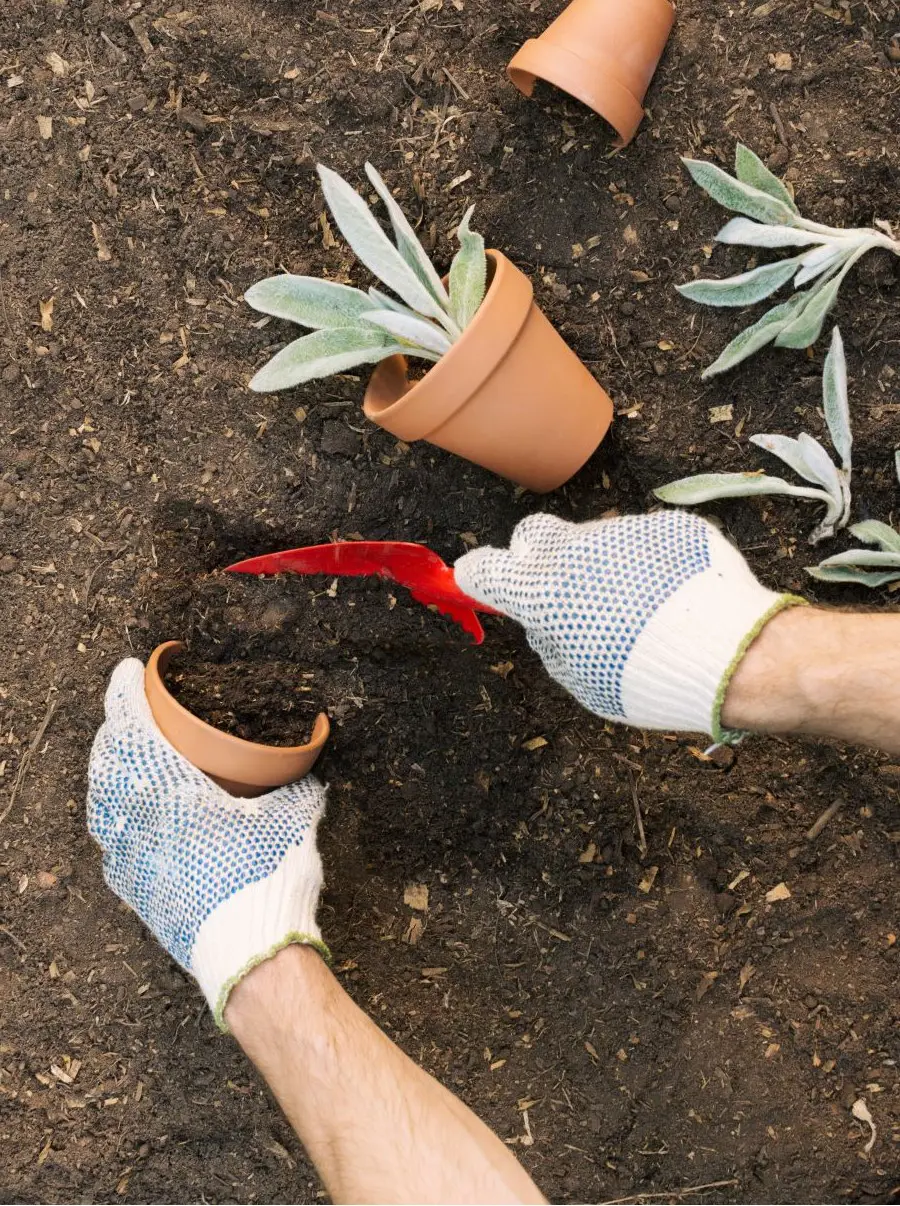
Good soil drainage plays a key role in preventing mold since it thrives in damp areas. So, if there is mold, you need to amend your plant soil.
For that, add shredded bark or peat moss to your potting mix. Use pots with holes at the bottom to allow excess water to escape so that the plant’s roots can breathe. And remember to empty saucers and let plants dry in between waterings.
Improve Air Circulation
One of the ways to prevent mold is to ensure sufficient air space around your houseplants. Ensure that plants are placed in well-circulated areas, or use a fan to facilitate circulation. Circulation ensures that there is limited humidity around the soil therefore preventing the growth of mold.
Do not overcrowd your plants, because this will cause the formation of moisture on the leaves. It may also be useful to swap out the plants on a schedule so all sides of them are exposed to air circulation, decreasing the chances of mold growing in the soil.
Expose Soil to Sunlight
Simple things such as access to sunlight can be effective at preventing mold growth. It is recommended to place the plants in direct sunlight for several hours every day to remove mold spores and avoid their re-growth.
The sun is a natural fungicide because its ultraviolet light kills molds or prevents them from growing. However, ensure that you do not put the sensitive plants under direct sun as this may lead to scorched leaves. Observe the plant's reaction and reposition accordingly.
Avoid Overwatering
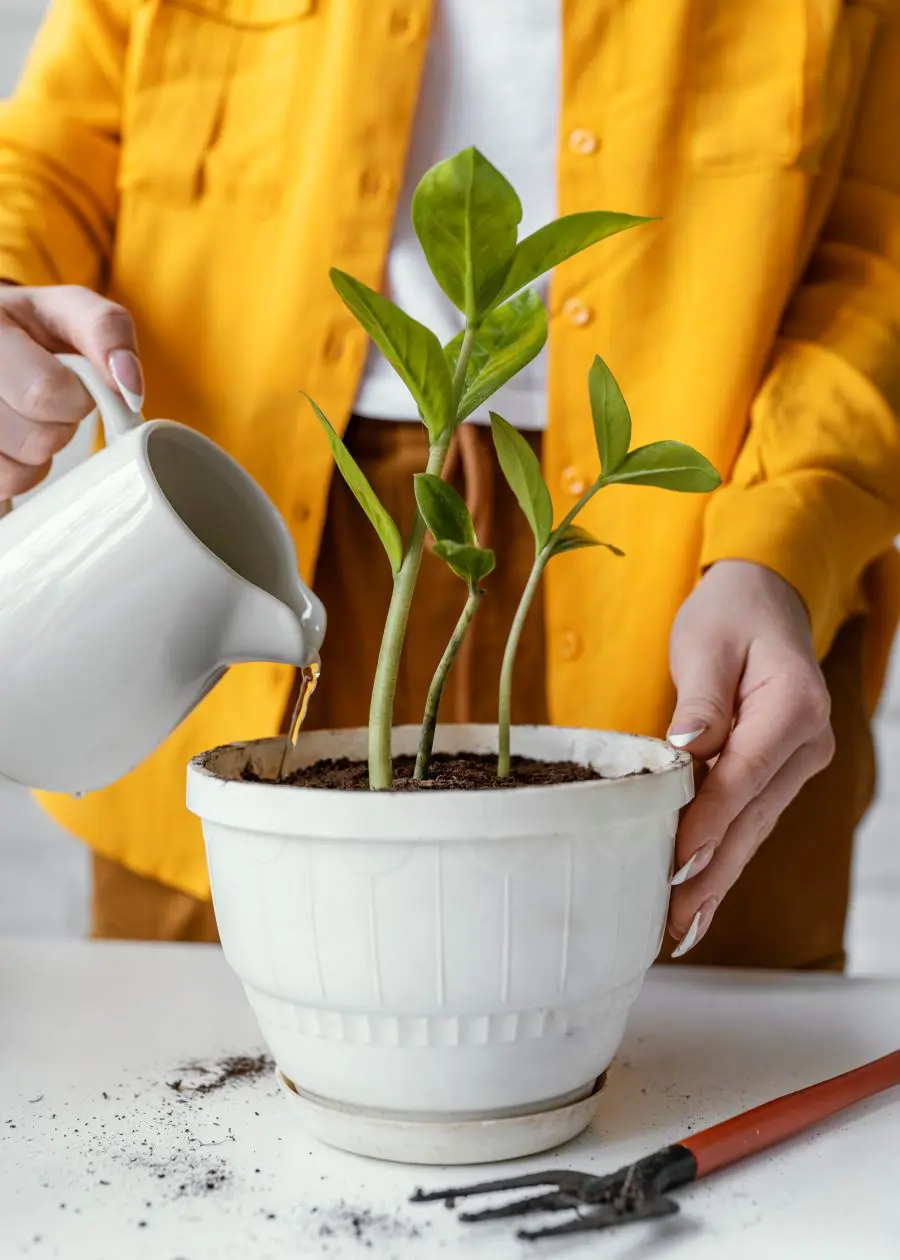
Water your plants only when they need it. This means water should be given when the top inch of soil is dry. It is difficult for mold to grow when the plant is dry. Whenever you are watering your plant, aim for the soil and avoid getting water on the leaves.
Failure to do so could lead to powdery mildew and you will have to spend time treating powdery mildew instead of enjoying your plants.
Add Activated Charcoal
You should add activated charcoal to your soil mixture since it assists in fighting mold by retaining high levels of moisture and contaminants. Add a small portion of the activated charcoal into the soil as it will facilitate aeration and water infiltration.
It also reduces the chance of mold formation and fosters healthier root systems in the plants. Mold smells can also be alleviated by activated charcoal. Occasionally, check the condition of the soil and its ability to trap odors, if necessary replace the charcoal.
Try Hydrogen Peroxide
One of the best ways to use hydrogen peroxide on plants is to eradicate mold on houseplant soil is. Use one volume of hydrogen peroxide (3%) and four volumes of water and pour it to the affected soil.
This solution provides oxygen that neutralizes mold spores and destructive bacteria without damaging the plant.
This treatment should be used sparingly since it can harm the roots if applied too frequently. It is also important to allow the soil to dry out after the treatment to avoid the regrowth of mold and for the roots to develop properly.
Causes of Molds In Houseplant Soil
If you are wondering how the mold occurred in the first place, there are a few reasons.
Excess Moisture
There are many causes of mold, but excess moisture takes first place. Mold and moisture go hand in hand.
Excess moisture on plants caused by overwatering is an ideal breeding ground for mold spores. These spores spread even faster during the cold season when the soil dries slower.
Poor Drainage
Sometimes, excess moisture on your plant could be caused by poor drainage and not overwatering. Poor drainage happens when there are no drainage holes at the bottom or low soil quality.
Additionally, standing water on the plant saucer further spurs the development of spores.
Low Light Conditions
Another factor that affects mold growth is the amount of light that reaches the plant.
These are perfect conditions for mold to grow, which means that low-light areas tend to have mold problems.
High Humidity
High humidity levels can worsen mold issues. High humidity is prevalent in closed spaces or areas with poor ventilation.
This is especially so where the surrounding environment experiences high humidity but little airflow.
Inadequate Soil Aeration
Mold growth is facilitated by poorly aerated soils, which can be caused by the application of too much organic matter or compacted soil.
Such soils can hold moisture for a longer time and do not provide the necessary aeration to prevent the growth of mold spores. It is better to know how and when to aerate your lawn, and pots to prevent mold in plants.
Damages Caused By Molds In Houseplant Soil
Depending on the type of mold and severity, mold can be harmful or beneficial to your houseplants. When it is harmful, the effects are severe such as:
Root Rot
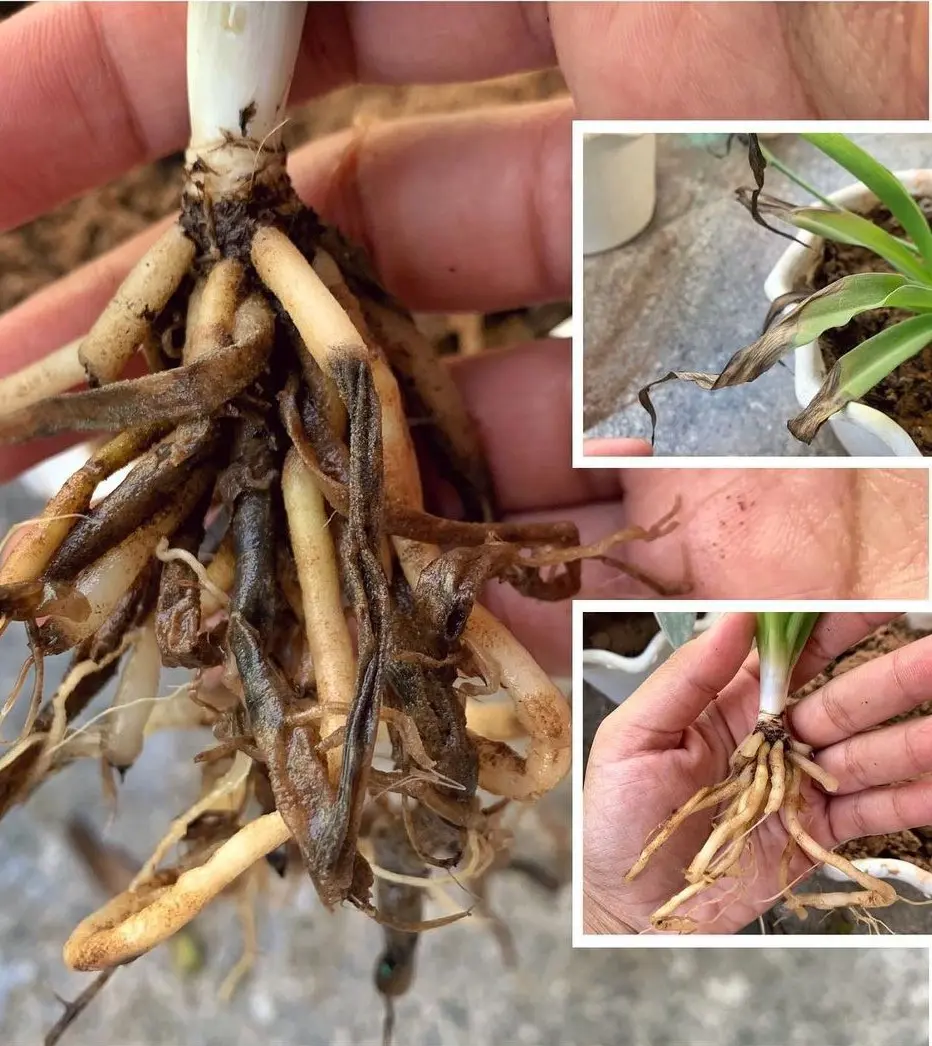
If you notice the roots of your plants are rotten, it might probably be a little too late to salvage your plant. Root rot starts slow, and since it is hidden below the surface, it is hard to tell.
And one of the many causes of root rot is mold. Mold is dormant in soil but is activated with water. And when you water your plant constantly, the mold flourishes and attacks the root.
Weakening Plant Health
Mold growth tends to compromise the health of a plant. When mold attacks the roots, the roots are unable to provide oxygen to the plant. This makes the growing environment less favorable, weakening the plant.
Your plant will appear less vibrant. It might not be upright and vibrant. Instead, it might have dry, wilted leaves with dark spots and lesions around different plant parts.
Stunted Growth
Weak plants are unable to grow properly, resulting in stunted growth. This means the new leaves might be smaller, and the stems and branches might be thin and spindly.
There could be fewer leaves, and the plant might be flowerless or fruitless. When this happens, your plant might stick out like a sore thumb in your home instead of beautifying it.
Vulnerability to Pests and Diseases
Plants affected by mold are also vulnerable to diseases and pests like mealy bugs and ants. These pests and diseases will consume the plant until there is nothing left.
Pests like mealybugs and ants in plants cause immense damage. You can get rid of them but they might reappear if you fail to recognize the root cause of these pest problems in the first place.
Plant Death
The last and final stage of the damage caused by mold would be plant death. At this stage, plants are unsavable, and it is better to throw them away than risk affecting other plants nearby.
Avoid such outcomes and protect the plant from deterioration with proper and timely interventions.


What Do Praying Mantis Eat And Drink?
What Do Crickets Eat In Nature and Wild?
What Do Snails Eat In Your Home And Garden
Potato Blight: Causes, And How To Get Rid Of

Why Is My Hydrangea Not Blooming? 7 Reasons and Fixes To Know
Fertilizer Burn: What Does It Look Like And How To Fix?