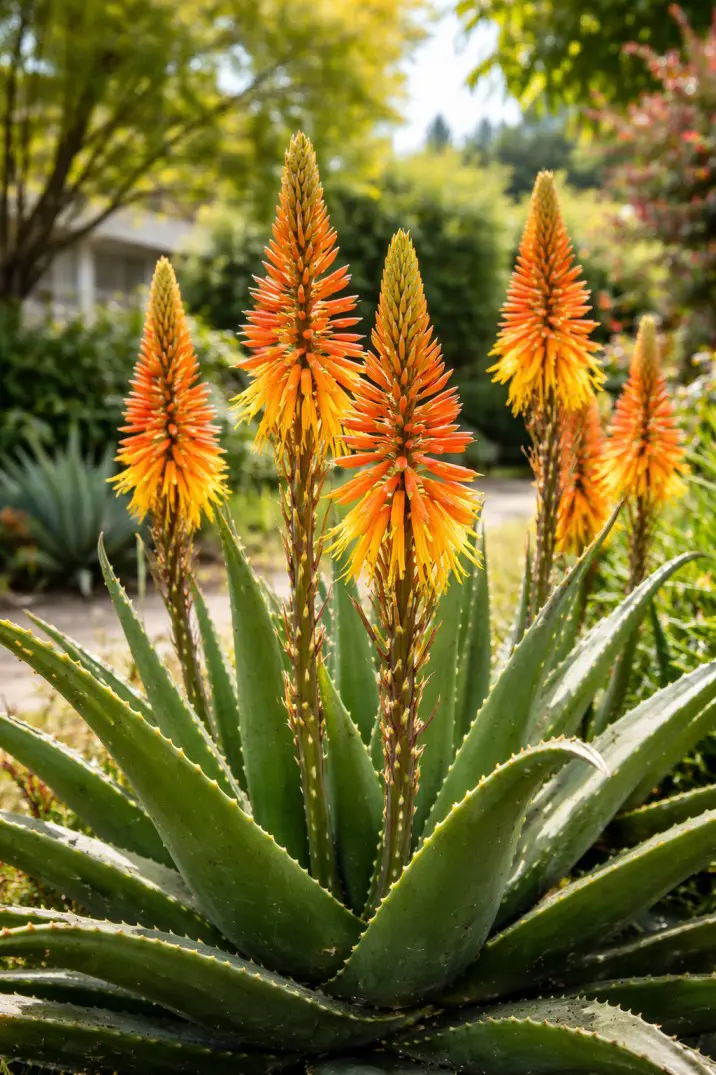
What Animals Eat Snakes? Top Snake Predators in the Wild

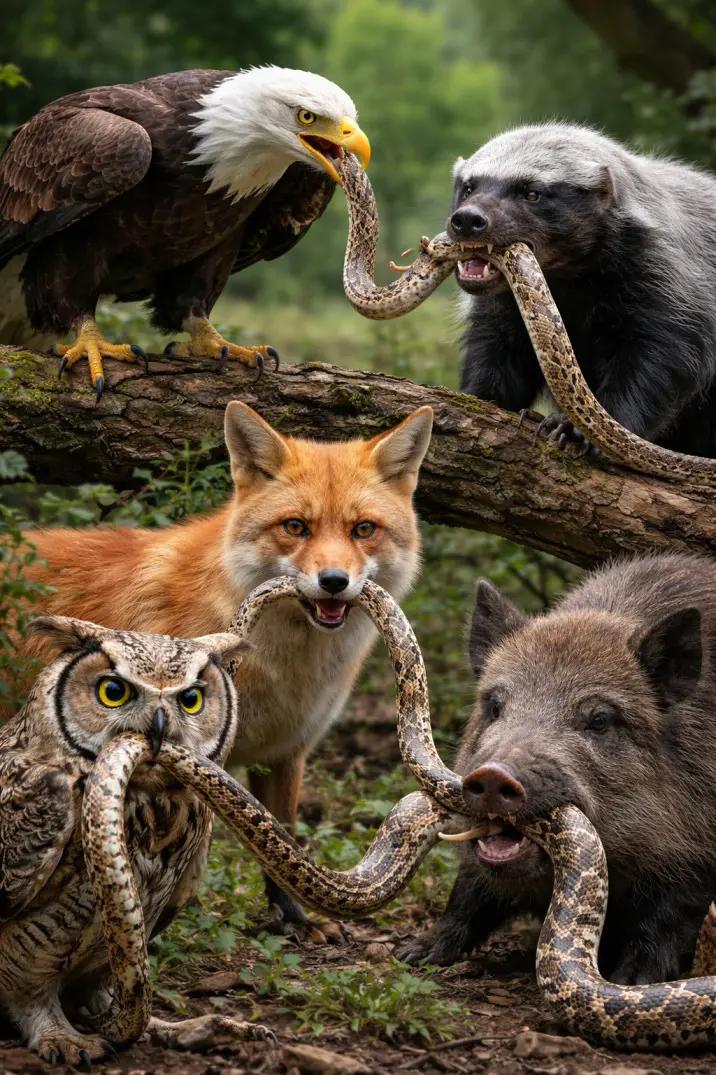
Snakes are skilled hunters, but they are not always at the top of the food chain. In many ecosystems around the world, snakes are both predator and prey.
From powerful birds soaring overhead to stealthy mammals on the ground, many animals rely on snakes as part of their diet. Understanding what animals eat snakes helps reveal the balance of nature and how food chains work across forests, deserts, wetlands, and grasslands.
Let’s explore the most common and fascinating snake predators found in the wild.
Birds of Prey: Masters of the Sky
One of the biggest threats to snakes comes from above. Birds of prey are highly skilled hunters with sharp talons, strong beaks, and exceptional eyesight.
Eagles and Hawks
Large raptors such as the Golden Eagle and Red-tailed Hawk frequently hunt snakes. They can spot movement from high in the sky and swoop down quickly to grab a snake with powerful talons. Their thick leg scales protect them from bites, even from venomous species.
Snake Eagles
In Africa and parts of Asia, snake eagles specialize in hunting reptiles. The Short-toed Snake Eagle feeds mainly on snakes and has evolved strong feet and sharp vision to safely capture them.
Owls
Nocturnal hunters like the Great Horned Owl also prey on snakes, especially at night when some snake species are active. Their silent flight gives them a major advantage.
Mammals That Eat Snakes
Several mammals are brave enough to hunt snakes - even venomous ones.
Mongooses
Perhaps the most famous snake hunters are mongooses. The Indian Gray Mongoose is well known for its ability to fight and kill venomous snakes like cobras. Mongooses are quick, agile, and partially resistant to certain snake venoms, making them formidable opponents.
Honey Badgers
The Honey Badger is another fearless predator. Known for its thick skin and aggressive nature, it can survive venomous bites and continues hunting snakes despite the risk.
Foxes and Coyotes
Wild canines such as the Red Fox and Coyote may eat snakes when available. While snakes are not their primary food source, they are opportunistic feeders.
Wild Boars
The Wild Boar sometimes consumes snakes found while rooting in soil or vegetation. Their tough snouts and thick skin help protect them.
Reptiles That Eat Other Snakes
Surprisingly, some of the most dangerous snake predators are other snakes.
King Snakes
The Eastern Kingsnake is famous for eating other snakes, including venomous ones like rattlesnakes. It is immune to certain venoms and uses constriction to overpower its prey.
King Cobras
The King Cobra primarily feeds on other snakes. In fact, its scientific name “Ophiophagus” literally means “snake eater.” It hunts both venomous and non-venomous species.
Large Constrictors
Big snakes such as the Burmese Python may also eat smaller snakes when the opportunity arises.
Amphibians and Fish
Though less common, some aquatic predators feed on smaller or young snakes.
Large Fish
Predatory fish like the Largemouth Bass may consume small water snakes or young snakes that enter ponds and lakes.
Frogs
Large frogs, including the American Bullfrog, are opportunistic feeders and may eat small snakes if they can overpower them.
Other Unexpected Snake Predators
Nature often surprises us. Some animals you might not expect also prey on snakes.
Roadrunners
The Greater Roadrunner is known for attacking and killing small snakes in desert regions. It uses speed and repeated strikes to subdue its prey.
Domestic Cats
Feral and outdoor domestic cats may hunt small snakes. Although not specialists, they can be effective predators in certain environments.
How Do These Animals Avoid Snake Bites?
Eating snakes is risky, especially when venom is involved. Predators use several strategies:
-
Speed and agility: Animals like mongooses rely on quick movements to avoid strikes.
-
Thick skin or scales: Honey badgers and birds of prey have physical protection.
-
Venom resistance: Some species have partial immunity to certain snake toxins.
-
Strategic attacks: Raptors often target the head to prevent bites.
These adaptations allow predators to safely add snakes to their diet.
Why Snakes Are Important in the Food Chain
Snakes play a crucial role in maintaining ecological balance. They control populations of rodents, insects, and other small animals. At the same time, predators that eat snakes help regulate snake populations.
This balance prevents overpopulation and supports healthy ecosystems. When one part of the food chain is disrupted, it can affect many other species.
Do Snakes Eat Each Other?
Yes, some snakes practice cannibalism. King cobras and king snakes are prime examples of species that actively hunt other snakes. This behavior helps reduce competition for food and territory.
Final Thoughts
So, what animals eat snakes? The answer includes a wide range of predators - birds of prey, mammals, reptiles, fish, and even amphibians. From the soaring Golden Eagle to the fearless Honey Badger, nature has equipped many creatures with the skills needed to hunt these slithering reptiles.
Snakes may be stealthy and dangerous, but they are also an essential link in the natural food web. Understanding their predators gives us a deeper appreciation of how ecosystems stay balanced and interconnected.

What Do Monkeys Eat? Diet Types & Feeding Habits
What Do Moose Eat? Diet and Feeding Habits
What Do Zebras Eat? Diet and Feeding Habits

What Do Zooplankton Eat? A Comprehensive Guide to Their Diet
What Do Squirrels Eat In Your Home And Yard
What Do Mice Eat In Your Home And Wild