What Do Zooplankton Eat? A Comprehensive Guide to Their Diet

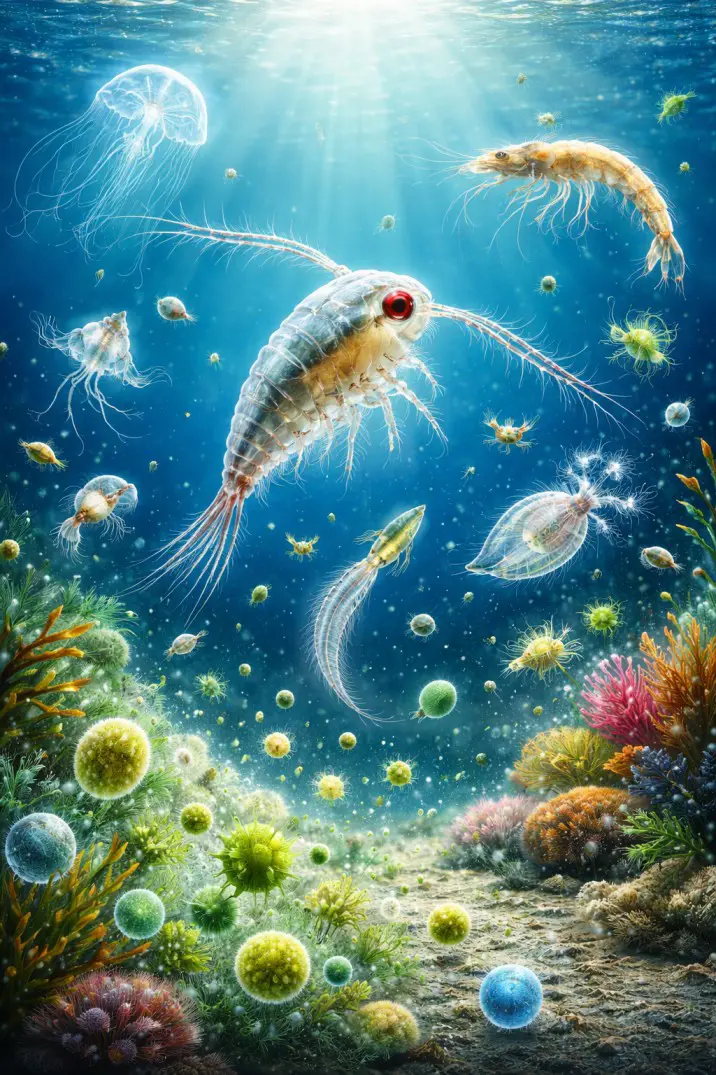
Zooplankton may be microscopic, but their impact on aquatic ecosystems is enormous. Floating in oceans, lakes, and rivers, these tiny creatures form a crucial link in the food chain.
But what fuels these small yet essential organisms? Understanding what zooplankton eat provides insight into nutrient cycling, predator-prey relationships, and overall ecosystem health.
Before exploring their diet, it’s important to understand what zooplankton are. Zooplankton are heterotrophic organisms, meaning they cannot produce their own food like plants. They drift in water bodies, often carried by currents, and range in size from microscopic single-celled organisms to larger species visible to the naked eye.
Types of zooplankton include:
-
Holoplankton – spend their entire life as plankton (e.g., copepods, krill).
-
Meroplankton – spend only a part of their life as plankton, often as larvae (e.g., crab larvae, fish larvae).
The Primary Diet: Phytoplankton
The most common food for zooplankton is phytoplankton, microscopic photosynthetic organisms. Phytoplankton are rich in nutrients like lipids, proteins, and carbohydrates, making them ideal for zooplankton growth.
Key points:
-
Phytoplankton includes diatoms, dinoflagellates, and green algae.
-
Zooplankton filter water using specialized appendages to capture these tiny plants.
-
Their consumption regulates phytoplankton populations, preventing blooms that can disrupt aquatic ecosystems.
Beyond Plants: Microorganisms and Protists
Some zooplankton are omnivorous and also feed on bacteria, protozoa, and other smaller microorganisms. This behavior allows them to survive when phytoplankton is scarce.
Highlights:
-
Protozoa are a significant food source in freshwater habitats.
-
Bacteria, though tiny, provide essential nutrients.
-
Mixotrophic zooplankton can switch between herbivory and carnivory depending on availability.
Detritus and Organic Matter
Another important component of a zooplankton diet is detritus, or decomposing organic matter. These include dead plant material, fecal pellets, and other tiny organic particles suspended in water.
Why detritus is important:
-
Provides energy in nutrient-poor environments.
-
Supports detritivorous species like certain rotifers and cladocerans.
-
Plays a role in the recycling of nutrients, contributing to the aquatic food web.
Carnivorous Zooplankton: Eating Each Other
While most zooplankton feed on plants or detritus, some are carnivorous, preying on smaller zooplankton. This includes species such as:
-
Predatory copepods – feed on smaller zooplankton and larvae.
-
Chaetognaths (arrow worms) – agile predators that consume tiny crustaceans and other plankton.
Significance of carnivory:
-
Controls populations of smaller zooplankton.
-
Adds complexity to the aquatic food web.
-
Allows survival during periods of low phytoplankton abundance.
Feeding Mechanisms: How Zooplankton Eat
Zooplankton have evolved diverse feeding strategies depending on their type and diet:
-
Filter Feeding: Uses appendages or cilia to sweep water and capture particles. Common in copepods and krill.
-
Raptorial Feeding: Actively hunts and grabs prey, typical of predatory zooplankton.
-
Suspension Feeding: Extracts food from water as it passes through feeding structures, seen in rotifers and some larval forms.
Each method ensures zooplankton efficiently harvests food to meet their energy needs.
Role of Zooplankton Diet in Ecosystems
Zooplankton are critical intermediaries in aquatic food webs:
-
Transfer energy from primary producers (phytoplankton) to larger predators like fish, whales, and seabirds.
-
Help maintain water quality by consuming excess phytoplankton.
-
Influence nutrient cycling through waste and decomposition.
In essence, understanding what zooplankton eat helps us predict changes in fisheries, algal blooms, and ecosystem stability.
Factors Affecting Zooplankton Diet
Several environmental and biological factors determine what zooplankton consume:
-
Seasonal changes – phytoplankton abundance fluctuates with sunlight and temperature.
-
Water quality – nutrient levels influence the type of food available.
-
Predation pressure – presence of larger predators can alter feeding behavior.
-
Species-specific preferences – some species are strictly herbivorous, others omnivorous or carnivorous.
Conclusion
Despite their small size, zooplankton are keystone players in aquatic ecosystems. Their diet, ranging from phytoplankton to detritus and even smaller zooplankton, ensures the smooth transfer of energy across the food web.
By understanding what zooplankton eat, scientists and conservationists can better protect aquatic habitats and predict changes in marine and freshwater ecosystems.

What Do Monkeys Eat? Diet Types & Feeding Habits
What Do Moose Eat? Diet and Feeding Habits
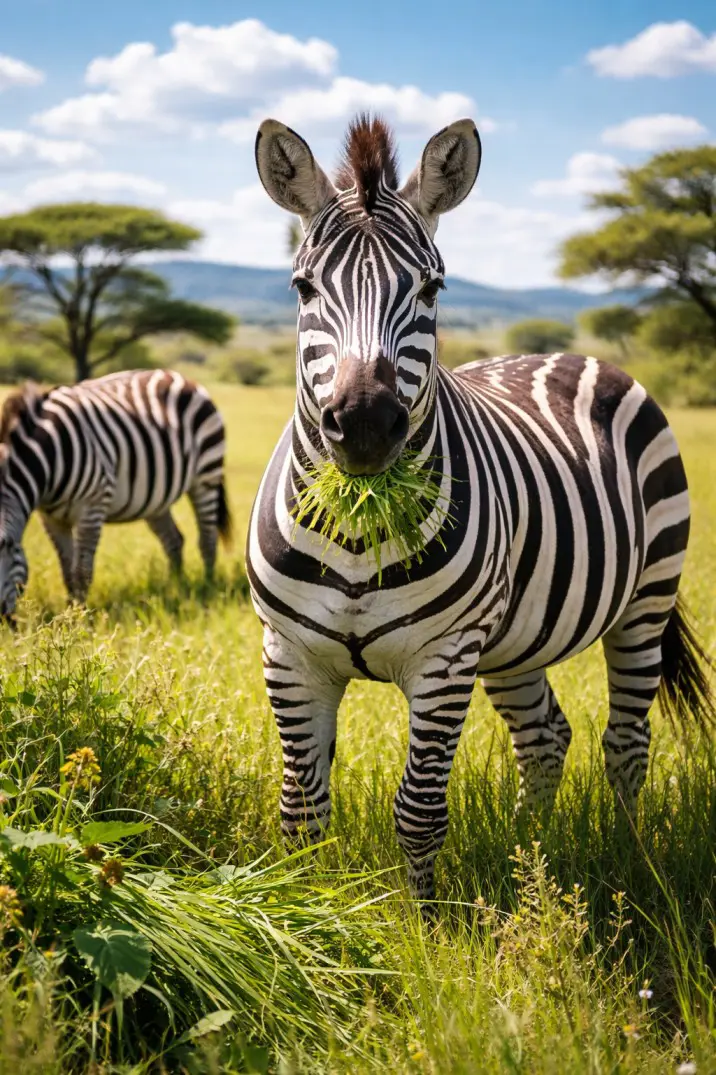
What Do Zebras Eat? Diet and Feeding Habits

What Animals Eat Snakes? Top Snake Predators in the Wild

What Do Squirrels Eat In Your Home And Yard
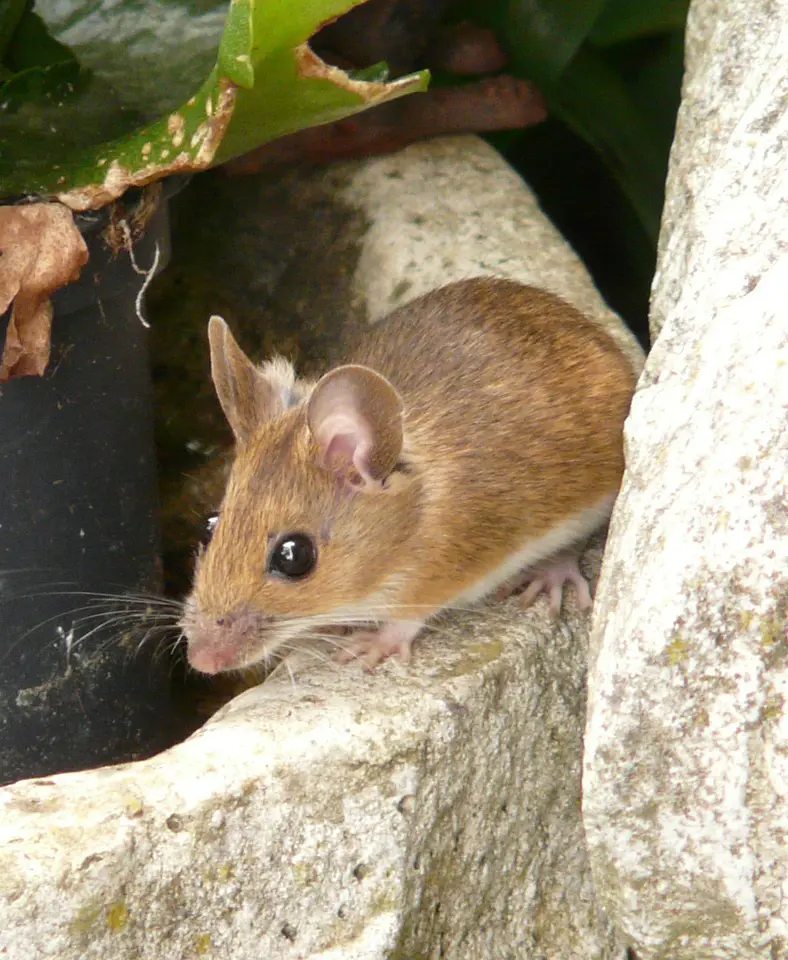
What Do Mice Eat In Your Home And Wild