What Do Zebras Eat? Diet and Feeding Habits

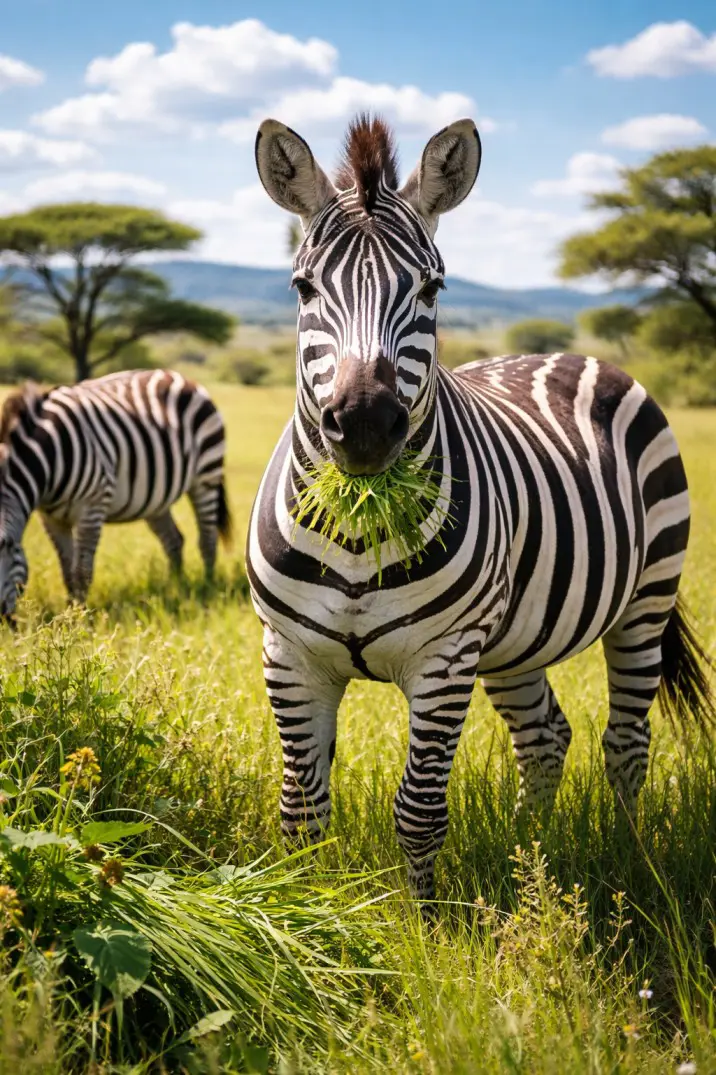
Zebras are among the most iconic herbivores in the African savannah, known for their striking black-and-white stripes. But what exactly do zebras eat? Their diet is crucial not just for survival but also for the balance of the ecosystems they inhabit.
Understanding what zebras eat can help wildlife enthusiasts, zoo caretakers, and conservationists better protect and manage these magnificent animals.
Zebras are primarily herbivores, meaning they survive on plants. However, their feeding habits and preferences are highly adapted to the diverse environments of Africa, from grassy plains to arid regions.
Zebra Diet in the Wild
1. Grass: The Main Component
Grass makes up the majority of a zebra's diet. Zebras are grazers, which means they primarily feed on grasses rather than shrubs or trees. They prefer short, young grasses that are high in nutrients, which makes up about 60-70% of their daily intake.
Some of the grasses zebras commonly eat include:
-
Bermuda grass
-
Red oat grass
-
Spear grass
-
Kikuyu grass
These grasses provide essential fiber, carbohydrates, and minerals that zebras need for energy. Interestingly, zebras often feed alongside wildebeests, allowing them to access different layers of vegetation.
2. Leaves and Shoots: A Secondary Choice
While grass is their primary food source, zebras also consume leaves, stems, and shoots, especially during dry seasons when grass is scarce. They often browse on shrubs and low-hanging branches of acacia and other trees to supplement their diet. This flexibility in feeding helps zebras survive in environments with seasonal changes.
3. Bark and Twigs: Emergency Food
In extreme conditions, such as during droughts, zebras may eat tree bark, twigs, and other woody vegetation. This behavior provides them with nutrients they cannot obtain from grasses alone. However, eating bark is usually a last-resort strategy, as it is harder to digest and provides less energy.
Zebra Feeding Behavior
Zebras are non-ruminant herbivores, meaning they do not have a multi-chambered stomach like cows. Instead, they have a single-chambered stomach, so they rely on eating large quantities of fibrous food and fermenting it in their hindgut to extract nutrients.
Some interesting behaviors related to feeding include:
-
Grazing in groups: Zebras often feed in herds, which provides safety from predators while eating.
-
Feeding during the day and night: While zebras are primarily diurnal, they may graze at night in areas with low predator risk.
-
Following rainfall patterns: They move to areas with fresh grass after rains to maximize nutrient intake.
Zebra Diet in Captivity
In zoos or wildlife reserves, zebrа diets are carefully managed to mimic their natural intake. Captive zebras are often fed:
-
Hay and fresh grasses
-
Leafy vegetables like lettuce and cabbage
-
Fruits in moderation such as apples and carrots
Zebras in captivity may also receive mineral and vitamin supplements to ensure optimal health, as their natural grazing environment is not always replicated perfectly.
Nutritional Needs of Zebras
Zebras require a diet rich in fiber to maintain proper digestion. Their nutrition includes:
-
Carbohydrates from grasses and leafy vegetation for energy
-
Fiber for digestive health
-
Minerals like calcium and phosphorus for bone development
-
Occasional sugars from fruits for additional energy
Zebras are also water-dependent animals. On average, a zebra drinks 10-15 liters of water per day, though they can survive longer periods without water by consuming water-rich grasses.
What Zebras Avoid Eating
Despite being herbivores, zebras are selective about what they eat. They generally avoid:
-
Toxic plants such as certain wild beans or nightshades
-
Tough, fibrous plants that are hard to digest
-
Overly mature or dry grass with low nutrient content
This selectivity ensures that they maximize nutrient intake while minimizing digestive stress.
Fun Facts About Zebra Eating Habits
-
Zebras can eat up to 30 kg (66 lbs) of grass per day.
-
They often graze alongside other herbivores like antelopes and wildebeests to exploit different grass heights.
-
A zebra’s teeth are constantly growing to counteract the wear caused by grazing on fibrous grass.
-
Despite their bulk, zebras can cover large distances daily to find fresh grazing areas.
Conclusion
Zebras thrive as adaptable herbivores, relying on a combination of grasses, leaves, shoots, and occasionally bark to survive. Their diet, feeding habits, and grazing strategies are finely tuned to the African landscapes they inhabit. Whether in the wild or captivity, understanding what zebras eat is key to ensuring their health, conservation, and the preservation of the ecosystems they enrich.
By observing zebra feeding habits, researchers can also gain insight into broader ecological dynamics, helping protect both the animals and the habitats they call home.


What Do Monkeys Eat? Diet Types & Feeding Habits
What Do Moose Eat? Diet and Feeding Habits
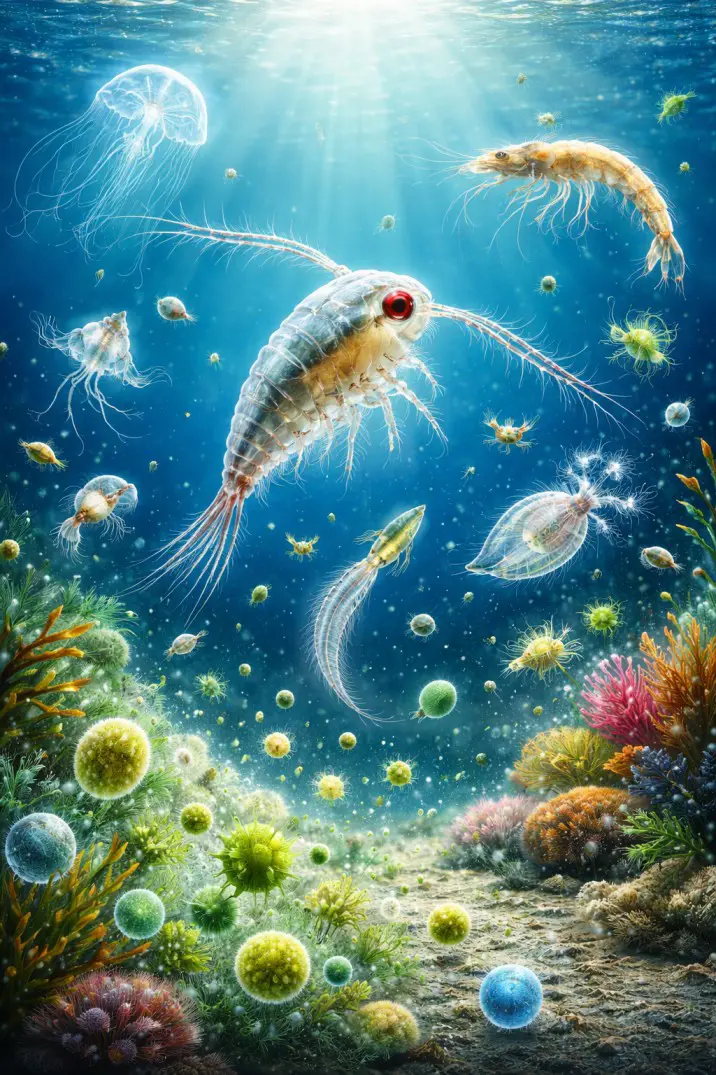
What Do Zooplankton Eat? A Comprehensive Guide to Their Diet
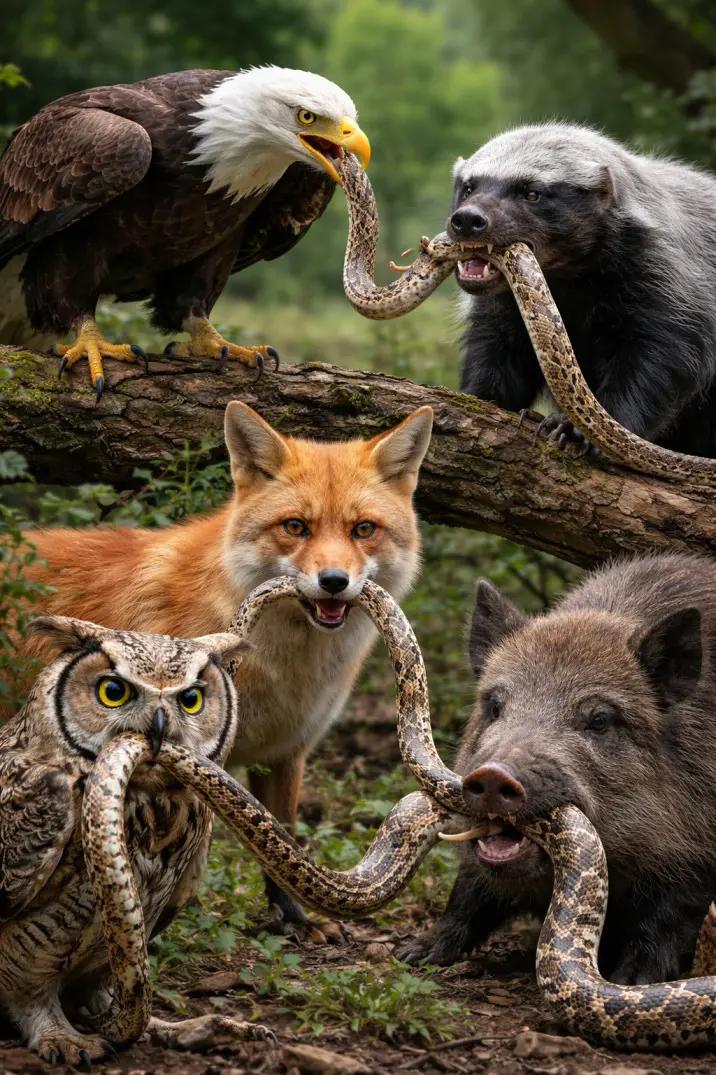
What Animals Eat Snakes? Top Snake Predators in the Wild
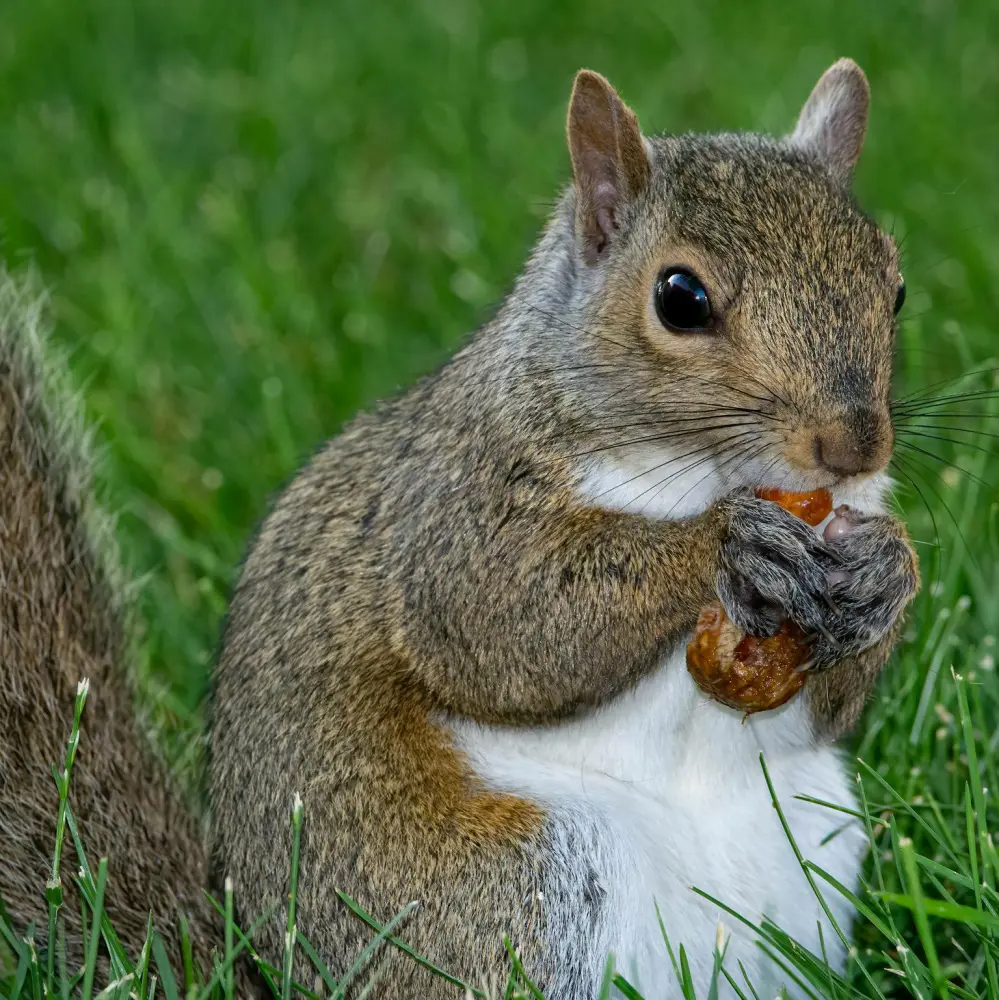
What Do Squirrels Eat In Your Home And Yard
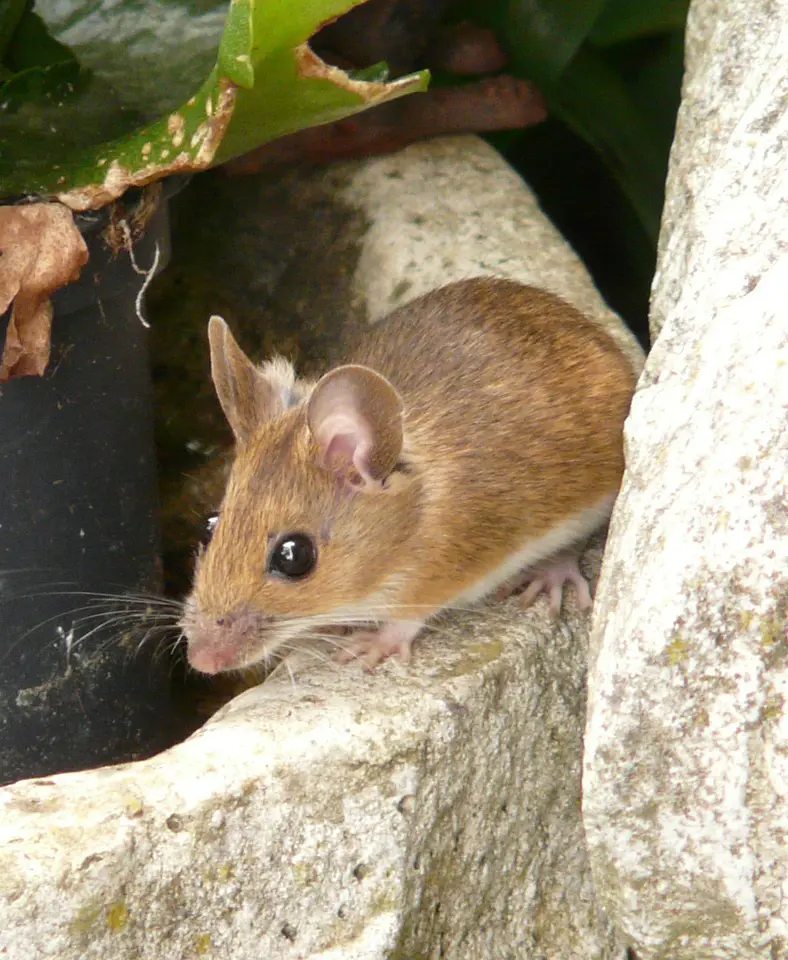
What Do Mice Eat In Your Home And Wild